Forensic & Criminological Matrix
| Parameter | Forensic Detail |
|---|---|
| Forensic Heading / Aliases | Daryl Renard Atkins |
| Legal Identity | Daryl Renard Atkins |
| Confirmed Victims | 1 (Eric Nesbitt) |
| Active Timeline | August 16, 1996 |
| Jurisdiction / Area of Operations | Yorktown, Virginia, USA |
| Criminological Classification | Robbery-Homicide |
| Forensic Modus Operandi | Kidnapping, ATM coercion, and summary execution |
| Weapon / Mechanism of Death | Firearm (eight gunshot wounds) |
| Motive / Behavioral Dynamics | Financial gain / Antisocial personality disorder |
| Judicial Outcome | Life imprisonment |
1. Background and Profile
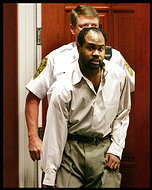
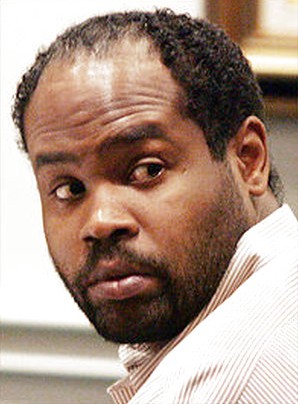
Daryl Renard Atkins was born in 1978. His intellectual capacity became the centerpiece of a landmark legal battle. Defense experts claimed mild mental retardation (IQ 59), while prosecution experts argued he possessed average intelligence, attributing his academic struggles to substance abuse.
2. Crime Spree
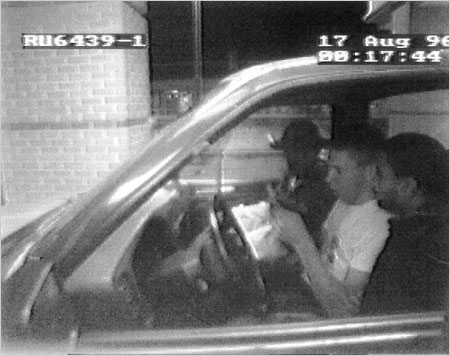
On August 16, 1996, Atkins and accomplice William Jones abducted 21-year-old Airman Eric Nesbitt from a convenience store. After forcing him to withdraw cash from an ATM, they drove him to a secluded area in Yorktown, where Atkins shot him eight times, resulting in death.
3. Investigation and Arrest
The investigation relied heavily on the testimony of William Jones. Forensic evidence linked Atkins to the crime scene, leading to his swift arrest.
4. Legal Proceedings and Outcome
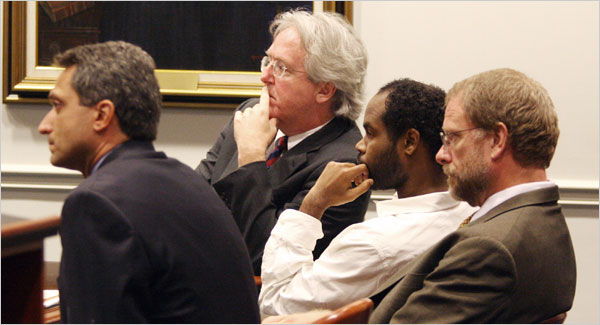
Atkins' case reached the U.S. Supreme Court in 2002. The ruling in Atkins v. Virginia declared the execution of the mentally disabled unconstitutional. However, a subsequent jury trial in 2005 found Atkins did not meet the criteria for mental retardation, keeping him eligible for the death penalty until his sentence was eventually commuted to life imprisonment.
5. Psychiatric Evaluation and Final Status
Despite the landmark ruling in his name, Atkins remains incarcerated. His case remains a pivotal reference in American jurisprudence regarding the intersection of capital punishment and cognitive impairment.