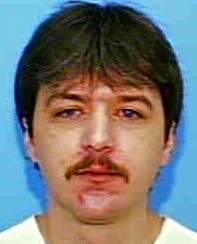





Forensic & Criminological Matrix
| Parameter | Forensic Detail |
|---|---|
| Forensic Heading / Aliases | N/A |
| Legal Identity | Herman Dale Ashworth |
| Confirmed Victims | 1 |
| Active Timeline | September 10, 1996 |
| Jurisdiction / Area of Operations | Newark, Ohio, USA |
| Criminological Classification | Murderer / Witness Elimination |
| Forensic Modus Operandi | Blunt force trauma and overkill |
| Weapon / Mechanism of Death | Fists, feet, and a 6-foot wooden board |
| Motive / Behavioral Dynamics | Robbery and fear of identification |
| Judicial Outcome | Executed by lethal injection on September 27, 2005 |
1. Background and Profile
Herman Dale Ashworth (born 1973) was an individual with a history of alcohol dependency and emotional instability. Adopted and raised in Louisiana, he eventually moved to Ohio. Prior to the 1996 homicide, his criminal record did not suggest the level of extreme violence he would eventually exhibit. Criminological analysis suggests a reactive-impulsive profile exacerbated by acute intoxication.
2. Crime Spree
On the night of September 10, 1996, Ashworth met Daniel Baker at a local bar in Newark. After drinking together, Ashworth lured Baker into an alleyway. The assault was characterized by extreme physical force. Ashworth initially beat Baker to steal $40 for more alcohol. After leaving Baker unconscious, Ashworth returned to the scene specifically to ensure the victim's death, fearing that Baker could identify him to the police. He used a large wooden board to inflict fatal injuries so severe that a deputy coroner likened them to a high-speed plane crash.
3. Investigation and Arrest
The investigation was swiftly resolved following Ashworth's own admissions. His girlfriend at the time, Tanna Brett, provided crucial testimony regarding his return to the alley to "finish the job." Ashworth was apprehended and provided a full confession to the Newark police, detailing both the robbery and the subsequent decision to eliminate the witness.
4. Legal Proceedings and Outcome
Ashworth's legal case is notable for his status as a "volunteer." In 1997, he pleaded guilty to aggravated murder and robbery. He waived his right to present mitigating evidence, effectively seeking the death penalty. Despite several competency evaluations by five different medical experts, he remained resolute in his desire to be executed. The Ohio Parole Board and Governor Bob Taft denied clemency in September 2005. He was executed at the Southern Ohio Correctional Facility, maintaining until the end that his death was a just requirement for his crimes.