



Forensic & Criminological Matrix
| Parameter | Forensic Detail |
|---|---|
| Forensic Heading / Aliases | Randy Arroyo Baez |
| Legal Identity | Randy Arroyo Baez |
| Confirmed Victims | 1 (Capt. Jose Cobo) |
| Active Timeline | March 11, 1997 |
| Jurisdiction / Area of Operations | San Antonio, Texas, USA |
| Criminological Classification | Felony Murder / Juvenile Co-perpetrator |
| Forensic Modus Operandi | Express vehicle carjacking targeting specific models (Mazda RX-7) for chop-shop parts dismantling |
| Weapon / Mechanism of Death | Firearms (used by accomplice) and seatbelt entanglement trauma |
| Motive / Behavioral Dynamics | Financial gain / Motor vehicle theft and illicit parts trafficking |
| Judicial Outcome | Life imprisonment following the abolition of the juvenile death penalty |
1. Background and Psychopathy
Randy Arroyo Baez was born around 1979 in the United States. As a juvenile offender at the time of the offense, his criminological background reflects urban gang involvement and property crimes escalating into lethal violence. Growing up in a marginalized environment, Arroyo engaged in opportunistic car thefts aimed at supplying illegal chop shops in Texas.
2. Crime Spree and Modus Operandi
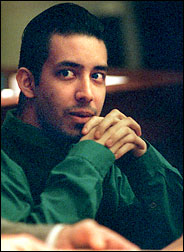
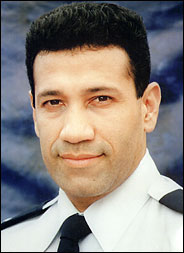
On March 11, 1997, Randy Arroyo and his accomplice, Vincent Gutierrez, targeted a specific vehicle: a Mazda RX-7 sports car. The victim was United States Air Force Captain Jose Cobo. The perpetrators abducted the officer in San Antonio with the intent of stealing his vehicle for parts.
During the kidnapping, Captain Cobo attempted to escape while the vehicle was in motion, becoming entangled in his seatbelt. In response to the escape attempt, Vincent Gutierrez shot the captain twice in the back and pushed his dying body onto the shoulder of Interstate 410 during morning rush hour.
3. Investigation and Forensic Pursuit
Law enforcement agencies in Texas swiftly launched an investigation. Recovered ballistic evidence, vehicle tracking, and witness accounts quickly led to the identification and apprehension of both Arroyo and Gutierrez.
4. Legal Proceedings and Outcome
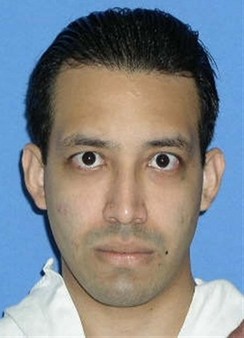
Arroyo was arrested and prosecuted. Because he was a juvenile when the crime was committed, he initially faced capital punishment under Texas law for felony murder. However, his sentence was altered when the U.S. Supreme Court declared the juvenile death penalty unconstitutional in March 2007.
Consequently, Arroyo's death sentence was commuted to life imprisonment. He later voiced deep frustration regarding his status as a permanent inmate without parole eligibility until decades later, sparking discussions among legal scholars regarding the psychological impact of life sentences without hope for juvenile offenders.
5. Psychiatric Assessment and Aftermath
Forensic evaluations characterized Arroyo as an individual institutionalized since adolescence, grappling with the psychological weight of a lifetime behind bars. His case remains a notable subject in criminological debates concerning juvenile culpability, felony murder laws, and the systemic realities of life-without-parole sentences in the United States prison system.