



Forensic & Criminological Matrix
| Parameter | Forensic Detail |
|---|---|
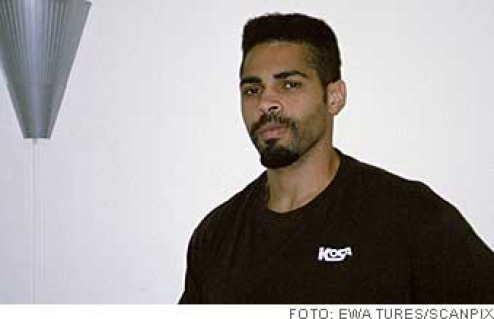
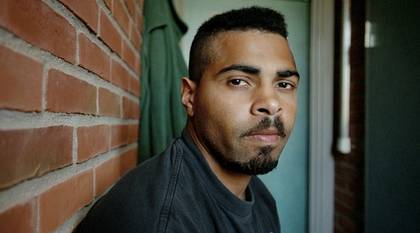
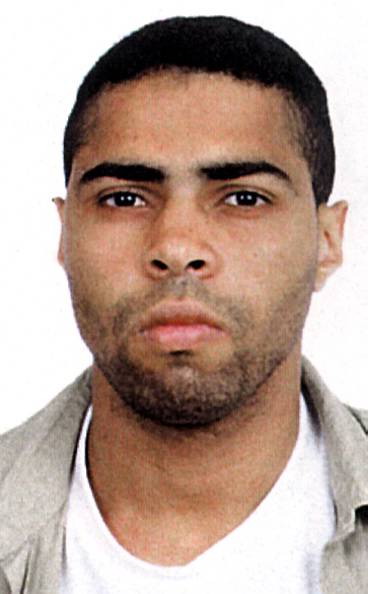
| Forensic Heading / Aliases | Jackie Arklöv / The Malexander Cop Killer |
| Legal Identity | Jackie Banny Arklöv |
| Confirmed Victims | 2 Swedish police officers (Malexander) and 11 Bosnian prisoners subjected to war crimes |
| Active Timeline | 1990s (Yugoslav Wars) and 1999 (Sweden) |
| Jurisdiction / Area of Operations | Bosnia and Herzegovina; Östergötland and Stockholm, Sweden |
| Criminological Classification | Multiple murderer, war criminal, and armed robber |
| Forensic Modus Operandi | Armed bank heists followed by the execution of law enforcement officers using service weapons |
| Weapon / Mechanism of Death | Firearms, service pistols |
| Motive / Behavioral Dynamics | Extreme neo-Nazi ideology, violent nihilism, and criminal profit |
| Judicial Outcome | Life imprisonment in Sweden for murder (2000) and additional conviction for war crimes (2006) |
1. Background and Profile
Jackie Banny Arklöv was born in Liberia in 1973 to a Black mother and a white father. Adopted at age three by a Swedish couple, he was raised in a small village in northern Sweden. In his teens, he developed a radical interest in Nazism and World War II, eventually joining domestic neo-Nazi groups. At nineteen, he volunteered as a mercenary on the Croatian side during the Yugoslav Wars, where he engaged in the torture and abuse of prisoners in detention camps.
2. Crime Spree
Upon returning to Sweden, Arklöv connected with fellow extremist Tony Olsson to form the Nationalist Republican Army (NRA). The cell orchestrated a series of armed bank robberies in Östergötland. On May 28, 1999, Arklöv, Olsson, and Andreas Axelsson robbed a bank in Kisa, making off with over two million Swedish kronor. During their escape, they encountered two police officers in Malexander. A shootout ensued, leading to the neutralization and subsequent point-blank execution of the officers using their own service weapons.
3. Investigation and Arrest
The violent getaway left an extensive forensic trail. Axelsson was wounded in the firefight, forcing his accomplices to seek medical assistance. Swedish forensic investigators recovered Arklöv’s fingerprints on a firearm and DNA profiles on a getaway vehicle and a mask. On May 31, 1999, Arklöv was shot and captured by police in Tyresö, near Stockholm.
4. Legal Proceedings and Outcome
During the initial trial, Arklöv denied involvement, claiming he was in Stockholm. Faced with incontrovertible DNA and ballistic evidence, he admitted to the bank robbery but denied the murders. Because forensic evidence established all three men fired at the officers, the court convicted them under joint liability, issuing life sentences in 2000, which were upheld on appeal.
5. Psychiatric Assessment and Aftermath
In 2001, Arklöv confessed to being the sole executioner of the two police officers, though his life sentence remained unchanged. Concurrently, he claimed to have renounced neo-Nazism, engaging with the Exit rehabilitation program. In 2006, following journalistic investigations and renewed prosecutorial efforts, Arklöv was tried and convicted in Sweden for war crimes committed in Bosnia, ordering financial reparations to eleven victims. He is currently serving his life sentence at Kumla High Security Prison.