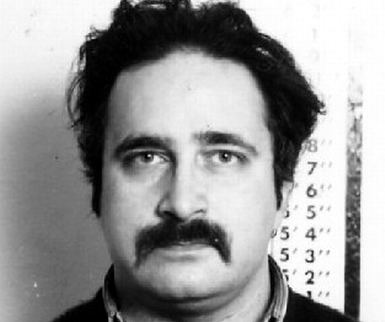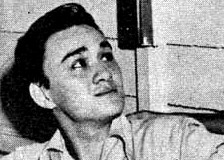




Forensic & Criminological Matrix
| Parameter | Forensic Detail |
|---|---|
| Forensic Heading / Aliases | Narding Anzures / Narding |
| Legal Identity | Bernardo Anzures |
| Confirmed Victims | 2 (Lilian Velez and her housemaid) |
| Active Timeline | June 26, 1948 |
| Jurisdiction / Area of Operations | Quezon City, Metro Manila, Philippines |
| Criminological Classification | Passional Homicide / Obsessive Jealousy Offender |
| Forensic Modus Operandi | Nocturnal home entry, sharp force violence, fatal multi-stab assault |
| Weapon / Mechanism of Death | Edged weapon / Stabbing (knife) |
| Motive / Behavioral Dynamics | Obsessive jealousy, professional rejection, boundary distortion |
| Judicial Outcome | Convicted of murder; died of tuberculosis in prison in 1949 |
1. Background and Profile
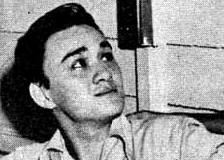
Bernardo "Narding" Anzures was born in 1928 in the Philippines into a family connected to the arts and show business. Prior to World War II, Anzures gained prominence as a child actor, appearing in various motion pictures and establishing himself as a rising young performer in the Manila film industry.
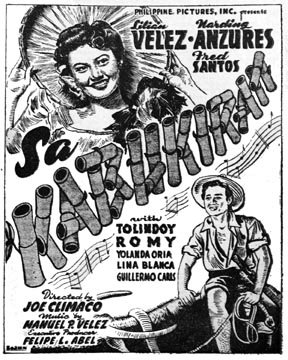
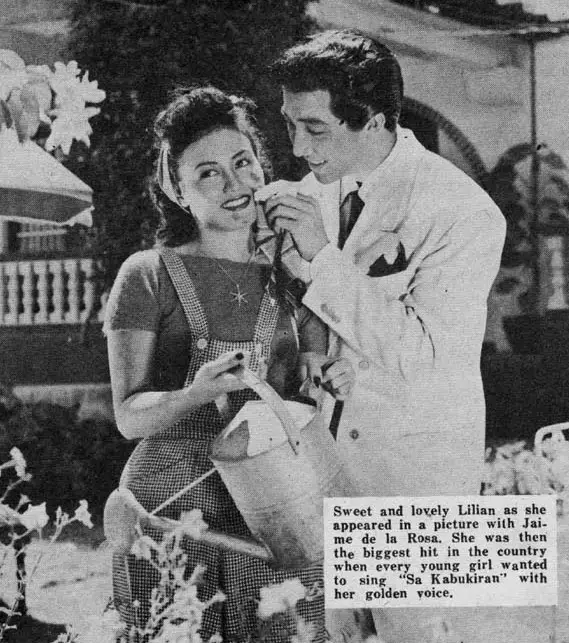
Following the end of the war, LVN Pictures paired Anzures with acclaimed singer and actress Lilian Velez. Velez was married to radio executive Jose Climaco, with whom she had a young daughter. As Velez and Anzures co-starred in major box-office successes such as Sa Kabukiran, Anzures developed an unhealthy obsession with Velez, blurring the line between on-screen romance and reality, and cultivating an intense, unreciprocated passion.
2. Crime Spree and Modus Operandi
The precipitating factor occurred when LVN Pictures chose actor Jaime de la Rosa to replace Anzures as Velez's leading man in her upcoming feature film. Viewing this career change as a personal rejection and loss of control over Velez, Anzures experienced severe psychological decompensation.
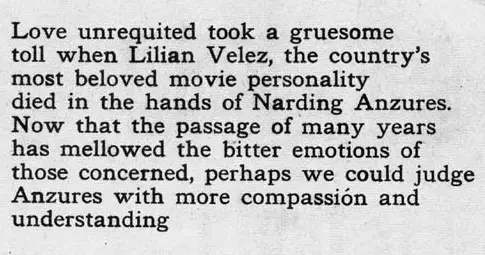
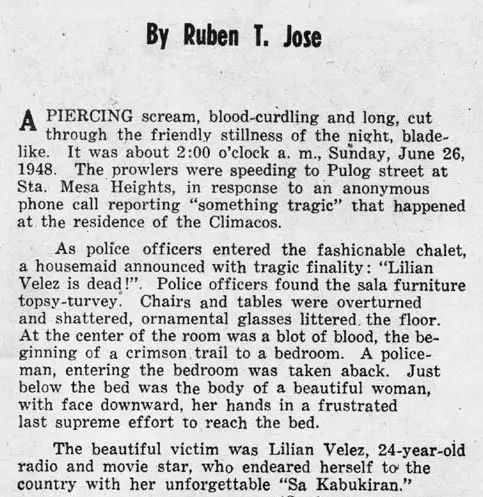
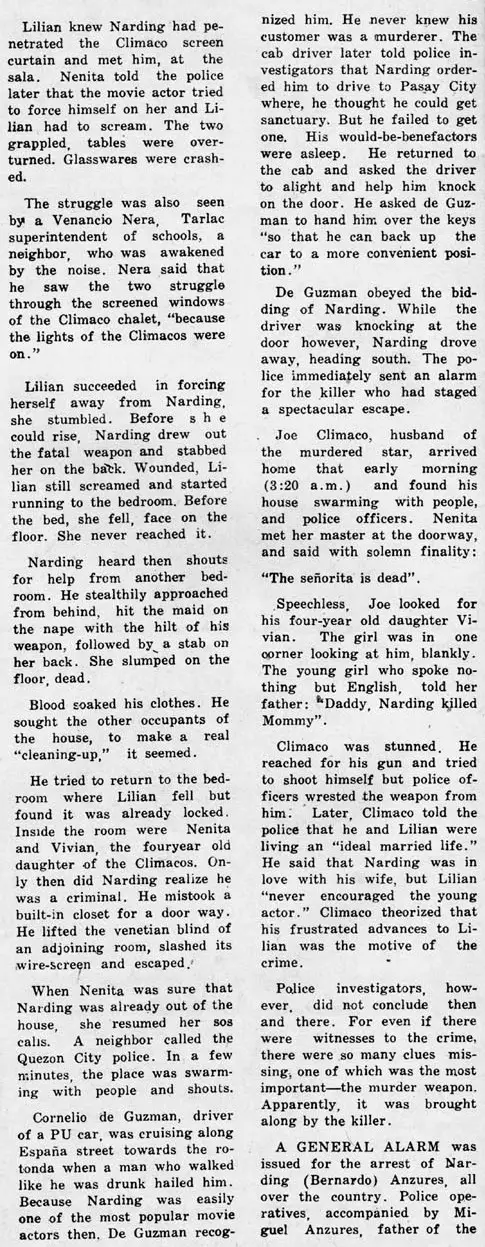
On the night of June 26, 1948, Anzures made an uninvited visit to Velez's residence in Quezon City. Upon gaining access to the home, he confronted Velez and launched a brutal physical assault, stabbing her repeatedly with a knife. When Velez's housemaid rushed to intervene and protect her employer, Anzures attacked her as well, inflicting fatal stab wounds on both women. Velez's four-year-old daughter, Vivian, witnessed the entire attack but was left physically unharmed.
3. Police Investigation and Forensic Capture
The discovery of the double homicide created an immediate shockwave across post-war Manila. Forensic examination of the crime scene revealed evidence of extreme sharp force trauma consistent with overkill, indicating an intense emotional motive driven by rage or jealousy.
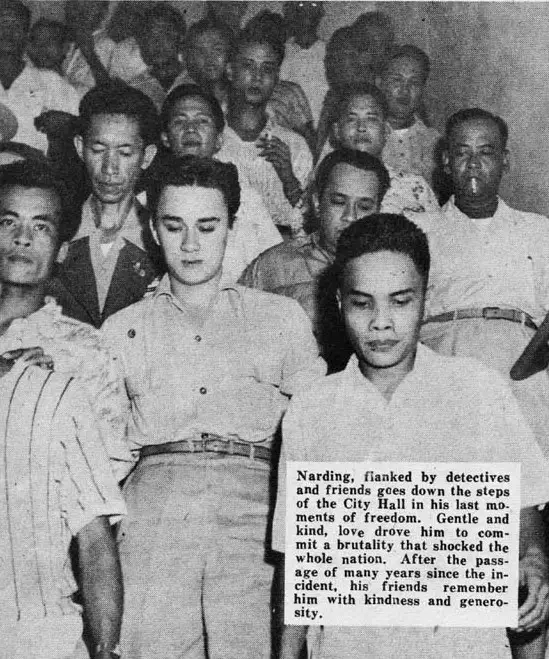
Quezon City police investigators interviewed witnesses and studio colleagues, who pointed out Anzures' recent agitation and obsessive behavior regarding Velez's new film assignment. Investigators quickly located and detained Anzures for interrogation within hours of the discovery.
4. Legal Proceedings and Judicial Sentence
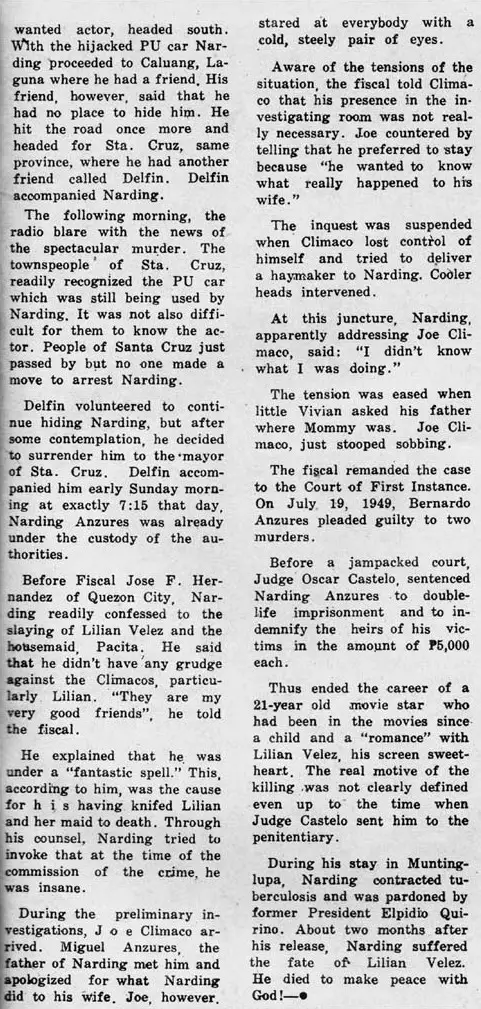
Under police questioning, Anzures admitted his involvement in the killings. The eyewitness testimony of the surviving child and circumstantial forensic evidence solidified the prosecution's case.
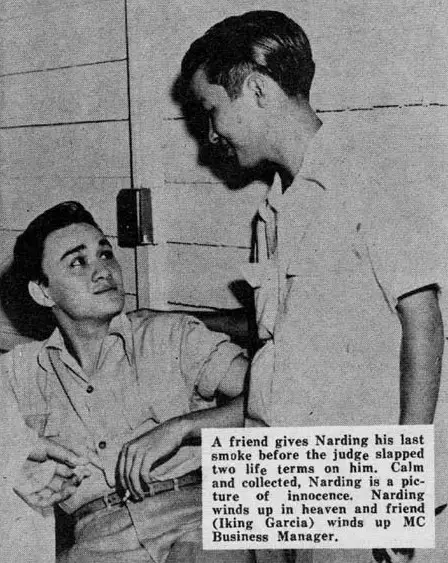
Anzures was formally charged, tried, and convicted of murder. The high-profile trial generated extensive media coverage, becoming one of the most infamous true-crime cases in 20th-century Philippine history.
5. Psychiatric Assessment and Aftermath
Psychiatric evaluations highlighted Anzures' severe emotional immaturity, poor impulse control, and obsessive fixation. His defense argued emotional distress, but the court ruled that he possessed full criminal capacity at the time of the offense.
Anzures served only a short portion of his sentence; he contracted tuberculosis while incarcerated and died in prison in 1949. Decades later, in 1995, the murder of Lilian Velez was dramatized in a major Philippine feature film.