



Forensic & Criminological Matrix
| Parameter | Forensic Detail |
|---|---|
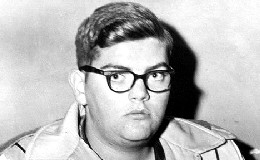
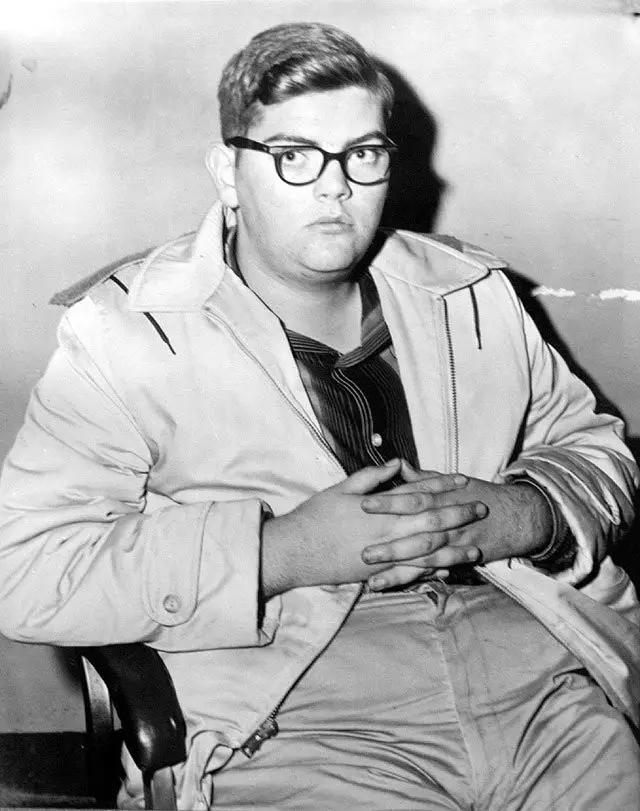
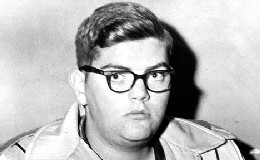
| Forensic Heading / Aliases | The Nicest Boy in Wolcott |
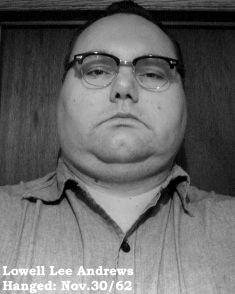
| Legal Identity | Lowell Lee Andrews |
| Confirmed Victims | 3 (William L. Andrews, Opal Andrews, Jennie Marie Andrews) |
| Active Timeline | November 28, 1958 |
| Jurisdiction / Area of Operations | Wolcott and Lawrence, Kansas, United States |
| Criminological Classification | Mass Murderer / Parricide |
| Forensic Modus Operandi | Premeditated execution using firearms (.22 rifle and revolver) targeting immediate family members, followed by staged burglary and fabricated alibi. |
| Weapon / Mechanism of Death | .22 caliber rifle and Luger pistol / Multiple ballistic trauma |
| Motive / Behavioral Dynamics | Antisocial personality traits / Financial greed and psychopathic fantasies of criminal emancipation |
| Judicial Outcome | Convicted of three counts of first-degree murder; sentenced to death and executed by hanging on November 30, 1962. |
1. Background and Profile
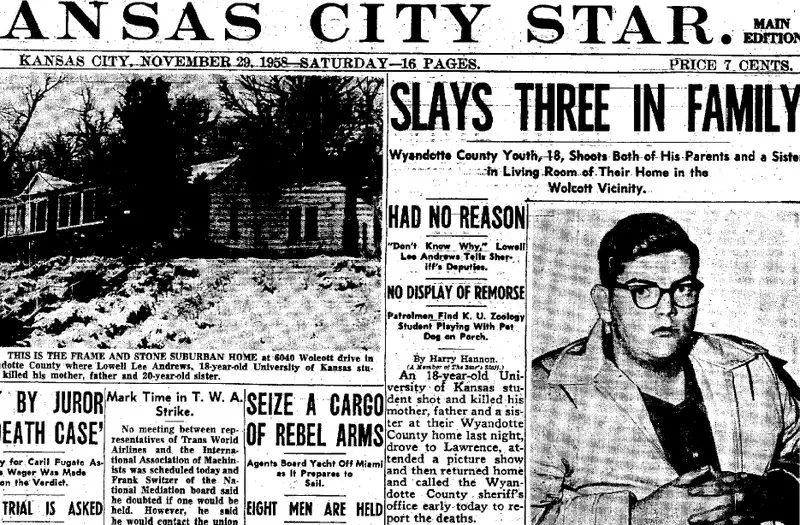
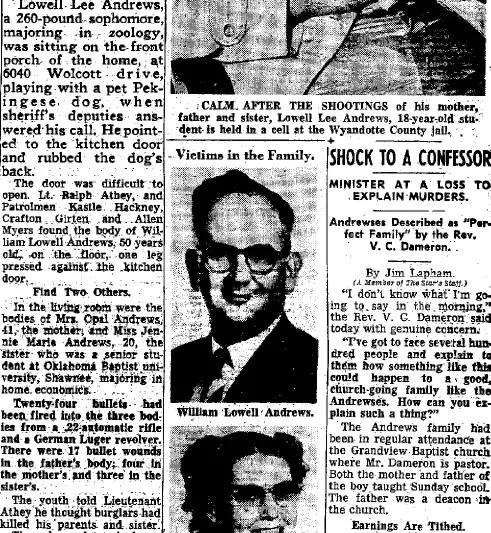
Lowell Lee Andrews was born into a farming family in the rural area of Wolcott, Kansas. A sophomore zoology major at the University of Kansas and bassoon player in the university band, he enjoyed an unblemished reputation in his community, famously dubbed by local press and neighbors as "the nicest boy in Wolcott." Beneath this façade of academic normalcy and polite manners, however, Andrews harbored severe behavioral anomalies and recurring fantasies of eliminating his family to move to Chicago and lead a life as a professional gangster.
2. Crime Spree
On November 28, 1958, taking advantage of the Thanksgiving holiday, Andrews was at the family home. While his parents and older sister, Jennie Marie, watched television, Andrews remained upstairs reading The Brothers Karamazov. Upon finishing the book, he shaved, dressed in a suit, and armed himself with a .22 caliber rifle and a revolver. Entering the room, he turned on the light and opened fire on his sister, killing her instantly with a shot between the eyes. He then turned his weapons on his parents, firing multiple rounds into his father and mother as they attempted to find cover.
3. Investigation and Forensic Pursuit
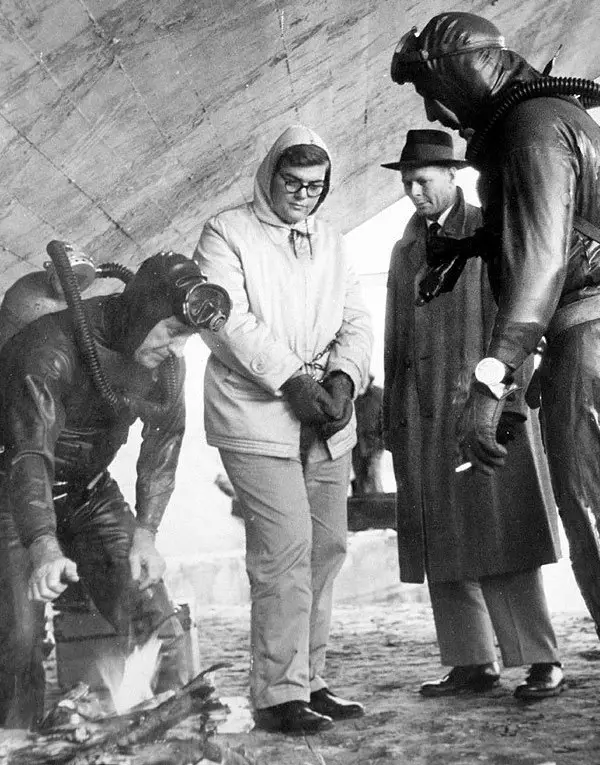
Following the massacre, Andrews opened a window to simulate a forced entry, drove to Lawrence to establish an alibi by picking up a typewriter and attending a movie theater, and subsequently threw the dismantled weapons into the Kansas River from the Massachusetts Street Bridge. Upon returning home, he contacted local authorities to report a burglary. The investigating deputies from Wyandotte County immediately noted his total lack of emotional response or concern regarding the massacre.
4. Legal Proceedings and Outcome
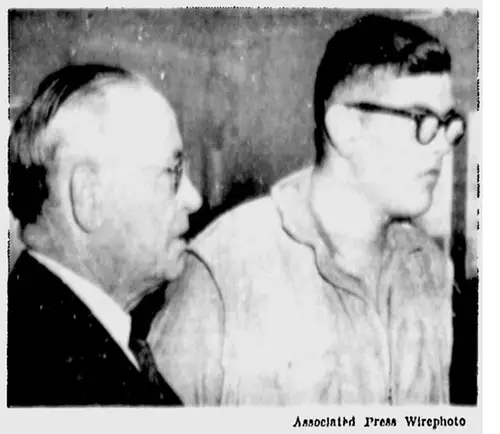
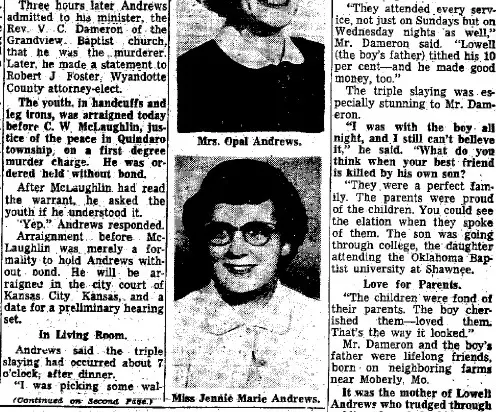
During subsequent interrogations, Andrews confessed to the murders, citing financial motives—specifically acquiring the family farm and savings—alongside a profound emotional detachment. Although his defense entered a plea of not guilty by reason of insanity, the jury convicted him on three counts of first-degree murder on January 18, 1960, sentencing him to death.
5. Psychiatric Evaluation and Final Disposition
Andrews' legal team exhausted multiple appeals and habeas corpus petitions through federal courts and the U.S. Supreme Court, all of which were ultimately rejected. While on death row at the Lansing Correctional Facility, he was housed alongside Richard Hickock and Perry Smith (the murderers featured in Truman Capote's In Cold Blood). Andrews maintained his detached, unrepentant demeanor throughout his imprisonment. Declining final words and offering a slight smile, he was executed by hanging on November 30, 1962, marking one of the final state executions carried out in Kansas.