Forensic & Criminological Matrix
| Parameter | Forensic Detail |
|---|---|
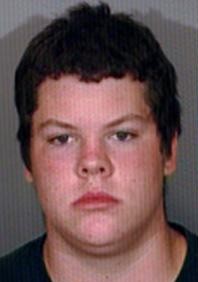
| Forensic Heading / Aliases | Rogelio Andrade |
| Legal Identity | Rogelio Andrade |
| Confirmed Victims | 10 (initially charged) |
| Active Timeline | 1993 |
| Jurisdiction / Area of Operations | Westlake, Los Angeles, California |
| Criminological Classification | Arsonist / Gang Member |
| Forensic Modus Operandi | Arson in a residential building |
| Weapon / Mechanism of Death | Fire |
| Motive / Behavioral Dynamics | Criminal retaliation |
| Judicial Outcome | Charges dropped due to insufficient evidence |
1. Background and Profile
Rogelio Andrade was identified by law enforcement as a member of the 18th Street gang, a notorious criminal organization operating in the Westlake district of Los Angeles. His criminal profile is consistent with urban gang violence, focusing on territorial control and intimidation.
2. Crime Spree
On May 3, 1993, a massive fire at an apartment building on Burlington Avenue claimed the lives of 10 individuals, including seven children and two pregnant women. The fire was an act of retaliation against the building manager for reporting drug activity to the police.
3. Investigation and Arrest
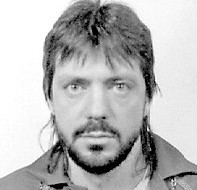
The investigation was hampered by witness intimidation for five years. In 1998, an informant provided information linking Andrade and Allan Lobos to the crime. Andrade was arrested at his home in Hollywood shortly thereafter.
4. Legal Proceedings and Outcome
Andrade faced 12 counts of murder and one count of arson. However, the prosecution eventually dropped the charges, citing insufficient evidence to secure a conviction in court. The case remains a significant example of the challenges in prosecuting gang-related crimes in high-density, impoverished urban areas.