




Forensic & Criminological Matrix
| Parameter | Forensic Detail |
|---|---|
| Forensic Heading / Aliases | The San Antonio Taxi Killer |
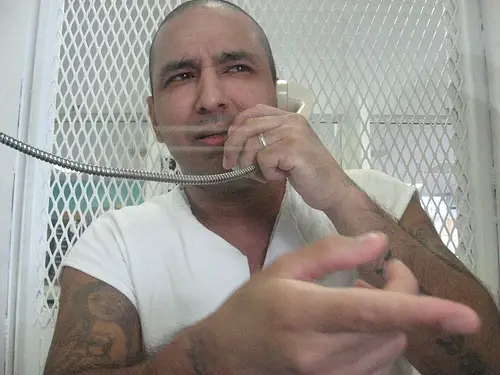
| Legal Identity | John Joe Amador |
| Confirmed Victims | 1 (Reza Ayari) and 1 survivor (Esther Garza) |
| Active Timeline | January 4, 1994 |
| Jurisdiction / Area of Operations | San Antonio and Poteet, Texas |
| Criminological Classification | Robbery-Homicide / Instrumental Murderer |
| Forensic Modus Operandi | Taxi ambush via remote destination deception |
| Weapon / Mechanism of Death | .380 and .25 caliber handguns |
| Motive / Behavioral Dynamics | Monetary gain / Antisocial personality traits |
| Judicial Outcome | Executed by lethal injection on August 29, 2007 |
1. Background and Profile
John Joe Amador's criminal trajectory began in California, where at age 16 he was involved in the fatal stabbing of his stepfather. Although he claimed the killing was a reaction to years of physical and sexual abuse, he was sentenced as an accessory. After serving three years, he was paroled in 1993 and moved to Texas. His profile was characterized by early exposure to extreme violence and a failure to rehabilitate under parole supervision.
2. Crime Spree
On the morning of January 4, 1994, Amador and his 16-year-old cousin, Sara Rivas, hailed a taxi driven by Mohammad Reza Ayari. A friend of the driver, Esther Garza, was also in the vehicle. Amador instructed Ayari to drive to a secluded location in Poteet. Upon arrival, Amador executed Ayari with a .380 caliber shot to the head. He then commanded Rivas to shoot Garza with a .25 caliber pistol. The victims were robbed and dumped face-down. Remarkably, Garza survived the gunshot wound to the head.
3. Investigation and Arrest
The abandoned taxi was recovered shortly after the crime. The breakthrough occurred when the survivor, Esther Garza, provided names to the police after receiving tips from the community. Following a positive photo lineup identification, an arrest warrant was issued. Amador was apprehended in California and extradited back to Texas to face capital murder charges.
4. Legal Proceedings and Outcome
Amador's trial was marked by his volatile behavior; he famously threatened the lives of the judge and prosecutors during the punishment phase. Despite defense claims of a traumatic childhood and mitigating circumstances, the jury focused on the calculated nature of the execution and his prior violent history. He was sentenced to death. After 13 years on death row, during which he claimed to have found peace through literature and art, Amador was executed on August 29, 2007.