




Forensic & Criminological Matrix
| Parameter | Forensic Detail |
|---|---|
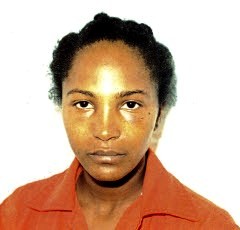
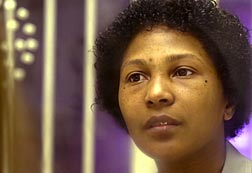
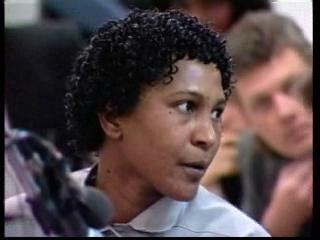
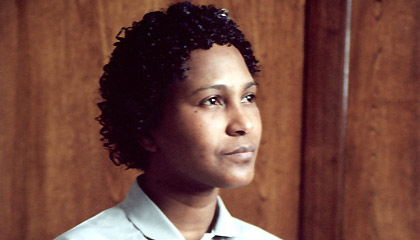
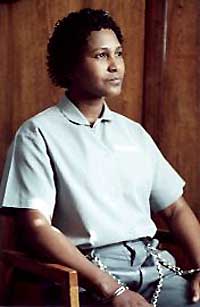
| Full Legal Name | Wanda Jean Allen |
| Department of Corrections ID | ODOC #112836 (Oklahoma State Penitentiary, McAlester) |
| Criminological Classification | Recidivist intimate partner homicide, domestic firearm execution |
| Dates of Offenses | June 29, 1981 (Detra Pettus) & December 1, 1988 (Gloria Leathers) |
| Jurisdiction of Crimes | Oklahoma City and The Village, Oklahoma County, Oklahoma, USA |
| Confirmed Murder Victims | 2 (Detra Pettus, 21, former partner; Gloria Jean Leathers, 29, girlfriend) |
| Weapon Employed | .38 caliber revolver |
| Neuropsychiatric Profile | Borderline intellectual deficiency (IQ 69), organic frontal lobe damage from severe childhood head trauma |
| Criminogenic Motive | Pathological jealousy, acute interpersonal rage, and impaired impulse control |
| Final Legal Disposition | Executed by lethal injection on January 11, 2001 in Oklahoma |
Childhood Neurotrauma and Early Offending
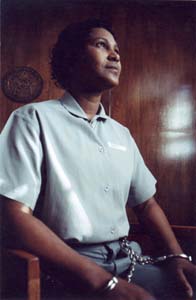
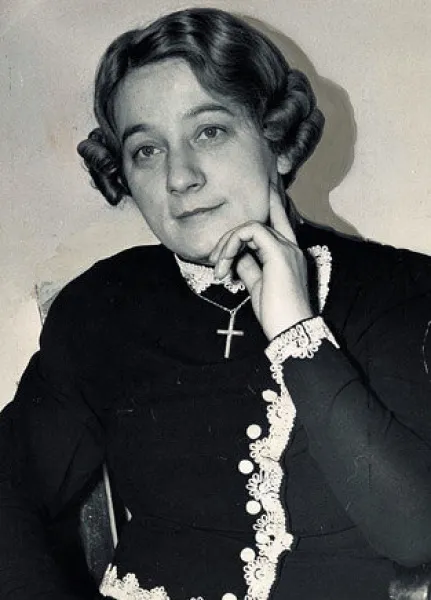
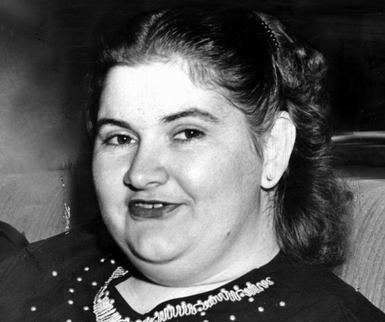
Wanda Jean Allen became the focus of intense international scrutiny concerning mental competence and capital punishment in the United States. Raised in an impoverished, chaotic environment, Allen suffered severe traumatic brain injury at age 12 when hit by a truck, leaving her unconscious for days, and at age 14 sustained a gunshot wound to the left temple. Comprehensive neuropsychological assessments demonstrated marked frontal lobe damage and a full-scale IQ of 69, placing her in the bottom percentile of intellectual functioning with severe impairments in judgment and emotional regulation.
In June 1981, aged 21, Allen shot and killed her former girlfriend and roommate, Detra Pettus, in Oklahoma City during a domestic fight. After entering a guilty plea to first-degree manslaughter, she received a four-year sentence and was paroled after serving two years.
The Shooting of Gloria Leathers at The Village Police Station
In 1987, Allen began living with Gloria Jean Leathers, 29. The relationship was fraught with frequent physical domestic violence. On December 1, 1988, following an intense argument at a local grocery store, Leathers gathered personal belongings and drove with her mother to The Village Police Department to seek police protection and file domestic abuse charges.
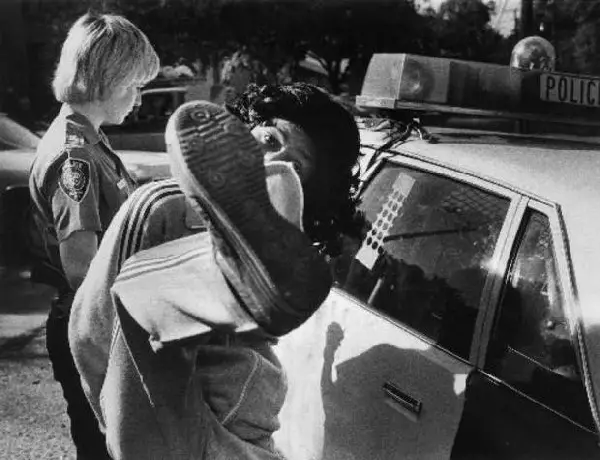
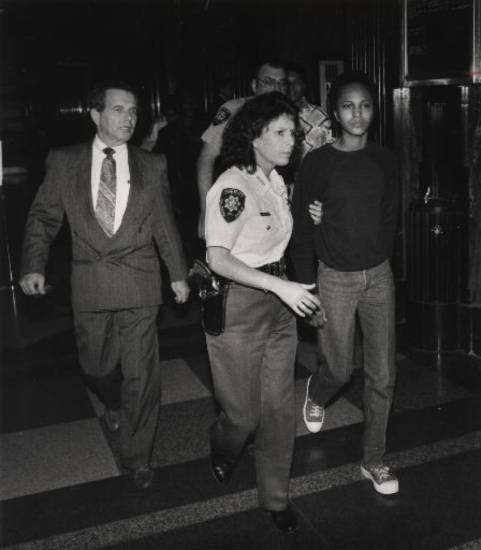
Allen pursued Leathers' vehicle to the municipal complex. As Leathers stepped out of her car outside the police station doors, Allen confronted her, drew a .38 caliber revolver, and shot Leathers in the abdomen at point-blank range. Police officers inside rushed out upon hearing gunfire and disarmed Allen on the pavement. Leathers succumbed to internal hemorrhage hours later at Presbyterian Hospital.
Capital Trial, International Advocacy, and Execution
At her 1989 trial, Allen's underfunded defense attorney failed to present expert testimony regarding her documented organic brain trauma or borderline intellectual quotient. The jury convicted Allen of first-degree murder and imposed the death penalty.
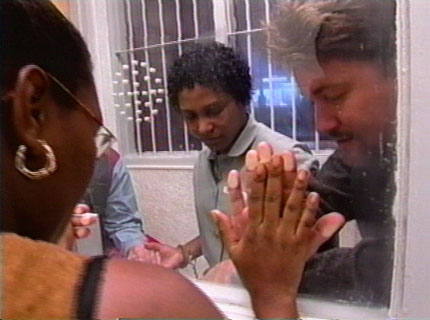
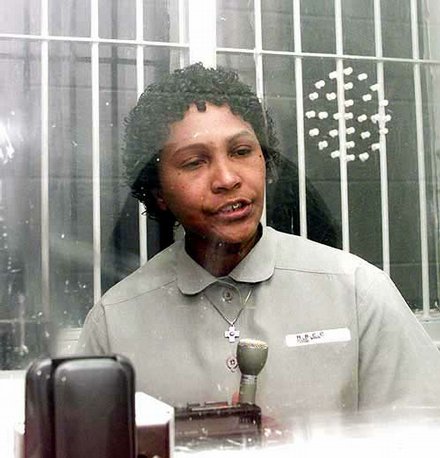
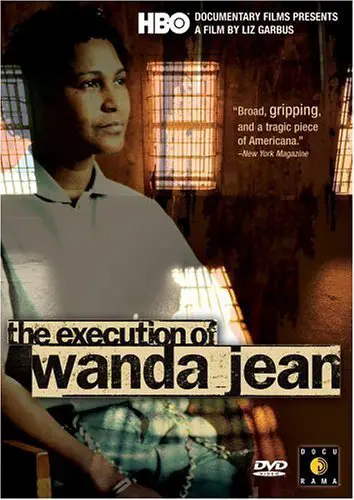
Her appeals mobilized human rights advocates, civil rights organizations, and international media (profiled in Liz Garbus' acclaimed documentary The Execution of Wanda Jean). Advocates argued that executing an individual with documented brain damage and sub-70 IQ constituted cruel and unusual punishment. The Oklahoma Pardon and Parole Board denied clemency by a 3–1 vote. On January 11, 2001, Wanda Jean Allen was executed by lethal injection at the Oklahoma State Penitentiary in McAlester, marking the first execution of a Black woman in the United States since 1954.