




Forensic & Criminological Matrix
| Parameter | Forensic Detail |
|---|---|
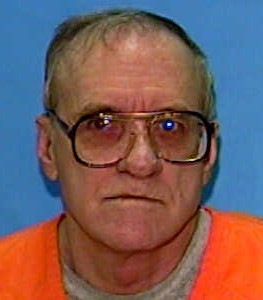
| Forensic Heading / Aliases | Lloyd Chase Allen |
| Legal Identity | Lloyd Chase Allen |
| Confirmed Victims | 1 |
| Active Timeline | 1992 |
| Jurisdiction / Area of Operations | Summerland Key and Jacksonville Beach, Florida, USA |
| Criminological Classification | Acquisitive Homicidal Offender / Itinerant Criminal |
| Forensic Modus Operandi | Sharp-force trauma to the neck (severing carotid artery), followed by robbery and vehicular flight |
| Weapon / Mechanism of Death | Edged weapon (knife) |
| Motive / Behavioral Dynamics | Financial gain / Robbery |
| Judicial Outcome | Sentenced to death (with ongoing federal and state appeals) |
1. Background and Profile
Lloyd Chase Allen was an interstate truck driver and career criminal who had previously escaped from a work-release program in Kansas. His behavioral profile characterizes an itinerant offender with a propensity for opportunistic violence and property crimes.
2. Crime Spree
In 1992, Allen crossed paths with the victim at a truck stop while she was traveling from Ohio to Florida. After accompanying her to sell properties and discussing future business plans, Allen attacked and murdered her inside her Summerland Key residence. The victim suffered a deep stab wound to the neck that severed her carotid artery, causing her to bleed to death. Allen stole valuable jewelry and cash before abandoning the crime scene in the victim's car.
3. Investigation and Arrest
Law enforcement initiated a manhunt after a local real estate agent discovered the victim's body. Investigators recovered crucial forensic evidence at the scene, including bloodstained jeans, a semen-stained towel, and Allen's truck driver logbook left inside the victim's abandoned vehicle. Eyewitness accounts placed Allen at the residence around the time of the homicide. DNA analysis linked Allen to the biological evidence, leading to his apprehension in California on February 18, 1992.
4. Legal Proceedings and Outcome
Extradited to Florida, Allen faced multiple felony charges including first-degree murder, armed robbery, grand theft, and kidnapping. Uniquely, during the penalty phase of his trial, Allen elected to represent himself—a competency affirmed by the court—and explicitly asked for the death penalty while refusing to present mitigating evidence. In February 1993, a jury convicted him of first-degree murder and armed robbery, subsequently recommending capital punishment, which was imposed in March 1993.
5. Psychiatric Assessment and Aftermath
Allen demonstrated severe behavioral non-compliance and fatalistic tendencies throughout the judicial process. Over the subsequent decades, he pursued numerous post-conviction motions, appeals, and DNA testing petitions in Florida state courts and federal jurisdictions to challenge his death sentence.