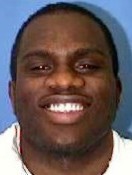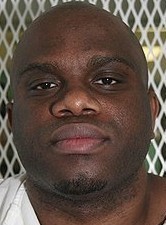




Forensic & Criminological Matrix
| Parameter | Forensic Detail |
|---|---|
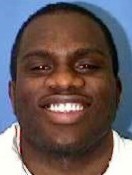
| Forensic Heading / Aliases | Franklin DeWayne Alix / The Houston Apartment Complex Killer |
| Legal Identity | Franklin DeWayne Alix |
| Confirmed Victims | 4 |
| Active Timeline | 1997 - 1998 |
| Jurisdiction / Area of Operations | Houston, Texas, USA |
| Criminological Classification | Serial Killer / Sexual Predator / Armed Robber |
| Forensic Modus Operandi | Abduction at gunpoint, trunk confinement, sexual assault, and shooting victims in the back |
| Weapon / Mechanism of Death | Handgun / Gunshot wounds |
| Motive / Behavioral Dynamics | Financial gain and sadistic sexual gratification |
| Judicial Outcome | Executed by lethal injection on March 30, 2010 |
1. Background and Profile
Franklin DeWayne Alix was born in Harris County, Texas, in 1975. His criminal trajectory began with non-violent offenses that rapidly escalated. By his late teens, he had already served time for vehicle theft and weapons charges. Criminological analysis suggests a transition from opportunistic property crimes to predatory violence, where Alix began to derive satisfaction from the total control and terrorization of his victims, specifically targeting them in the perceived safety of their residential parking areas.
2. Crime Spree
Between August 1997 and January 1998, Alix engaged in a violent crime spree characterized by a distinct signature: forcing victims into the trunks of their own vehicles. This method allowed him to transport victims to secluded areas for robbery and sexual assault without immediate detection. His victims included Gregorio Ramirez, shot during a robbery in August 1997; Selemawi Tewolde, killed in October 1997; and Christopher Thomas, found dead in January 1998. His most publicized crime involved the abduction and rape of a 19-year-old woman, followed by the cold-blooded murder of her brother, Eric Bridgeford, who interrupted the robbery of their home.
3. Investigation and Arrest
Following the murder of Eric Bridgeford on January 3, 1998, Houston police intensified their search for a suspect matching the description provided by surviving victims. Alix was apprehended on January 6, 1998. He provided a videotaped confession and led officers to the murder weapon. Forensic ballistics linked the firearm to the Bridgeford murder and other shootings in the area, providing the physical evidence necessary for a capital murder charge.
4. Legal Proceedings and Outcome
During the 1998 trial, the State of Texas presented Alix as the "poster boy for the death penalty," citing his extensive history of violence, including two rapes and multiple attempted murders of security guards. The jury found him to be a continuing threat to society. Despite numerous appeals regarding his legal representation and the nature of his confession, his conviction was upheld. Franklin DeWayne Alix was executed on March 30, 2010. His final statement reflected a lack of full accountability, as he characterized his serial crimes as "mistakes" and "poor choices."