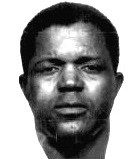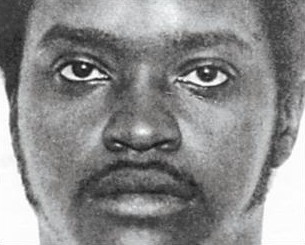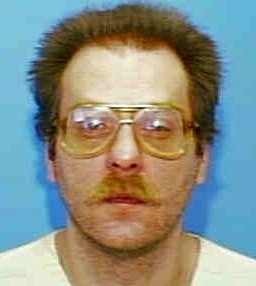





Forensic & Criminological Matrix
| Parameter | Forensic Detail |
|---|---|
| Forensic Heading / Aliases | The Abbey Medical Van Killer |
| Legal Identity | Caruthers Alexander |
| Confirmed Victims | 1 (Lori Bruch) |
| Active Timeline | April 1981 |
| Jurisdiction / Area of Operations | San Antonio, Texas, USA |
| Criminological Classification | Sexual Predator / Opportunistic Murderer |
| Forensic Modus Operandi | Staged vehicle collision, abduction, sexual assault, and ligature strangulation |
| Weapon / Mechanism of Death | Ligature (rope) |
| Motive / Behavioral Dynamics | Sexual gratification and dominance |
| Judicial Outcome | Executed by lethal injection on January 29, 2001 |
1. Background and Psychopathy
Caruthers Alexander was a repeat offender with a documented history of escalating criminal behavior. Prior to the 1981 capital murder, he had served time for arson (1972) and involuntary manslaughter (1975). His criminal record indicates a pattern of disregard for social norms and human life, fitting the profile of a predatory offender who progressed from property damage and accidental death to premeditated sexual violence and homicide.
2. Crime Spree
On April 22, 1981, Alexander targeted 19-year-old Lori Bruch as she drove home from her shift at a nightclub. Using his employer's white delivery van, he intentionally rammed Bruch's vehicle to force her off the road. Once she stopped, he abducted her. Forensic analysis revealed that Bruch was raped and then bound at the wrists and ankles. The cause of death was determined to be ligature strangulation. Her body was discarded in a rain-filled gutter near an elementary school, where it was discovered by children the following morning.
3. Investigation and Forensic Hunt
Witness reports of a white van with medical lettering led police to Abbey Medical, where they identified the vehicle assigned to Alexander. Forensic examination of the van revealed paint transfers matching Bruch's car and, crucially, one of the victim's earrings and her belt inside the cargo area. Blood matching the victim's type was also recovered from the interior. When investigators informed Alexander of the discovery of the earring, he exhibited a strong physiological reaction, appearing visibly shaken and physically ill.
4. Legal Proceedings and Outcome
Alexander's legal battle spanned two decades. His initial 1981 conviction was overturned in 1987 due to evidentiary errors. However, a second trial in 1989 resulted in a renewed death sentence. Despite his persistent claims of innocence, a final forensic breakthrough occurred in 2000 when mitochondrial DNA testing was performed on a hair fragment found on the victim's body. The results confirmed a match to Alexander, providing definitive scientific proof of his presence at the crime scene. He was executed on January 29, 2001.