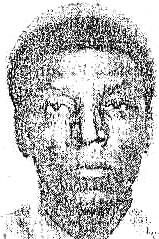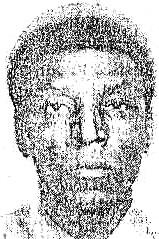






Forensic & Criminological Matrix
| Parameter | Forensic Detail |
|---|---|
| Forensic Heading / Aliases | James Adams |
| Legal Identity | James Adams |
| Confirmed Victims | 1 |
| Active Timeline | November 12, 1973 |
| Jurisdiction / Area of Operations | Fort Pierce, Florida, USA |
| Criminological Classification | Murderer / Escaped Convict |
| Forensic Modus Operandi | Residential robbery and blunt force trauma |
| Weapon / Mechanism of Death | Fireplace poker |
| Motive / Behavioral Dynamics | Robbery / Profit |
| Judicial Outcome | Executed via electric chair (May 10, 1984) |
1. Background and Profile
At the time of the 1973 incident, James Adams was a fugitive from the Tennessee Department of Corrections. He had been serving a 99-year sentence for rape before successfully escaping and relocating to Florida. His criminal profile suggested a high-risk individual with a history of sexual violence and a propensity for recidivism while evading legal authorities.
2. Crime Spree
On the morning of November 12, 1973, Edgar Brown was assaulted inside his home during a robbery. The assailant utilized a fireplace poker to deliver multiple blows to the victim's head. Brown succumbed to his injuries the following day. The crime was characterized by the use of a weapon of opportunity and a high level of physical aggression directed at a vulnerable victim during a daytime burglary.
3. Investigation and Arrest
The investigation relied heavily on circumstantial evidence. Adams's vehicle, a Rambler, was spotted near the crime scene, and stolen property from the Brown residence was later recovered from a car used by Adams's wife. However, the forensic integrity of the case was questioned when it was revealed that hair samples found on the victim did not match Adams. This exculpatory evidence was reportedly withheld from the defense until after the trial had concluded.
4. Legal Proceedings and Outcome
Adams's trial was heavily influenced by the racial climate of the era. Records indicate that racial slurs were used by both the prosecution and the defense. The prosecution highlighted Adams's prior rape conviction specifically noting the race of the victim to secure a death sentence. Despite multiple appeals regarding his innocence and the suppression of forensic evidence, his conviction was upheld. James Adams was executed in the electric chair on May 10, 1984.