



Forensic & Criminological Matrix
| Parameter | Forensic Detail |
|---|---|
| Forensic Heading / Aliases | The Yonkers Serial Killer |
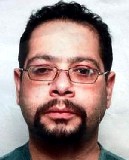
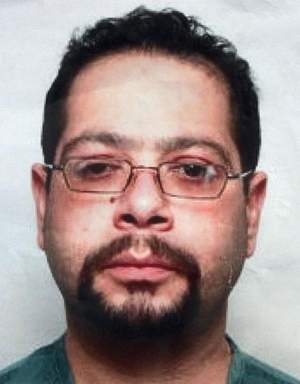
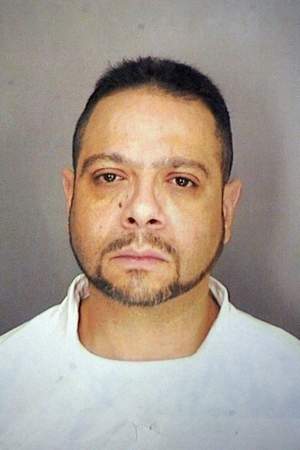
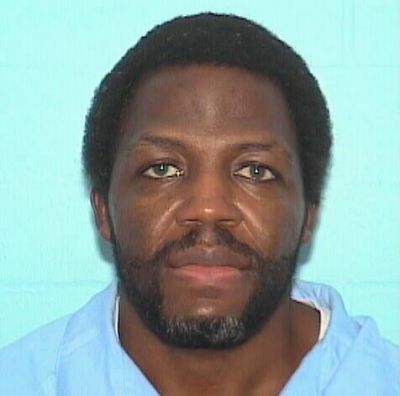
| Legal Identity | Francisco Acevedo |
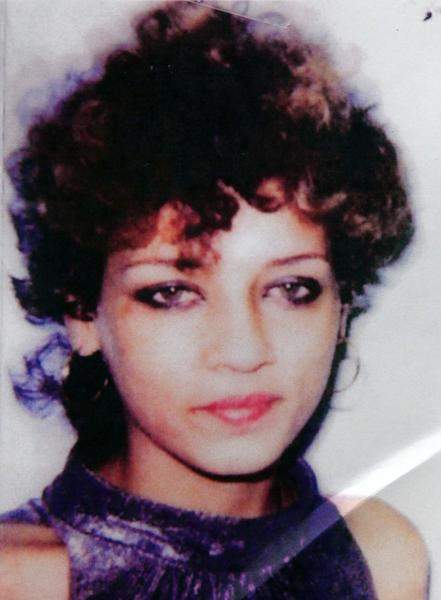
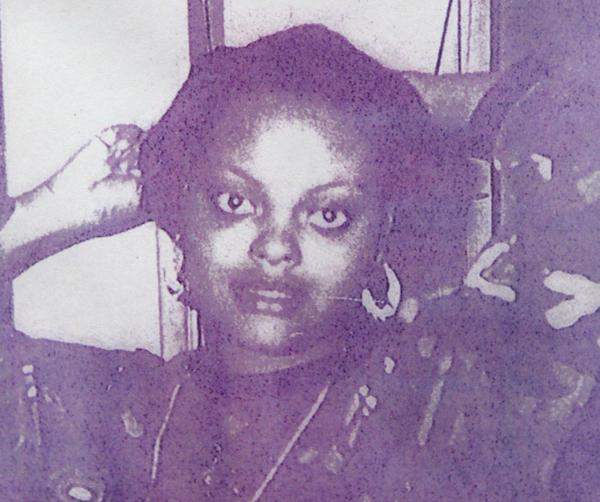
| Confirmed Victims | 3 (Maria Ramos, Tawana Hodges, Kimberly Moore) |
| Active Timeline | 1989 - 1996 |
| Jurisdiction / Area of Operations | Yonkers and Greenburgh, New York, USA |
| Criminological Classification | Serial killer |
| Forensic Modus Operandi | Targeting vulnerable women, manual/mechanical strangulation, abandoning bodies naked, bound at the hands, and positioned face-up |
| Weapon / Mechanism of Death | Strangulation |
| Motive / Behavioral Dynamics | Sexual predation, sadistic gratification, extreme gender-based violence |
| Judicial Outcome | Sentenced in 2012 to 75 years to life imprisonment |
1. Background and Profile
Born in 1968, Francisco Acevedo lived in the New York metropolitan area, developing a history of substance abuse and minor criminal infractions, including driving under the influence (DUI). Operating beneath the radar of major law enforcement task forces, Acevedo managed to avoid detection for two decades while maintaining a low-profile existence in Westchester County.
2. Crime Spree and Modus Operandi
Between 1989 and 1996, Acevedo murdered three women across Yonkers and neighboring Westchester County: Maria Ramos (26, killed on February 5, 1989), Tawana Hodges (28, killed on March 28, 1991), and Kimberly Moore (30, killed on May 24, 1996).
The crimes shared a distinct signature: all victims were found strangled, completely naked, with their hands bound, and positioned facing upward (supine). Although vaginal swabs containing foreign DNA profiles were recovered from the crime scenes during initial investigations, the absence of a suspect match left the cases unsolved for years.
3. Investigation and Forensic Capture
The murders became one of the most persistent cold cases for the Yonkers Police Department, which investigated over 100 potential suspects without success. The breakthrough occurred in 2009 when Acevedo was jailed on a drunk driving charge. As a condition for an optional parole application, he voluntarily provided a DNA sample.
The resulting database match linked his genetic profile directly to the biological evidence retrieved from the Ramos, Hodges, and Moore crime scenes. Cold case detectives subsequently arrested Acevedo, noting his hostile reaction upon being confronted.
4. Legal Proceedings and Outcome
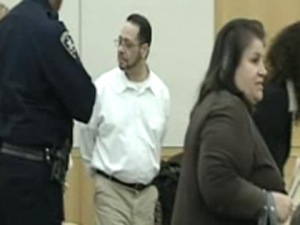
Following his indictment, Acevedo stood trial at the Westchester County Courthouse in White Plains. Forensic experts testified that the statistical probability of the DNA recovered from the victims belonging to anyone else was virtually impossible. Furthermore, corroborating witness testimony placed Acevedo in the company of one of the victims prior to her death.
In November 2011, a jury convicted Acevedo of three counts of murder, though he was acquitted on separate rape charges due to evidentiary thresholds.
5. Psychiatric Assessment and Aftermath
On January 17, 2012, Westchester County Judge Barbara Zambelli sentenced Acevedo to consecutive maximum terms totaling 75 years to life in prison. During sentencing hearings, grieving relatives confronted Acevedo directly, condemning his heinous acts. Acevedo maintained his innocence during court statements. His conviction remains a textbook example of the efficacy of expanding forensic DNA databases in solving historical serial homicides.