




Forensic & Criminological Matrix
| Parameter | Forensic Detail |
|---|---|
| Forensic Heading / Aliases | Nathaniel Abraham |
| Legal Identity | Nathaniel Jamal Abraham |
| Confirmed Victims | 1 (Ronnie Greene Jr.) |
| Active Timeline | October 29, 1997 |
| Jurisdiction / Area of Operations | Pontiac, Michigan, United States |
| Criminological Classification | Juvenile firearm homicide offender |
| Forensic Modus Operandi | Random firing of a .22 caliber rifle at pedestrians from a public street |
| Weapon / Mechanism of Death | .22 caliber rifle |
| Motive / Behavioral Dynamics | Juvenile impulsivity and unregulated hostility |
| Judicial Outcome | Convicted of second-degree murder in adult court; subsequently released after serving a juvenile sentence |
1. Background and Psychopathy
Nathaniel Jamal Abraham was born in 1986 in Michigan, USA. His upbringing was characterized by socioeconomic instability and an unstable home environment, leading to early behavioral issues and disciplinary problems at school. Preliminary psychological evaluations noted significant impulse control deficits and poor socialization prior to the homicide that brought him national legal notoriety.
2. Crime Spree
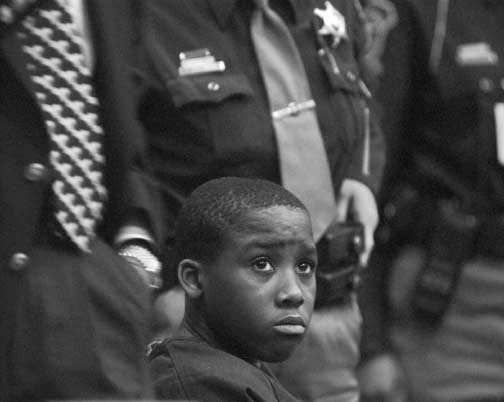
On October 29, 1997, at just 11 years old, Abraham obtained a .22 caliber rifle. After engaging in target practice near his neighborhood, he fired indiscriminately toward a public street. One of the rounds struck and fatally wounded Ronnie Greene Jr., an 18-year-old pedestrian who had no prior connection to the shooter.
3. Investigation and Arrest
Law enforcement investigations conducted by the Pontiac Police Department quickly led to Abraham's identification and apprehension based on eyewitness accounts and ballistic evidence recovered from the crime scene. The suspect's tender age sparked an immediate national debate regarding jurisdiction and the appropriateness of trying juveniles under adult criminal statutes.
4. Legal Proceedings and Outcome
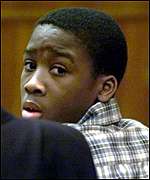
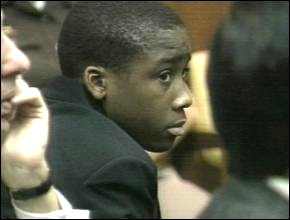
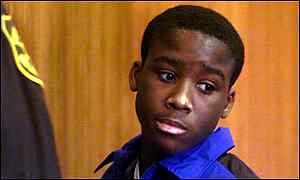
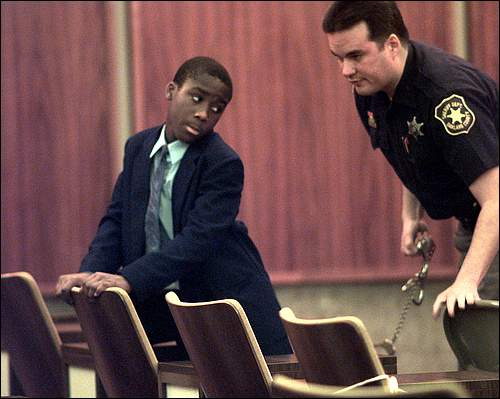
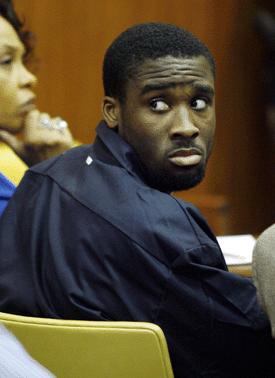
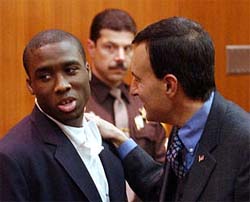
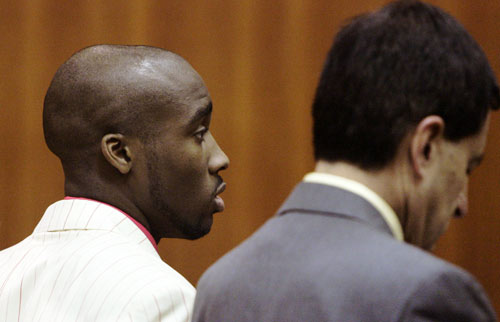
Michigan prosecutors initially charged Abraham with first-degree murder under adult jurisdiction, triggering a fierce legal battle over juvenile culpability in the American justice system. In 1999, a jury convicted him of second-degree murder. He was sentenced to a juvenile detention facility with periodic reviews, thereby avoiding an automatic life sentence in an adult correctional institution.
5. Psychiatric Evaluation and Final Disposition
During his placement within Michigan's juvenile correctional system, Abraham underwent rigorous psychiatric monitoring and educational rehabilitation. Demonstrating positive behavioral modification over the years, he eventually completed his rehabilitation requirements and was released into society, later pursuing higher education.