




Forensic & Criminological Matrix
| Parameter | Forensic Detail |
|---|---|
| Forensic Heading / Aliases | Constable William Keith Abbott |
| Legal Identity | William Keith Abbott |
| Confirmed Victims | 1 (Steven Wallace) |
| Active Timeline | April 30, 2000 |
| Jurisdiction / Area of Operations | Waitara, Taranaki Region, New Zealand |
| Criminological Classification | Lethal use of police force / In-line-of-duty homicide |
| Forensic Modus Operandi | Unplanned tactical intervention, multiple 9mm Glock service pistol discharges against an unarmed civilian |
| Weapon / Mechanism of Death | 9mm semi-automatic Glock pistol |
| Motive / Behavioral Dynamics | Excessive police zeal and alleged mistaken identity under a claim of self-defense |
| Judicial Outcome | No criminal charges filed by the Crown following internal police investigation (Pearce Report) |
1. Background and Profile
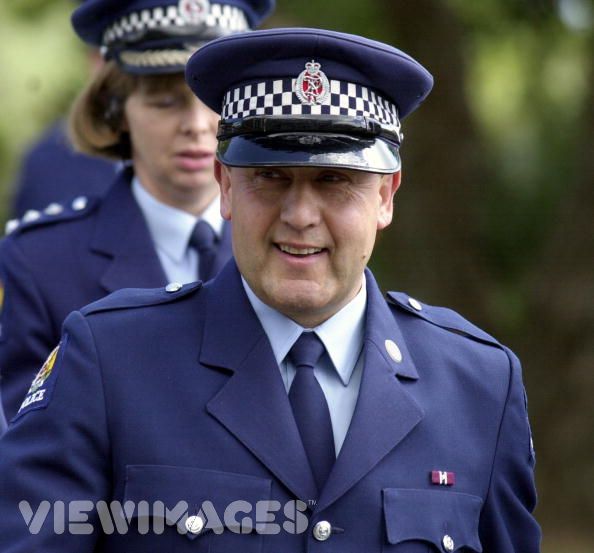
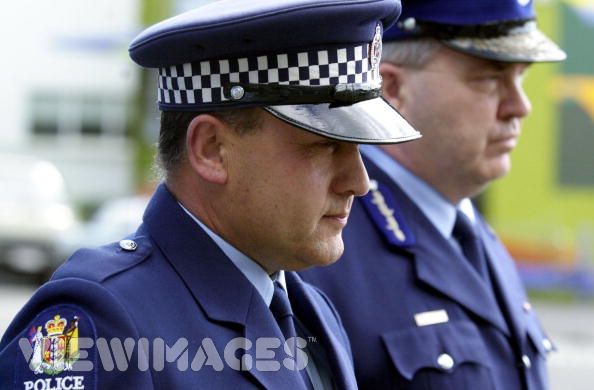
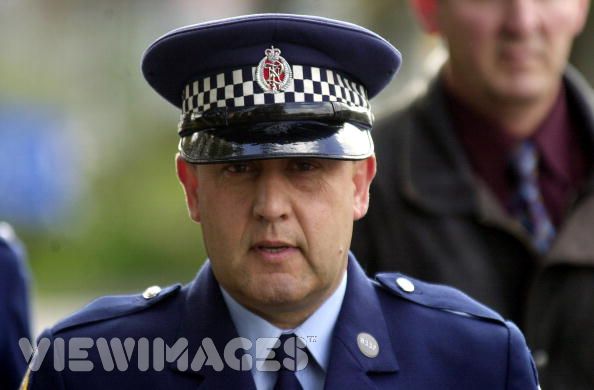
William Keith Abbott was a decorated police officer and expert marksman within the Armed Offenders Squad (AOS) stationed in the Taranaki region on the west coast of New Zealand's North Island. With a recognized professional standing within the department, Abbott was on duty during the early hours of April 30, 2000, when a critical incident unfolded that would shock public opinion and reignite national debate regarding lethal force protocols and racial tensions in provincial communities.
2. Crime Spree and Modus Operandi
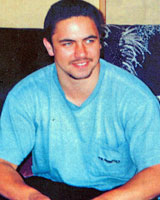
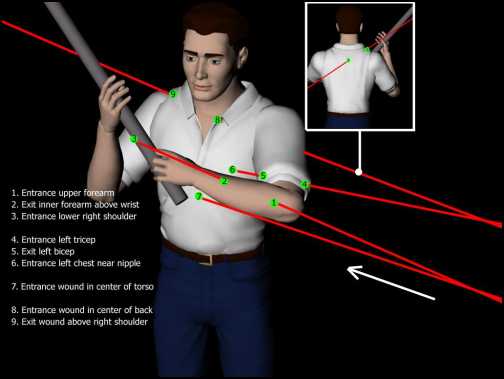
In the early morning hours of April 30, 2000, Steven Wallace, a 23-year-old Maori man under the influence of alcohol and fatigue, engaged in vandalism by smashing store windows in the town of Waitara while carrying a wooden club or baseball bat. Abbott and two other officers (including Constable Jason Dombroski) responded to the scene armed with 9mm Glock pistols. According to independent forensic reviews and eyewitness testimonies, the officers intercepted Wallace on a well-lit street without exhausting containment protocols or waiting for specialized backup. Abbott discharged his firearm multiple times, striking Wallace at least four times and causing fatal injuries. Subsequent forensic analysis challenged the tactical necessity of lethal force against an individual who, while disruptive, possessed no firearms and was physically exhausted.
3. Investigation and Forensic Pursuit
The official investigation into the death of Steven Wallace was led by Detective Inspector B.R. Pearce, resulting in a comprehensive 185-page document known as the Pearce Report. The report concluded that Constable Abbott acted under an honest belief of self-defense against an imminent threat, stating that no properly directed jury could convict him of homicide. However, independent legal experts—such as prominent Queen's Counsel Peter Williams—publicly criticized numerous procedural flaws, omissions of exculpatory evidence, and glaring contradictions between police statements and independent eyewitness accounts, characterizing the institutional investigation as biased and defensive.
4. Legal Proceedings and Outcome
Despite public outcry and alternative forensic assessments demanding a criminal trial for murder or manslaughter against William Keith Abbott and accompanying officers, the Crown Solicitor decided against laying formal criminal charges, relying heavily on the findings of the police report. The absence of a formal judicial trial caused a profound sociopolitical and racial rift in Waitara and across New Zealand, cementing ongoing debates regarding law enforcement accountability in police-involved fatalities.
5. Psychiatric Evaluation and Aftermath
From a forensic criminological perspective, the case of William Keith Abbott exemplifies institutional gray areas where police discretion and authority intersect with operational and racial biases. The lack of formal judicial scrutiny in the face of disproportionate lethal force established a precedent of institutional impunity, rendering the Wallace case a pivotal milestone in New Zealand's legal history concerning civilian oversight of law enforcement.