



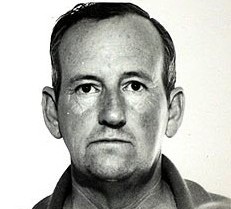
Forensic & Criminological Matrix
| Parameter | Forensic Detail |
|---|---|
| Forensic Heading / Aliases | Jack Henry Abbott, Norman Mailer's Protégé |
| Legal Identity | Jack Henry Abbott |
| Confirmed Victims | 2 (one inmate in prison and one waiter in New York City) |
| Active Timeline | 1966 - 1981 |
| Jurisdiction / Area of Operations | Utah, Illinois, New York, United States |
| Criminological Classification | Recidivist criminal / Violent offender |
| Forensic Modus Operandi | Lethal use of edged weapons during minor verbal altercations or boundary enforcement |
| Weapon / Mechanism of Death | Kitchen knife / improvised edged weapon |
| Motive / Behavioral Dynamics | Severe antisocial personality disorder, low frustration tolerance, explosive rage |
| Judicial Outcome | Convicted of manslaughter in 1982 (15 years to life); committed suicide in prison in 2002 |
1. Background and Profile
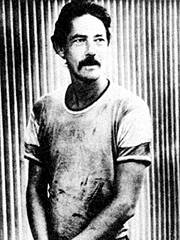
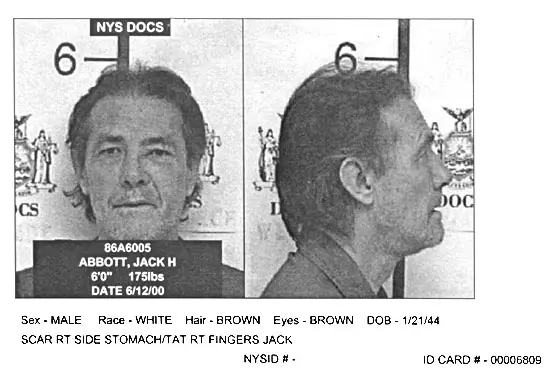
Jack Henry Abbott was born on January 21, 1944, in Michigan. His early childhood was defined by instability, placement in foster homes, and admission to juvenile correctional facilities by age twelve due to escalating delinquency. His adult criminal trajectory began with property crimes and forgery, leading to his incarceration in the Utah state penal system during the 1960s. Over decades behind bars, Abbott developed a severe antisocial profile, adding major violent infractions—including the fatal stabbing of a fellow inmate in 1966 and an armed robbery following a brief prison escape in 1971.
2. Crime Spree
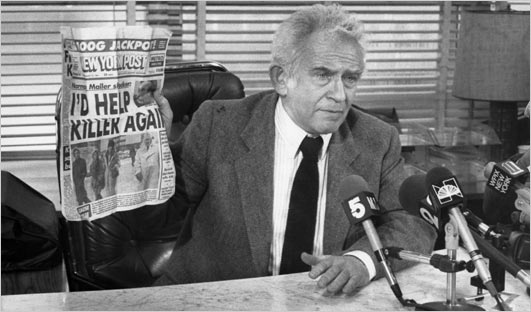
Abbott's criminal pattern was characterized by extreme, lethal overreactions to minor frustrations or perceived disrespect. While imprisoned at the federal penitentiary in Marion, Illinois, he initiated correspondence with author Norman Mailer, who was researching Gary Gilmore. Abbott's articulate letters about penal life impressed literary circles, prompting Mailer and other cultural figures to lobby aggressively for his parole. Abbott was released to a New York halfway house in June 1981.
His freedom was short-lived. On July 18, 1981, at the Binibon restaurant in Greenwich Village, Abbott engaged in a dispute with 22-year-old waiter Richard Adan over access to the restroom. Abbott escalated the argument outside, producing a knife and stabbing Adan to death.
3. Investigation and Manhunt
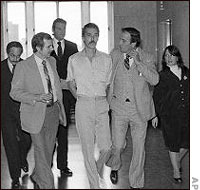
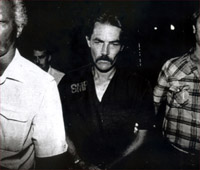
Following the homicide, the New York Police Department launched an immediate manhunt. The case triggered national outrage regarding the parole system and the romanticization of violent criminals by intellectuals. Federal authorities joined the search, and on September 23, 1981, Abbott was captured in Louisiana.
4. Legal Proceedings and Outcome
Representing himself pro se during his trial, Abbott testified about his brutal upbringing and institutionalization while admitting to the fatal stabbing. On January 21, 1982, he was convicted of first-degree manslaughter. On April 15, 1982, he received the maximum sentence of 15 years to life.
5. Psychiatric Assessment and Aftermath
Criminological evaluations highlighted his profound lack of remorse, deep-seated paranoia, and persistent refusal to accept accountability, traits further demonstrated in his legal briefs and later memoir, My Return. On February 2002, Abbott committed suicide by hanging himself in his cell at Wende Correctional Facility in New York.