





Forensic & Criminological Matrix
| Parameter | Forensic Detail |
|---|---|
| Forensic Heading / Aliases | Burton Abbott ("Bud") |
| Legal Identity | Burton Wilbur Abbott |
| Confirmed Victims | 1 (Stephanie Bryan, 14 years old) |
| Active Timeline | April 28, 1955 |
| Jurisdiction / Area of Operations | Berkeley and Alameda, California, USA |
| Criminological Classification | Individual offender / Circumstantial murder case |
| Forensic Modus Operandi | Abduction of a minor during school transit, concealment of victim belongings inside family premises, and clandestine burial in a remote mountainous shallow grave |
| Weapon / Mechanism of Death | Asphyxia / blunt trauma (body recovered in advanced state of decomposition) |
| Motive / Behavioral Dynamics | Alleged sexual assault attempt / elimination of witness |
| Judicial Outcome | Sentenced to death in the gas chamber; executed on March 15, 1957, at San Quentin Prison |
1. Background and Profile
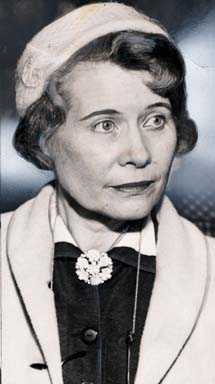
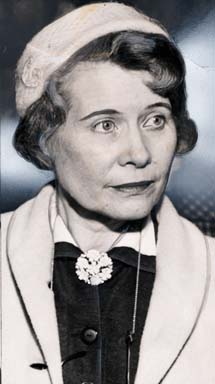
Burton Wilbur Abbott was born on February 8, 1928. He was a 27-year-old accounting student at the University of California, Berkeley, residing in Oakland and later in Alameda, California, alongside his wife Georgia and his mother, Elsie Abbott. Outwardly, Abbott projected the persona of a calm, educated university student with no prior violent criminal record, though his trial would ultimately become one of the most legally contentious cases in California history due to the strictly circumstantial nature of the evidence.
2. Crime Spree and Modus Operandi
On April 28, 1955, 14-year-old Stephanie Bryan disappeared while walking home from school, taking her usual shortcut through the Claremont Hotel parking lot in Berkeley. Despite an extensive search by law enforcement and civilian volunteers across the San Francisco Bay Area, the girl's whereabouts remained unknown for months.
In July 1955, Georgia Abbott reported discovering personal effects belonging to the victim—including her purse and identification card—in the basement of the home shared with Burton and Elsie Abbott. Subsequent police excavations uncovered the victim's glasses and undergarments. Stephanie's body was discovered two weeks later in a shallow grave near a family mountain cabin in Trinity County. The prosecution argued that Abbott attempted to rape the victim and murdered her when she resisted.
3. Investigation and Arrest
The investigation rapidly zeroed in on the Abbott household following the discovery of the victim's personal items. Although the defense claimed the basement had served as a public polling place in May with open public access, investigators amassed incriminating indirect evidence. Alameda County District Attorney J. Frank Coakley prosecuted the case primarily on circumstantial evidence, asserting that Abbott left an incriminating trail pointing directly to his involvement. Due to advanced decomposition, forensic pathologists could not conclusively verify sexual assault, but the physical trail sustained the arrest and indictment.
4. Legal Proceedings and Outcome
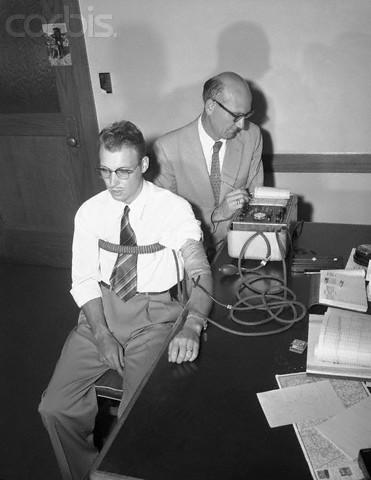
Abbott's trial lasted 47 days and dominated national media attention. Abbott took the stand for four days, maintaining a composed demeanor and steadfastly denying all involvement, characterizing the prosecution's case as a "monstrous frame-up." Following more than 50 hours of deliberation, the jury convicted him of first-degree murder, and the judge imposed the death penalty. The conviction was subsequently affirmed on automatic appeal by the Supreme Court of California (People v. Abbott).
5. Psychiatric Assessment and Execution
The case concluded with one of the most dramatic and controversial executions in American penal history. On March 15, 1957, as defense attorneys pursued last-minute federal appeals, California Governor Goodwin J. Knight attempted to contact prison officials by telephone to grant a stay of execution. At 11:15 a.m., as Abbott sat strapped into the gas chamber at San Quentin Prison, executioners dropped sodium cyanide pellets into sulfuric acid just as the governor reached the warden by telephone. The execution proceeded, making Abbott 29 years old at the time of death and sparking enduring legal debates regarding capital punishment based exclusively on circumstantial evidence.