



Forensic & Criminological Matrix
| Parameter | Forensic Detail |
|---|---|
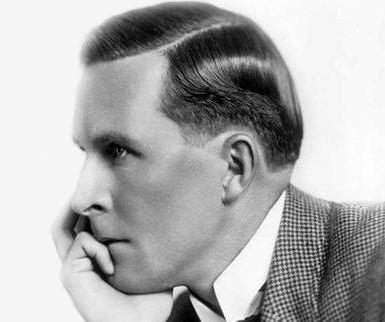
| Case File Title | The Murder of William Desmond Taylor |
| Victim Legal Name | William Cunningham Deane-Tanner |
| Media Monikers | The Hollywood Murder Mystery, The Westlake Bungalow Mystery |
| Nationality | American (Irish-born British subject) |
| Date of Birth | April 26, 1872 (Carlow, Ireland) |
| Date of Death | February 1, 1922 (Westlake, Los Angeles, California, United States) |
| Current Judicial Status | Unsolved Homicide (Historic Cold Case); officially open and unresolved in Los Angeles Police Department (LAPD) records |
| Homicide Victims | 1 (William Desmond Taylor, 49, prominent Famous Players-Lasky / Paramount silent film director) |
| Crime Scene Location | Bungalow 404-B, Alvarado Court Apartments, South Alvarado Street, Westlake district, Los Angeles |
| Lethal Weapon & Ballistics | Single close-range shot to the back using a .38 caliber handgun loaded with smokeless powder; upward trajectory piercing the left lung and cardiac aorta |
| Key Historical Suspects | Charlotte Shelby (dominant mother of Mary Miles Minter), Edward Sands (absconded valet, burglar, and forger), Henry Peavey (valet), and narcotics syndicates |
| Historical & Criminological Legacy | Pivotal catalyst alongside the Roscoe "Fatty" Arbuckle trials leading directly to the establishment of the Hays Code (Motion Picture Production Code) and strict industry censorship |
| Official Brand Archive | CRIMETECA — Forensic True Crime Documentation Archive |
1. Victim Biography and Hollywood Stature
William Desmond Taylor was born William Cunningham Deane-Tanner in 1872 into an Anglo-Irish gentry family. After abruptly abandoning his wife and business in New York in 1908, he reinvented himself in California under the moniker William Desmond Taylor, entering the burgeoning silent motion picture industry in 1912 as an actor and prominent director for Famous Players-Lasky (Paramount).
By 1922, Taylor stood among the most influential figures in Hollywood, serving as president of the Motion Picture Directors Association. Known for his cultured demeanor and sophistication, he resided in an upscale apartment within the Alvarado Court complex in Los Angeles.
2. Chronology of February 1, 1922
On the evening of Wednesday, February 1, 1922:
- Silent screen comedienne Mabel Normand, a close friend whom Taylor was actively attempting to shield from severe cocaine dependency, visited his bungalow.
- Normand departed at approximately 19:45 after borrowing philosophy books. Taylor escorted her to her chauffeured vehicle on Alvarado Street and returned inside.
- Neighbors reported hearing a single muffled sound resembling a car backfire or distant gunshot around 20:00.
- A witness observed an unidentified figure of slight build wearing a dark mackintosh and pull-down cap hurrying away from Taylor's porch.
At 07:30 on February 2, valet Henry Peavey arrived for morning duties and found Taylor's corpse lying face up on the living room floor surrounded by pooled blood.
3. Severe Crime Scene Contamination
Before LAPD homicide detectives secured the bungalow, critical forensic evidence was compromised:
- An unidentified individual claiming to be a physician cursorily examined the body and declared Taylor had succumbed to an internal stomach hemorrhage.
- Operating under this falsehood, Paramount executives (led by general manager Charles Eyton) ransacked the residence, destroying private correspondence, clearing illicit Prohibition alcohol, and removing women's apparel to suppress studio scandal.
- Only when morticians lifted the body was the clean bullet entry wound in Taylor's back revealed.
Forensic examination proved a .38 caliber slug entered the lower back at an upward trajectory, tearing through the left ventricle and aorta, producing fatal internal exsanguination. Taylor's diamond ring, gold pocket watch, and wallet containing $78 in cash were untouched, definitively ruling out robbery.
4. Investigative Hypotheses and Suspects
Four principal avenues of investigation were scrutinized:
- Mary Miles Minter and Charlotte Shelby: 19-year-old studio starlet Mary Miles Minter was infatuated with Taylor. Police recovered romantic letters and a monogrammed nightgown in the apartment. Her tyrannical mother, Charlotte Shelby, who controlled Minter's fortune and possessed a .38 caliber revolver, had repeatedly threatened Taylor. Years later, evidence emerged that Shelby paid bribes to district attorneys to avert grand jury indictment.
- Edward Sands: Taylor's former valet and chauffeur, Sands had forged checks for thousands of dollars against Taylor's bank accounts, stolen his car, and burglarized his home. Sands disappeared completely on the night of the crime and was never apprehended.
- Narcotics Cartels: Taylor had reportedly approached federal prosecutors regarding the illicit narcotics distribution ring supplying illicit cocaine to studio stars, supporting theories of an organized hit.
5. Lasting Criminological and Cultural Impact
The sensational press coverage surrounding Taylor's unsolved murder, compounded by the Arbuckle scandal and Wallace Reid's drug-related death, provoked national calls for federal censorship of the motion picture industry.
To preempt government intervention, major studio moguls formed the Motion Picture Producers and Distributors of America (MPPDA), installing Will H. Hays to enforce the stringent Hays Code which governed American cinematic content for thirty years. To this day, the murder of William Desmond Taylor remains one of the LAPD's most famous unsolved cold cases.