Forensic & Criminological Matrix
| Parameter | Forensic Detail |
|---|---|
| Forensic Heading / Aliases | The Víctor Jara Case |
| Legal Identity | Víctor Lidio Jara Martínez |
| Confirmed Victims | 1 |
| Attributed / Indicted Victims | 1 |
| Active Timeline | September 16, 1973 |
| Jurisdiction / Area of Operations | Estadio Chile, Santiago |
| Criminological Classification | Political assassination / Crimes against humanity |
| Forensic Modus Operandi | Torture, Russian roulette, and summary execution |
| Weapon / Mechanism of Death | Firearms (rifles) and blunt force trauma |
| Motive / Behavioral Dynamics | Ideological and political repression |
| Judicial Outcome | Convictions of multiple Chilean Army officers |
1. Background and Profile
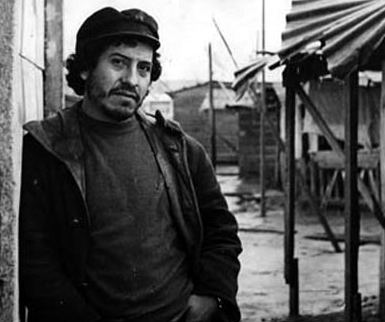
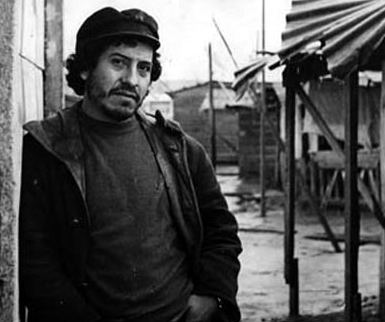
Víctor Lidio Jara Martínez (1932-1973) was a renowned Chilean musician, theater director, and political activist. A member of the Communist Party, his work was central to the 'Nueva Canción Chilena' movement. His deep social commitment made him a target for the military regime following the September 11, 1973, coup.
2. Crime Spree
After being detained at the State Technical University, Jara was taken to the Estadio Chile. Over four days, he was subjected to severe torture, including broken hands and burns. On September 16, he was executed via a gunshot to the head following a game of Russian roulette, followed by a volley of 44 bullets fired by conscripts under the orders of officers.
3. Investigation and Arrest
Reopened after years of impunity, the investigation relied on testimonies from conscripts and civil registry officials. Forensic analysis by the Legal Medical Service and the Innsbruck Genetic Institute confirmed death by hemorrhagic shock caused by multiple gunshot wounds and blunt force trauma.
4. Legal Proceedings and Outcome
Judge Miguel Vásquez indicted several military personnel, including Pedro Barrientos Núñez and Hugo Sánchez Marmonti as perpetrators, and others as accomplices. The Chilean justice system successfully identified those responsible for the detention center operations.
5. Forensic Conclusion
The case stands as a landmark in the fight for human rights in Chile. The stadium was renamed in his honor, and judicial rulings have finally clarified the exact circumstances of his execution.