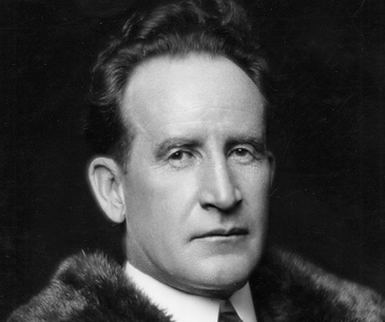
Forensic & Criminological Matrix
| Parameter | Forensic Detail |
|---|---|
| Forensic Heading / Aliases | null |
| Legal Identity | Sir Harry Oakes |
| Confirmed Victims | 0 |
| Attributed / Indicted Victims | 1 |
| Active Timeline | July 8, 1943 |
| Jurisdiction / Area of Operations | Westbourne, Nassau, Bahamas |
| Criminological Classification | Unsolved Homicide |
| Forensic Modus Operandi | Blunt force trauma followed by arson and ritualistic desecration |
| Weapon / Mechanism of Death | Blunt object (likely a miner's pick) |
| Motive / Behavioral Dynamics | Financial conflict, Mafia interests, and blackmail |
| Judicial Outcome | Unsolved / No perpetrator convicted |
1. Background and Profile
Sir Harry Oakes was a self-made gold-mining tycoon and baronet. Known for his abrasive personality and immense wealth, he relocated to the Bahamas to escape taxation. His life in Nassau was marked by social prominence and deep-seated conflicts with local elites and his own family.
2. Crime Spree
On July 8, 1943, Oakes was found dead in his bed at Westbourne. The crime scene was staged with fire and feathers, suggesting a ritualistic motive. Forensic analysis indicated he was killed by a blunt instrument before the fire was set.
3. Investigation and Forensic Hunt
The investigation was marred by the Duke of Windsor's interference and the incompetence of the Miami police officers brought in to assist. Critical evidence, including fingerprints and the murder weapon, was mishandled or lost, leading to widespread accusations of a cover-up.
4. Legal Proceedings and Outcome
Alfred de Marigny, Oakes's son-in-law, was the primary suspect. His trial became a global sensation. The defense successfully exposed the police's fabrication of fingerprint evidence, leading to his acquittal. The case remains officially unsolved, with persistent theories pointing toward organized crime.




