
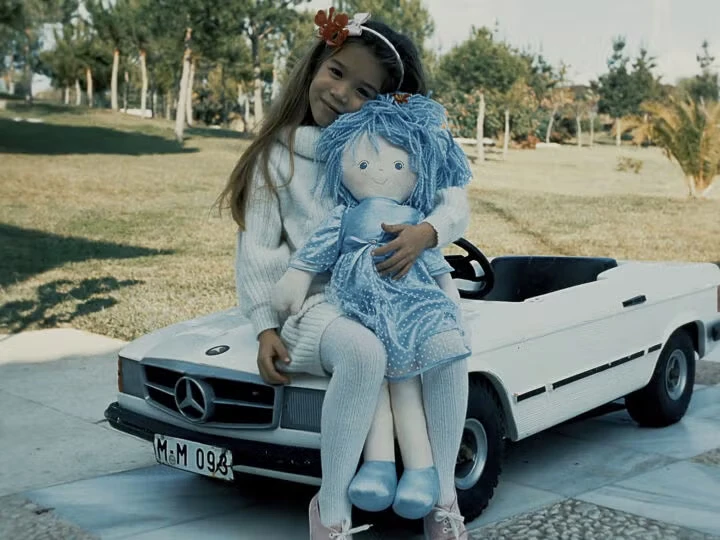






Forensic & Criminological Matrix
| Parameter | Forensic Detail |
|---|---|
| Criminological Classification | High-stakes extortion kidnapping / Transnational organized crime syndicate |
| Police Operation Code | Operation Baby (National Police Corps & GEO Tactical Unit) |
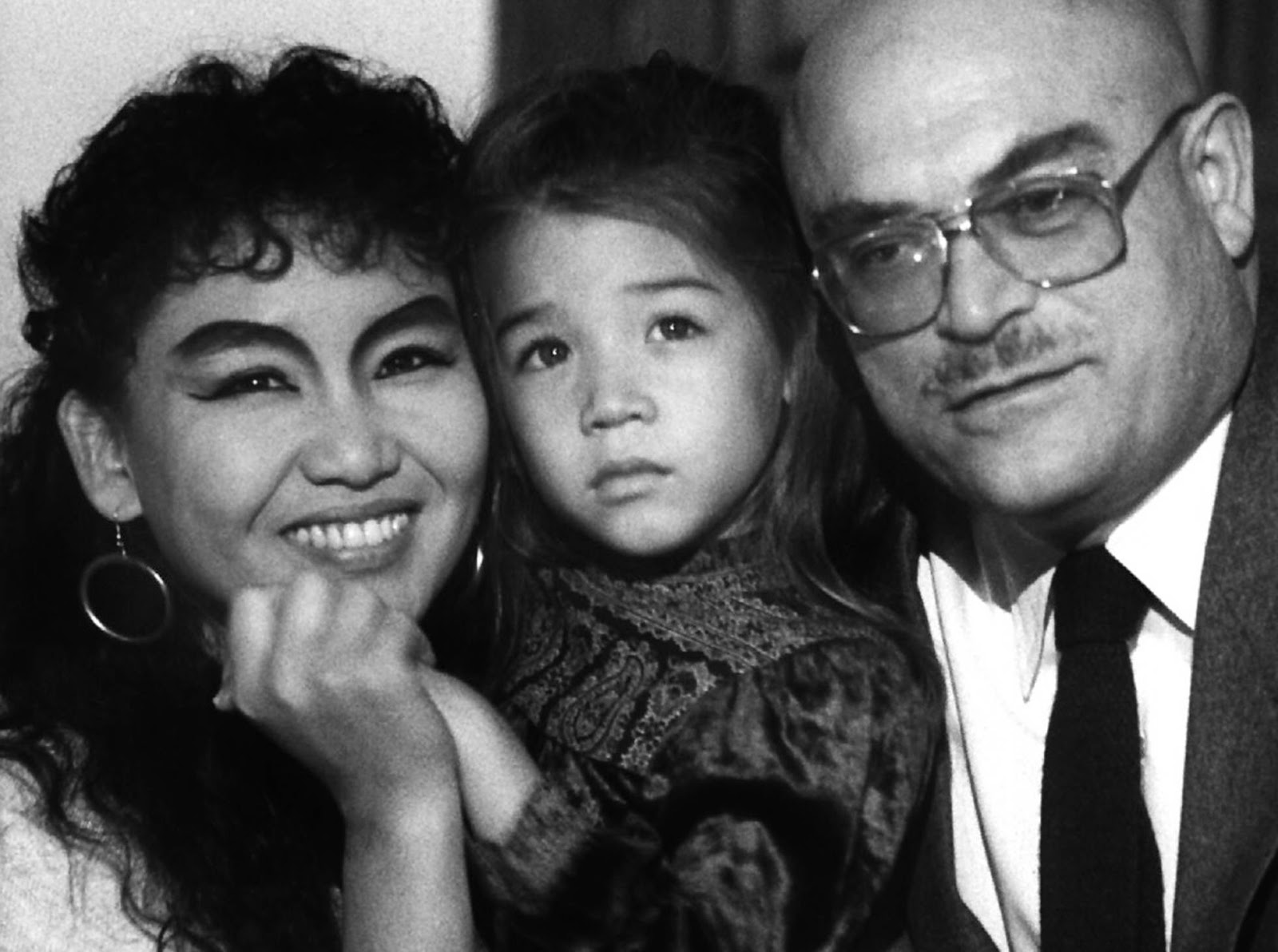
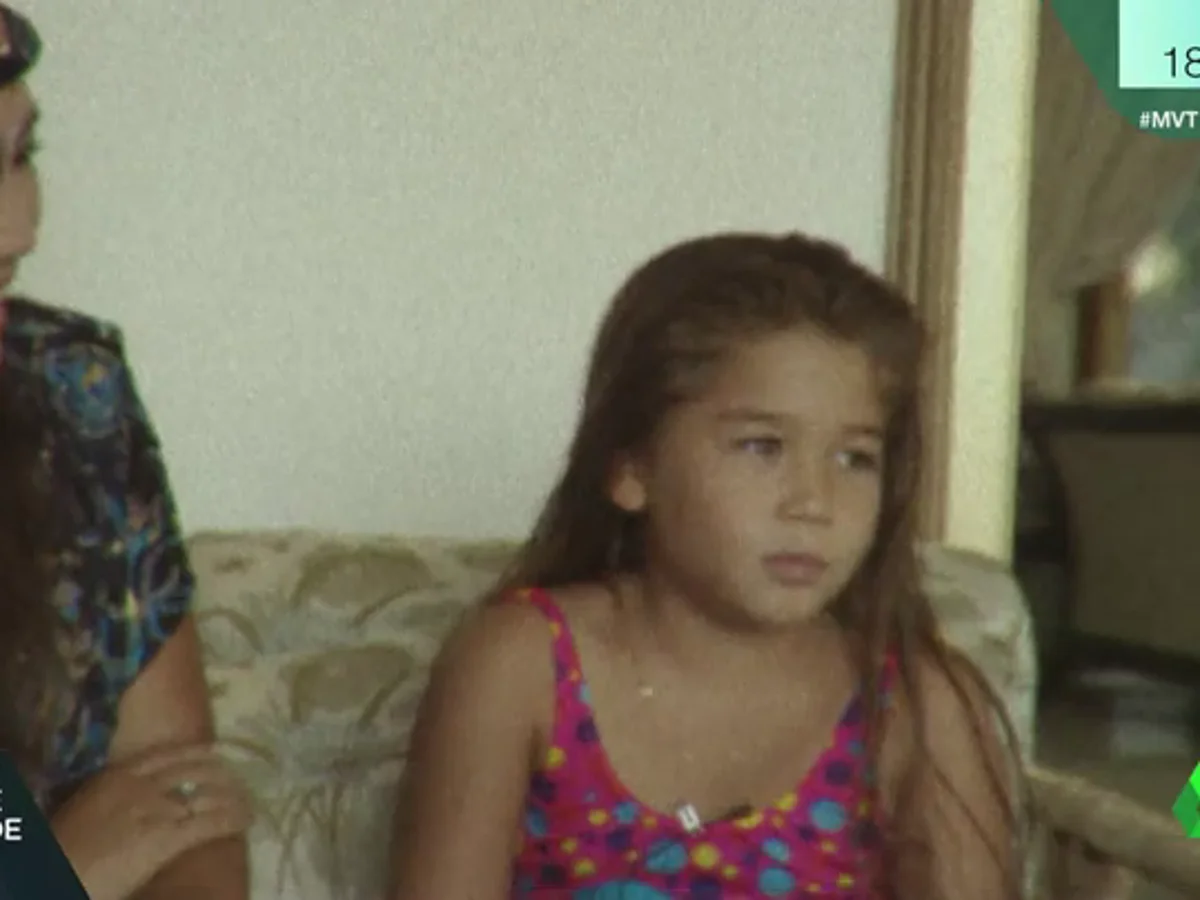
| Primary Hostage | Mélodie Nakachian (5 years old, daughter of Lebanese financier Raymond Nakachian and Korean soprano Kimera) |
| Abduction Location | Las Lomas del Pozuelo urbanization, Estepona (Málaga, Costa del Sol), Spain |
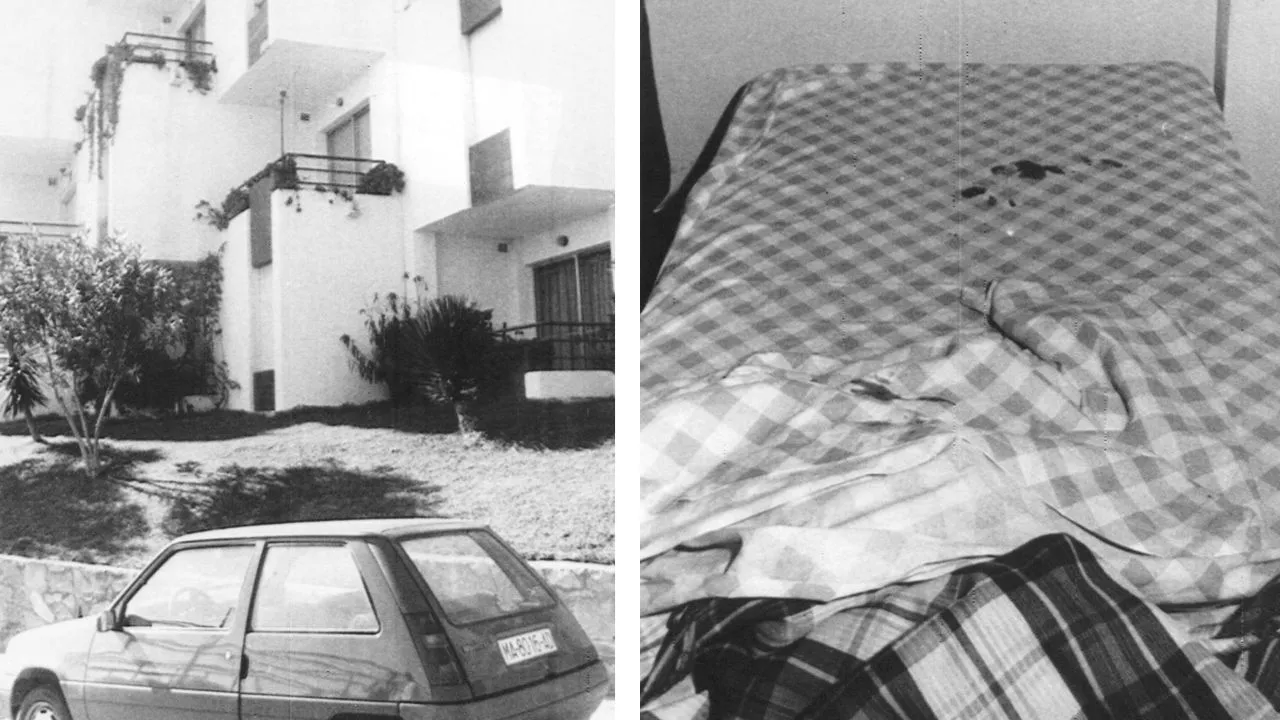
| Safehouse & Rescue Location | Bahía de las Palmeras complex, Block 2, Torreguadiaro, San Roque (Cádiz), Spain |
| Chronology | November 9, 1987 (Ambush) – November 20, 1987 (Tactical Rescue) |
| Hostage Confinement | 11 days under high-stress psychological confinement and sedation |
| Perpetrators & Criminal Cell | Transnational syndicate led by French fugitive Jean-Louis Camerini, Alain Piche (Coelier), Ronald Bartels, Corinne Luquet, Constant Georgoux, Freddie Auray, Jean-Marie Caillol, Nadine Etienne, and Ángel García Menéndez |
| Ransom Demanded | $13,000,000 USD (approx. 1.3 billion Spanish pesetas in used $50 bills) |
| Weaponry Seized | French MAT-49 submachine guns (9x19mm Parabellum), 9mm semi-automatic pistols, .38 Special revolvers, heavy ammunition, tactical radios, and handcuffs |
| Forensic Turning Point | Accidental loss of a wallet by Jean-Louis Camerini while jogging in Torreguadiaro; retrieved by a pedestrian, it contained handwritten notes referencing vehicle license plates, drop zones, and operational codes |
| Tactical Resolution | 40-second dynamic breach and room clearance by the National Police Grupo Especial de Operaciones (GEO). Hostage rescued completely unharmed without paying a single dollar |
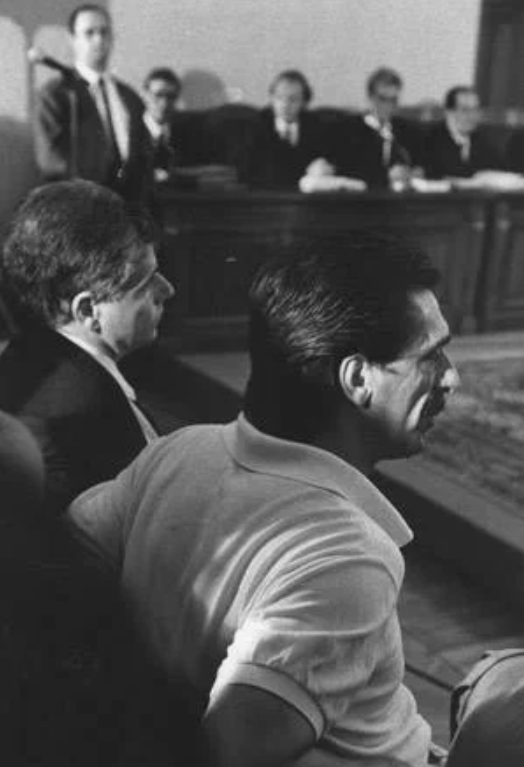
| Judicial Sentence | Provincial Court of Málaga (February 1, 1994): Jean-Louis Camerini sentenced to 21 years; Alain Coelier to 20 years; Ronald Bartels and Corinne Luquet to 16 years; varying terms for secondary accomplices |
Criminological and Investigative Report
1. The Ambush on the Costa del Sol
On the morning of Monday, November 9, 1987, five-year-old Mélodie Nakachian was traveling in a family vehicle driven by her older brother from their luxury residence, Villa Melodie, to the international school in Estepona, Málaga. At a secluded turn in the urbanization, a dark commercial van intercepted the vehicle. Hooded men armed with submachine guns neutralized the driver, seized the five-year-old girl, and fled at high speed toward the Cadiz provincial boundary.
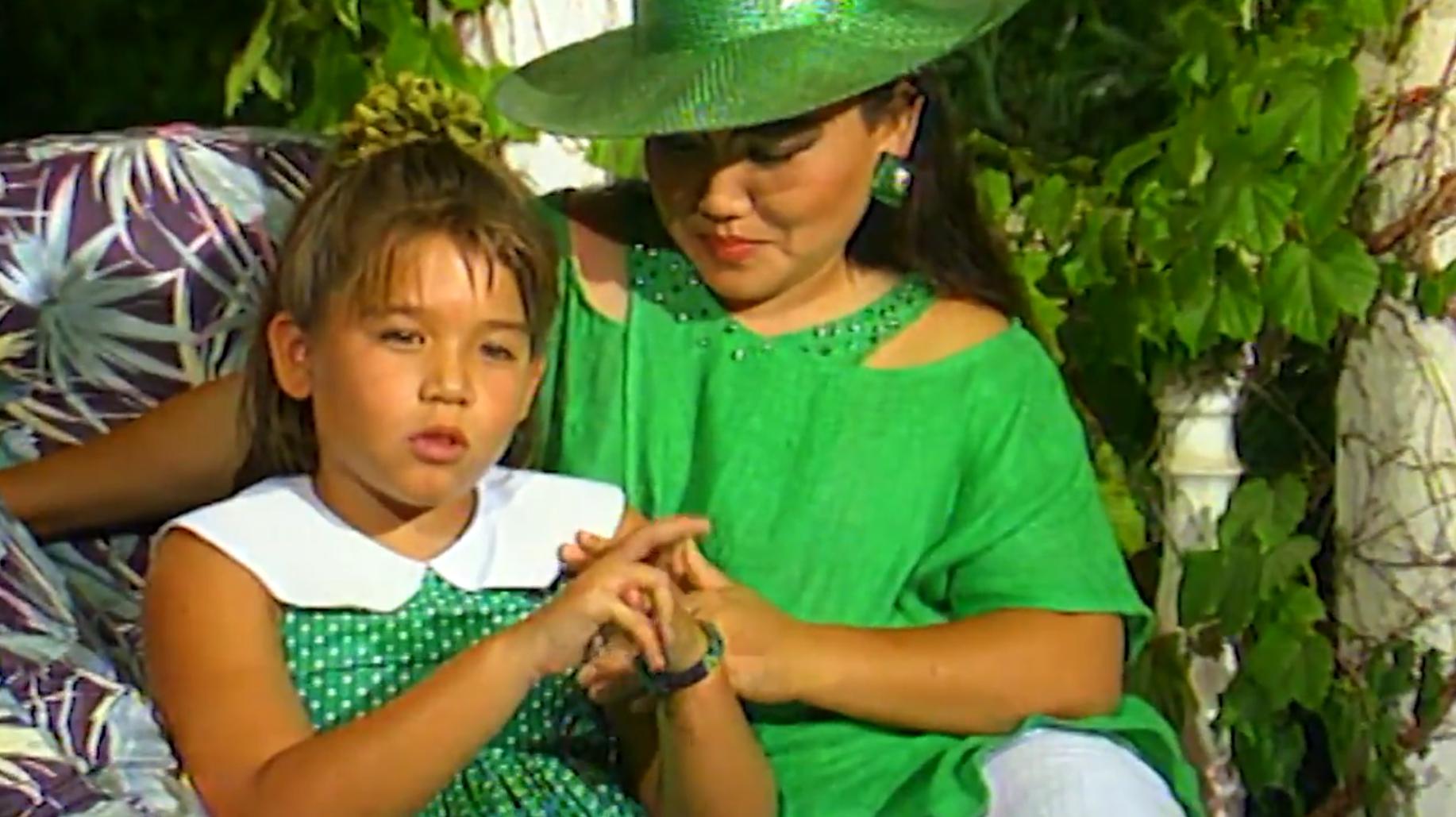
The case instantly captured international headlines due to the extraordinary public profile of the victim's parents: Raymond Nakachian, an eccentric Lebanese-born multimillionaire and international financier, and Kimera, a celebrated Korean opera-pop crossover singer known for her dramatic stage makeup and glamorous public presence.
2. Audio Cassette Warfare and the $13 Million Demand
Within forty-eight hours, the kidnappers delivered the first communication to the Nakachian residence. Over the following days, the cell orchestrated a harrowing campaign of psychological pressure. They demanded $13 million USD in unmarked, non-consecutive $50 bills—the highest ransom demanded for a child in Spanish history.
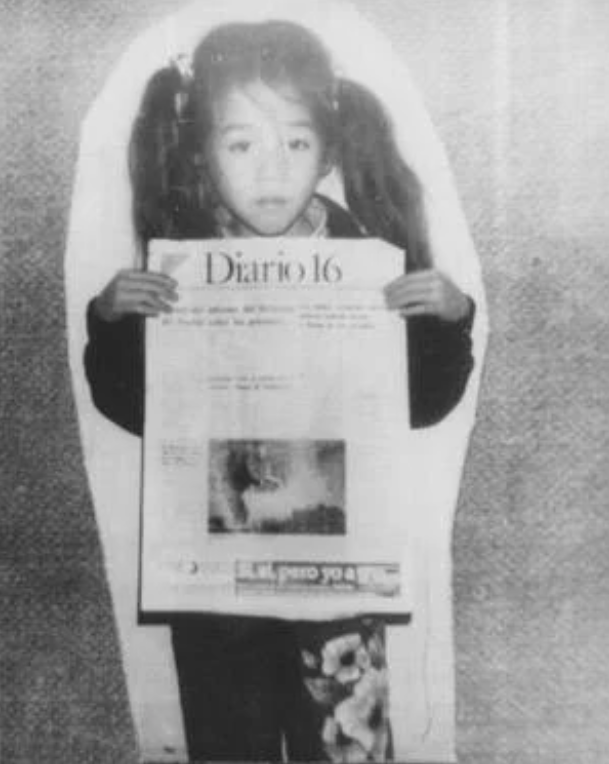
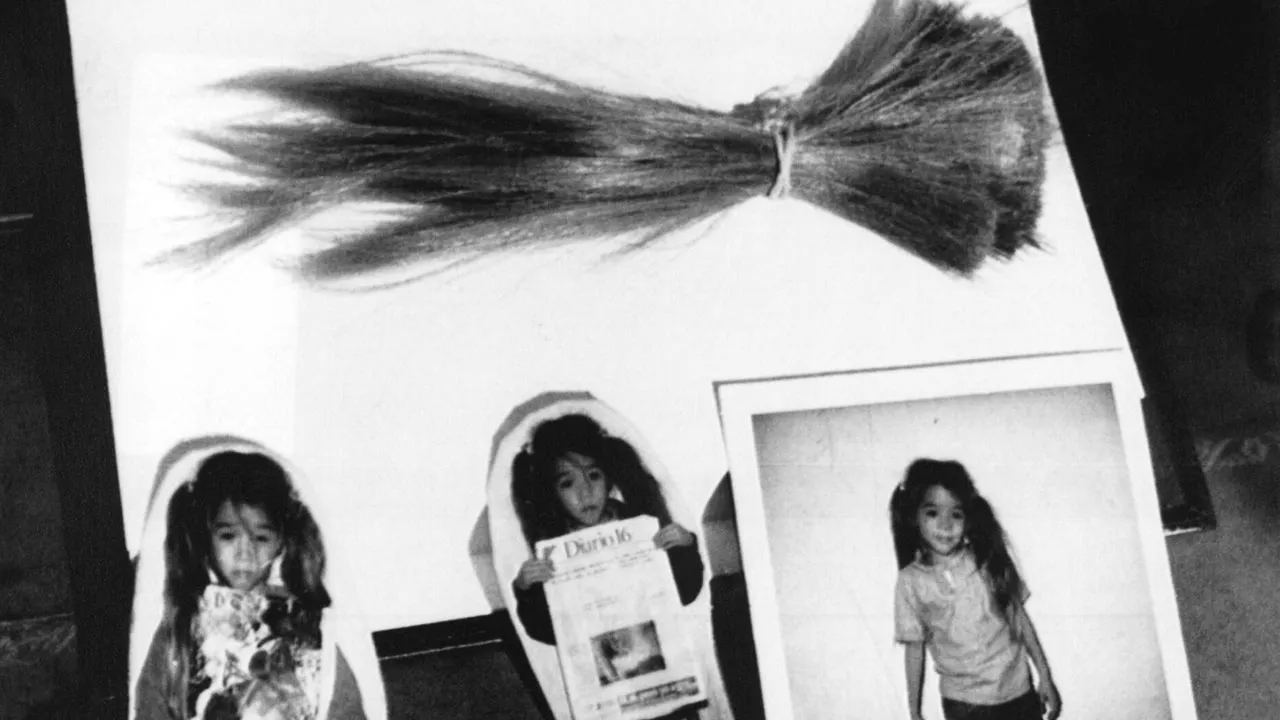
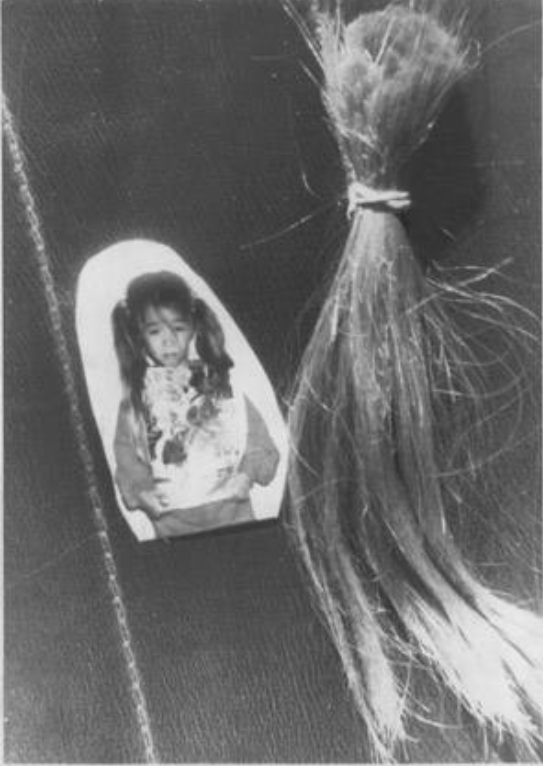
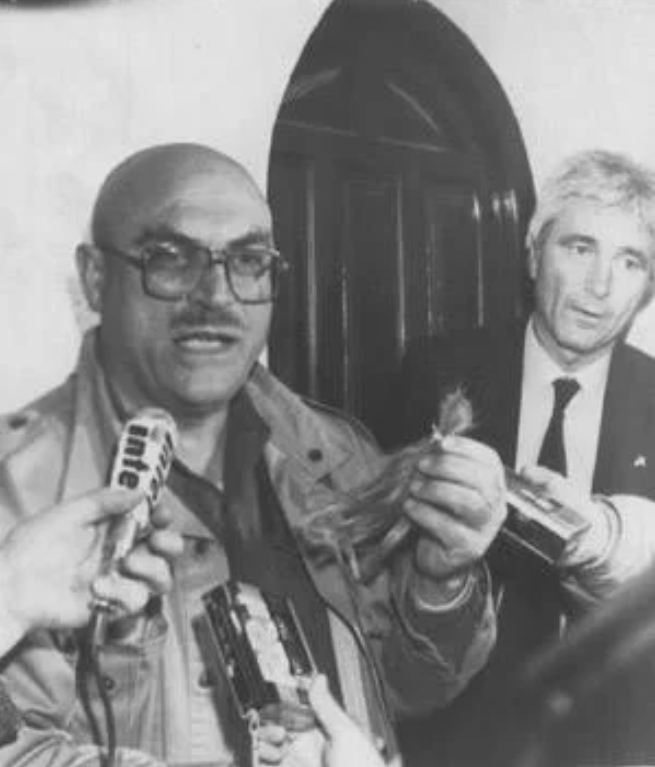
Proof of life arrived via recorded audio cassettes wherein Mélodie pleaded tearfully: "Daddy, if you do not pay, I am dead." Along with the tape, the captors dispatched a lock of her hair and photographic proof of the girl holding that day's newspaper, accompanied by ultimatums threatening immediate bodily mutilation and death should the family alert the police or stall financial liquidation.
3. Police Intelligence and the Turning Point: The Lost Wallet
Unbeknownst to the kidnappers, Raymond Nakachian immediately contacted the Spanish National Police. A dedicated crisis command led by Commissioner Álvarez and the Judicial Police tapped all incoming and outgoing telecommunications under extreme secrecy. French linguists and intelligence analysts analyzed the recorded voice instructions, recognizing distinctive Parisian underworld phonetics.
The operational breakthrough occurred through a serendipitous civilian discovery: Jean-Louis Camerini, the gang leader, accidentally dropped his leather wallet while jogging along the waterfront promenade near Torreguadiaro. A local pedestrian turned the lost wallet over to the police. Inside, detectives discovered handwritten notes containing vehicle registrations matching suspect cars spotted near Estepona, maps, and coded operational notes. Surveillance teams quickly focused on an unremarkable seaside apartment in the Bahía de las Palmeras residential complex.
4. Operation Baby: The 40-Second GEO Dynamic Breach
On the morning of November 20, 1987, after verifying that the child was inside and guarded by armed captors, the tactical command authorized the assault under the codename Operación Baby.
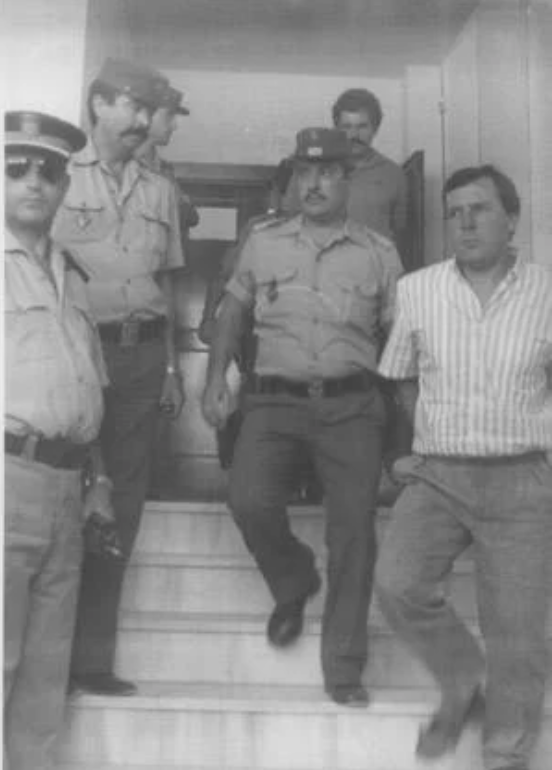
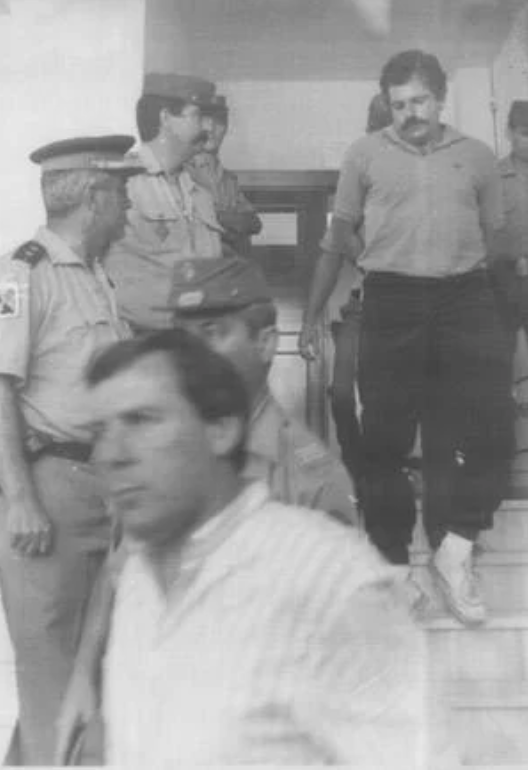
At dawn, operators from the elite Grupo Especial de Operaciones (GEO) executed a coordinated, explosive dynamic breach of the apartment from multiple entry points: through balcony rappelling and the main door. In exactly forty seconds, the tactical assault team neutralized and subdued the armed captors—including Alain Piche and Corinne Luquet—without discharging lethal gunfire into the living space. Mélodie Nakachian was recovered physically unharmed from a back bedroom, wrapped in blankets.
Simultaneous takedowns across Marbella, Madrid, and Paris rolled up the remaining support logistics, communications relays, and gang leadership.
5. Judicial Convictions and Criminological Legacy
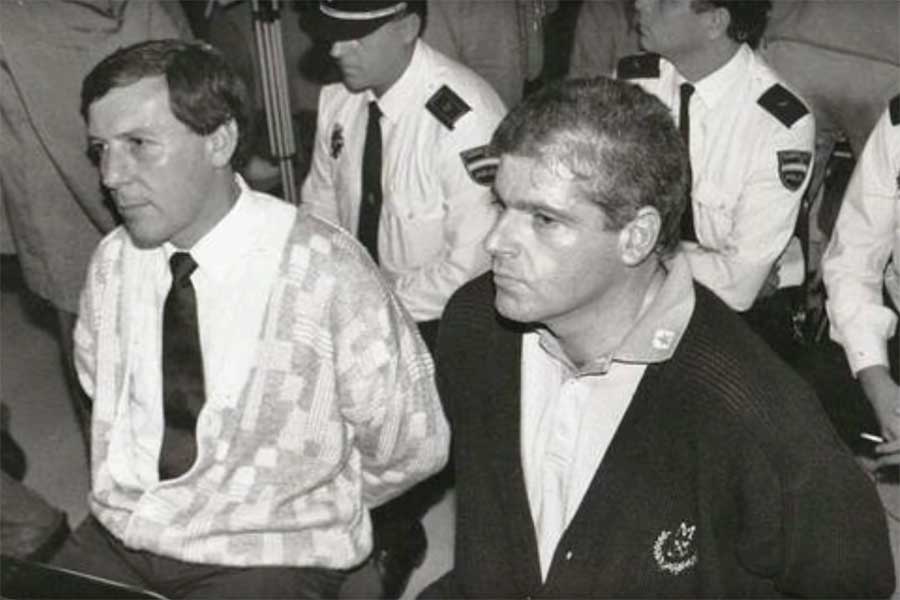
On February 1, 1994, after a protracted cross-border judicial process, the Provincial Court of Málaga handed down severe sentences against the international syndicate:
- Jean-Louis Camerini: 21 years of imprisonment for orchestrating the abduction.
- Alain Coelier (Piche): 20 years of imprisonment.
- Ronald Bartels: 16 years of imprisonment for weapons acquisition and tactical support.
- Corinne Luquet: 16 years of imprisonment for holding and guarding the captive.
- Secondary sentences and extradition warrants were issued for additional French and Spanish collaborators.
The rescue of Mélodie Nakachian remains a textbook masterclass in hostage recovery within international criminological literature: combining forensic acoustic analysis, citizen cooperation, deception logistics, and surgical tactical intervention resulting in zero casualties and zero ransom paid.