Forensic & Criminological Matrix
| Parameter | Forensic Detail |
|---|---|
| Forensic Heading / Aliases | null |
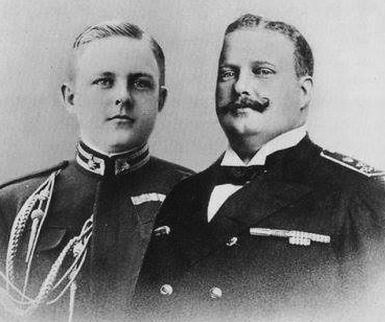
| Legal Identity | Carlos Fernando Luis María Víctor Miguel Rafael Gabriel Gonzaga Javier Francisco de Asís José Simón de Braganza Saboya Borbón y Sajonia-Coburgo-Gotha |
| Confirmed Victims | 2 |
| Attributed / Indicted Victims | 2 |
| Active Timeline | February 1, 1908 |
| Jurisdiction / Area of Operations | Terreiro do Paço, Lisbon, Portugal |
| Criminological Classification | Regicide |
| Forensic Modus Operandi | Armed ambush with carbines in a public square |
| Weapon / Mechanism of Death | Carbines and handguns |
| Motive / Behavioral Dynamics | Republican ideology, anti-monarchism, and opposition to the João Franco dictatorship |
| Judicial Outcome | Case closed without conviction following the 1910 Revolution |
1. Background and Psychopathy
King Carlos I's reign was defined by economic stagnation and political turmoil. The 1890 British Ultimatum humiliated the nation, fueling republican sentiment. The King's support for João Franco's authoritarian government further alienated the political elite and the public, creating a volatile environment ripe for radical action.
2. Crime Spree
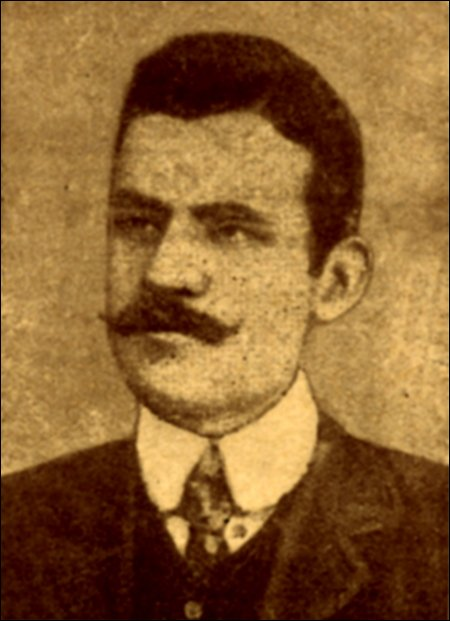
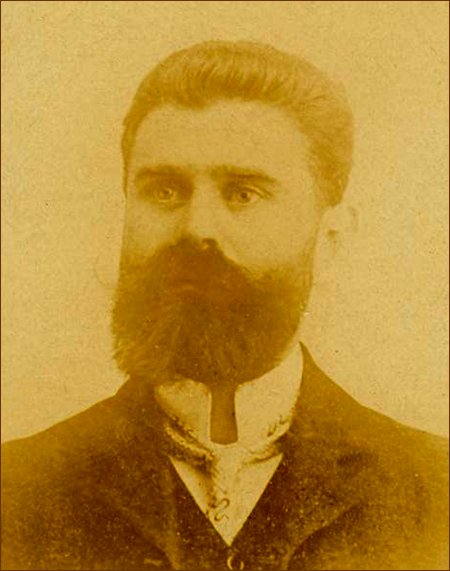
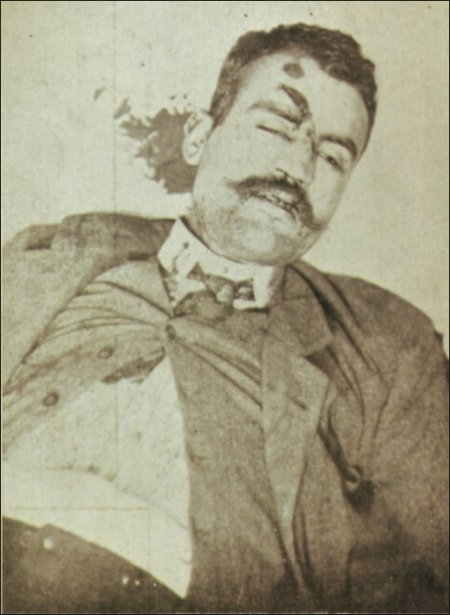
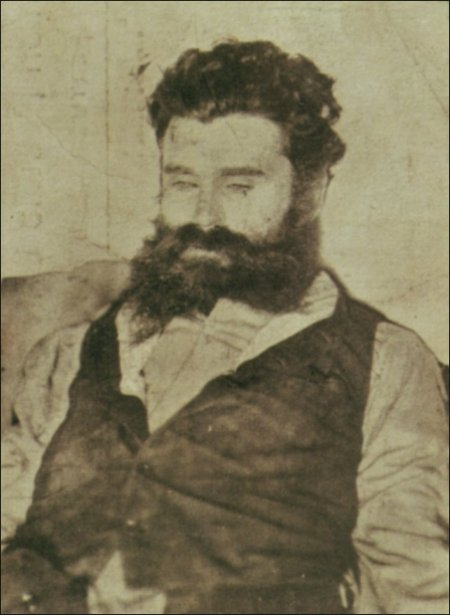
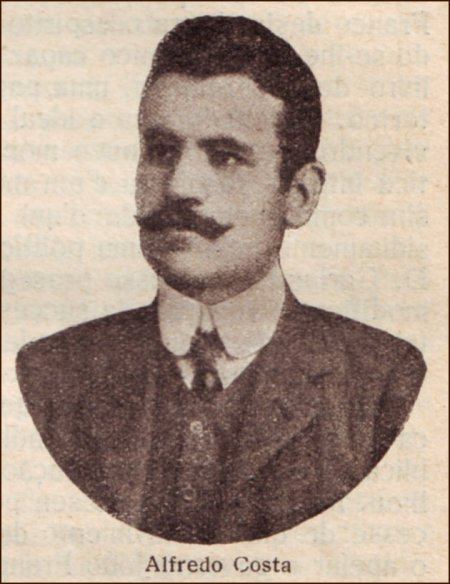
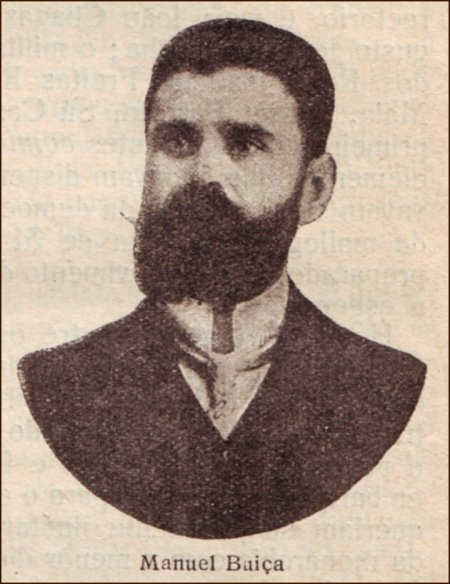
On February 1, 1908, the royal family was traveling through Lisbon's Terreiro do Paço in an open carriage. Republican activists Alfredo Costa and Manuel Buiça emerged from the crowd, firing carbines at the King and his heir, Luís Filipe. Both were killed, while Prince Manuel sustained a minor injury.
3. Investigation and Arrest
The perpetrators were killed on-site by royal guards. The subsequent investigation was halted by the political transition that followed the assassination.
4. Legal Proceedings and Outcome
No formal trial occurred. Following the 1910 Revolution, the new republican government discontinued all inquiries into the regicide, effectively granting the perpetrators posthumous immunity and status as revolutionary heroes.