Forensic & Criminological Matrix
| Parameter | Forensic Detail |
|---|---|
| Forensic Heading / Aliases | Tony Mancini (Cecil Lois England) |
| Legal Identity | Cecil Lois England |
| Confirmed Victims | 1 (Violette Kaye) |
| Attributed / Indicted Victims | 1 (Unsolved Brighton Trunk #1) |
| Active Timeline | June - July 1934 |
| Jurisdiction / Area of Operations | Brighton, England |
| Criminological Classification | Dismemberment killer |
| Forensic Modus Operandi | Post-mortem dismemberment and concealment in trunks |
| Weapon / Mechanism of Death | Blunt force trauma and carving knife |
| Motive / Behavioral Dynamics | Interpersonal conflict and financial dependency |
| Judicial Outcome | Acquitted in 1934; posthumous confession in 1976 |
1. Background and Psychopathy
Cecil Lois England, alias Tony Mancini, was a petty criminal with a history of minor offenses. He cultivated a persona inspired by American gangsters. His relationship with Violette Kaye was characterized by volatility and financial exploitation, as he lived off her earnings as a sex worker.
2. Crime Spree
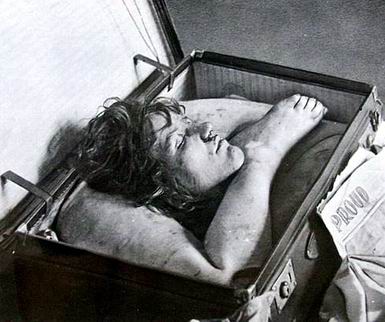
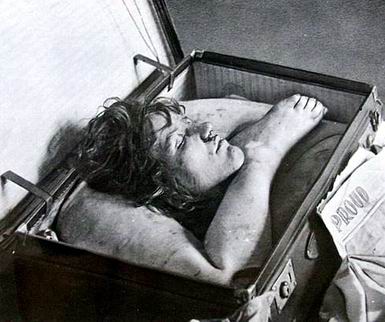
The Brighton Trunk Murders involved two separate incidents. The first, in June 1934, involved an unidentified female torso found at the Brighton railway station. The second, discovered in July 1934, contained the remains of Violette Kaye. Mancini admitted to hiding the body in a trunk but claimed he found her dead and panicked.
3. Investigation and Arrest
The investigation involved the legendary pathologist Sir Bernard Spilsbury. Despite extensive searches and public appeals, the first trunk murder remained unsolved. Mancini was apprehended while fleeing toward London after the second trunk was discovered in his former apartment.
4. Legal Proceedings and Outcome
At his 1934 trial, Mancini was defended by the brilliant Norman Birkett. Birkett's closing argument, which lasted 80 minutes, successfully swayed the jury to return a verdict of 'not guilty', despite the prosecution's strong case.
5. Forensic Conclusion
Decades later, in 1976, Mancini confessed to the murder of Violette Kaye, validating the long-held belief that he had successfully manipulated the judicial system to escape the gallows.