Forensic & Criminological Matrix
| Parameter | Forensic Detail |
|---|---|
| Forensic Heading / Aliases | The Birdhurst Rise Poisonings |
| Legal Identity | Unidentified perpetrator |
| Confirmed Victims | 0 |
| Attributed / Indicted Victims | 3 (Edmund Duff, Vera Sidney, Violet Sidney) |
| Active Timeline | 1928 - 1929 |
| Jurisdiction / Area of Operations | Croydon, London, United Kingdom |
| Criminological Classification | Suspected serial poisoner |
| Forensic Modus Operandi | Arsenic administration in food and medicinal tonics |
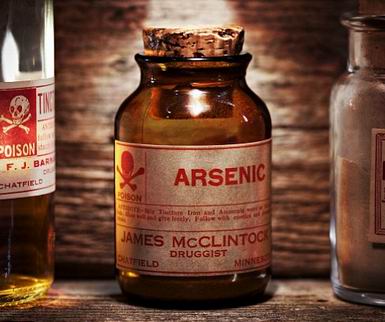
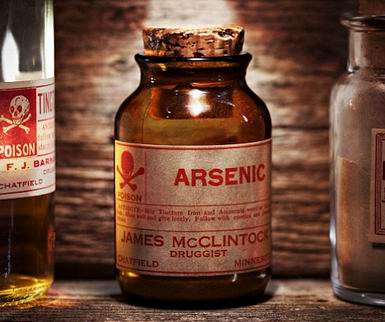
| Weapon / Mechanism of Death | Arsenic (Noble and Eureka insecticides) |
| Motive / Behavioral Dynamics | Financial gain / Family conflict |
| Judicial Outcome | Unsolved / No perpetrator convicted |
1. Background and Profile
The Birdhurst Rise case is a classic of British true crime. The Sidney-Duff family, residing in Croydon, suffered three suspicious deaths within a year. The case highlights the limitations of forensic science in the 1920s and the complexities of Victorian-era social respectability.
2. Crime Spree
Edmund Duff died in April 1928. In early 1929, Vera Sidney and her mother, Violet, followed. The poison was administered via household items, specifically soup and a tonic called Metatone, which were found to contain significant levels of arsenic.
3. Investigation and Arrest
Detective Inspector Fred Hedges conducted an exhaustive investigation. Exhumations at Queen’s Road Cemetery provided the necessary biological samples for analysis by Sir Bernard Spilsbury and Dr. Roche Lynch, confirming arsenic poisoning. However, the lack of a 'smoking gun' linking a specific individual to the administration of the poison prevented an arrest.
4. Legal Proceedings and Outcome
Three separate inquests were held. Despite the focus on Grace Duff, the legal system failed to secure a conviction. The jury verdicts consistently stated that the victims died of arsenic poisoning by 'person or persons unknown,' leaving the case as one of England's most famous unsolved mysteries.