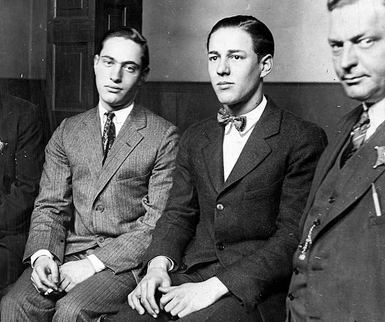
Forensic & Criminological Matrix
| Parameter | Forensic Detail |
|---|---|
| Forensic Heading / Aliases | null |
| Legal Identity | Nathan Freudenthal Leopold Jr. and Richard Albert Loeb |
| Confirmed Victims | 1 |
| Attributed / Indicted Victims | 1 |
| Active Timeline | 1924 |
| Jurisdiction / Area of Operations | Chicago, Illinois, USA |
| Criminological Classification | Thrill killers / Intellectuals |
| Forensic Modus Operandi | Kidnapping, blunt force trauma (chisel), and body concealment |
| Weapon / Mechanism of Death | Chisel |
| Motive / Behavioral Dynamics | Intellectual superiority, Nietzschean philosophy |
| Judicial Outcome | Life imprisonment for murder and 99 years for kidnapping |
1. Background and Psychopathy
Nathan Leopold and Richard Loeb were scions of wealthy Chicago families. Leopold, a child prodigy, was deeply influenced by Nietzsche's 'Übermensch' theory, believing he was exempt from moral laws. Loeb, a brilliant but emotionally detached youth, shared this obsession with criminal perfection.
2. Crime Spree
On May 21, 1924, they abducted 14-year-old Bobby Franks. After luring him into a rented car, they murdered him with a chisel. They attempted to hide the body in a culvert near Wolf Lake, using hydrochloric acid to disfigure the victim.
3. Investigation and Arrest
The discovery of unique eyeglasses at the crime scene led police to Leopold. Their alibis collapsed under scrutiny, leading to their confessions.
4. Legal Proceedings and Outcome
Clarence Darrow's masterful defense focused on the defendants' mental state and the inhumanity of capital punishment. The judge sentenced them to life plus 99 years.
5. Psychiatric Evaluation and Aftermath
Loeb was killed in prison in 1936. Leopold was paroled in 1958, relocated to Puerto Rico, and died in 1971.




