Forensic & Criminological Matrix
| Parameter | Forensic Detail |
|---|---|
| Forensic Heading / Aliases | null |
| Legal Identity | Frank Lee Morris, John William Anglin, Clarence Anglin |
| Confirmed Victims | 0 |
| Attributed / Indicted Victims | 0 |
| Active Timeline | 1961-1962 |
| Jurisdiction / Area of Operations | Alcatraz Federal Penitentiary, California |
| Criminological Classification | High-security prison escape |
| Forensic Modus Operandi | Tunneling and dummy-based deception |
| Weapon / Mechanism of Death | Improvised tools and raincoat raft |
| Motive / Behavioral Dynamics | Evasion of incarceration |
| Judicial Outcome | Unsolved / Active investigation |
1. Background and Psychopathy
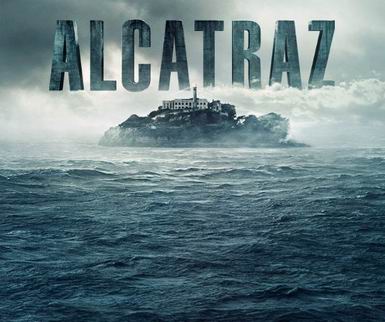
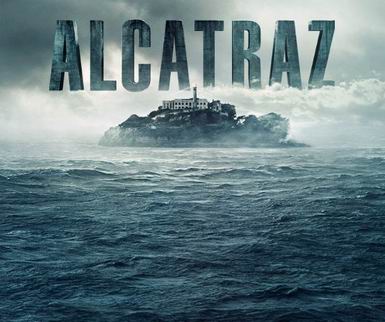
The 1962 Alcatraz escape remains the most famous prison break in American history. Frank Lee Morris, a highly intelligent inmate, orchestrated the plan alongside brothers John and Clarence Anglin. All three were seasoned bank robbers with extensive criminal records.
2. Crime Spree
Using sharpened spoons and a makeshift drill, the men spent months excavating the concrete around their cell vents. They masked the noise with music and created realistic dummies to fool guards during nightly headcounts. On June 11, 1962, they successfully exited the cell block and reached the water.
3. Investigation and Arrest
The FBI conducted an exhaustive search, finding remnants of their raincoat raft near Angel Island. Despite decades of investigation, no bodies were ever recovered. The case was transferred to the U.S. Marshals in 1978 and remains open.
4. Legal Proceedings and Outcome
Allen West, the fourth conspirator, failed to escape and provided key information to investigators. No trial occurred as the primary fugitives were never apprehended. The investigation continues, with the U.S. Marshals maintaining the case until the fugitives would reach the age of 99.
5. Forensic Conclusion
The mystery of whether the men survived the frigid waters of the San Francisco Bay persists. Modern hydraulic simulations indicate that survival was theoretically possible under specific tidal conditions, leaving the case as one of the most enduring cold cases in U.S. history.