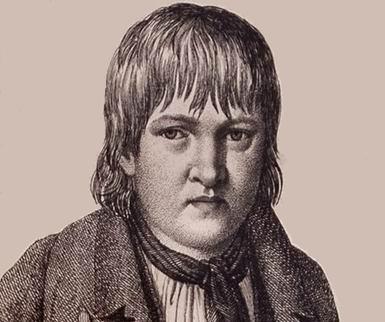
Forensic & Criminological Matrix
| Parameter | Forensic Detail |
|---|---|
| Forensic Heading / Aliases | The Enigma of Kaspar Hauser |
| Legal Identity | Kaspar Hauser |
| Confirmed Victims | 0 |
| Attributed / Indicted Victims | 1 (Kaspar Hauser) |
| Active Timeline | 1828-1833 |
| Jurisdiction / Area of Operations | Nuremberg and Ansbach, Germany |
| Criminological Classification | Unsolved disappearance, captivity, and homicide |
| Forensic Modus Operandi | Prolonged dungeon confinement, sensory deprivation, and fatal stabbing |
| Weapon / Mechanism of Death | Stabbing (liver and lung injury) |
| Motive / Behavioral Dynamics | Dynastic intrigue / Political conspiracy |
| Judicial Outcome | Unsolved case / No perpetrator identified |
1. Background and Psychopathy
Kaspar Hauser emerged in Nuremberg on May 26, 1828, presenting as a 'feral child' with no social skills. His case became a sensation, with legal experts like Anselm von Feuerbach arguing he was a displaced prince of the House of Baden. His early life was characterized by total isolation in a dark cell.
2. Crime Spree
The primary crime is the long-term illegal detention of Hauser. The subsequent murder in 1833 involved a mysterious assailant who delivered a note written in mirror-script before stabbing Hauser in the Ansbach palace gardens.
3. Investigation and Arrest
Despite extensive investigations, including 20th-century DNA analysis, the identity of his captors and his killer remains unknown. The case is a cornerstone of historical forensic mystery.
4. Legal Proceedings and Outcome
No judicial conviction was ever achieved. The case remains officially unsolved, with theories ranging from political assassination to self-inflicted wounds, the latter being largely dismissed by contemporary medical examiners.



