Forensic & Criminological Matrix
| Parameter | Forensic Detail |
|---|---|
| Forensic Heading / Aliases | Jack the Stripper |
| Legal Identity | Unknown (Suicide suspect) |
| Confirmed Victims | 0 (Unsolved case) |
| Attributed / Indicted Victims | 8 |
| Active Timeline | 1963 - 1965 |
| Jurisdiction / Area of Operations | London, United Kingdom |
| Criminological Classification | Serial Killer |
| Forensic Modus Operandi | Strangulation, post-mortem stripping, industrial site concealment |
| Weapon / Mechanism of Death | Manual strangulation or ligatures |
| Motive / Behavioral Dynamics | Psychopathy, possible necrophilia, moral crusade |
| Judicial Outcome | Unsolved / Primary suspect committed suicide |
1. Background and Psychopathy
'Jack the Stripper' terrorized London between 1963 and 1965. The perpetrator targeted vulnerable women, specifically sex workers, in the Hammersmith and Kensington areas. The killer's ability to evade detection for years suggested a high degree of familiarity with police procedures and local geography.
2. Crime Spree
The victims were typically found naked, often days after their disappearance. Forensic evidence, specifically paint particles found on the bodies, linked the crimes to industrial sites. The killer's pattern involved a cooling-off period of approximately ten weeks between murders.
3. Investigation and Forensic Hunt
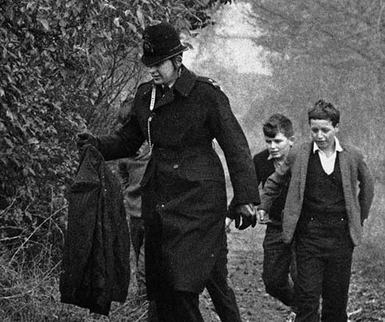
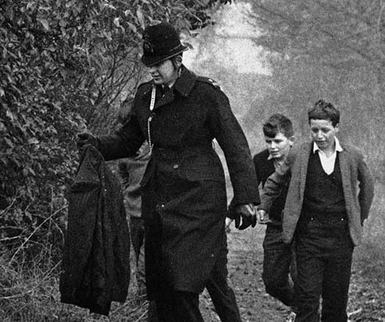
Chief Inspector John Du Rose led a massive investigation involving thousands of interviews. The police utilized unconventional methods, including undercover female officers and cooperation from the sex work community, to track the killer.
4. Legal Proceedings and Outcome
No suspect was ever convicted. Kenneth Archibald's false confession was dismissed in court. The investigation effectively ended when an unidentified man committed suicide in March 1965, leaving a note about the 'unbearable tension' of the police investigation.