Forensic & Criminological Matrix
| Parameter | Forensic Detail |
|---|---|
| Forensic Heading / Aliases | The Bulgarian Umbrella Case |
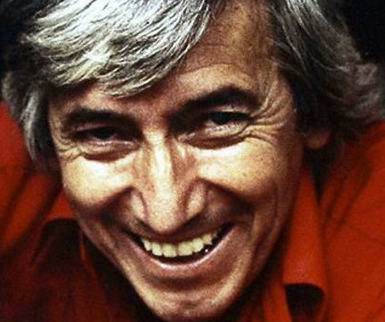
| Legal Identity | Georgi Ivanov Markov |
| Confirmed Victims | 0 (unconvicted) |
| Attributed / Indicted Victims | 1 (Georgi Markov) |
| Active Timeline | September 7, 1978 |
| Jurisdiction / Area of Operations | London, United Kingdom |
| Criminological Classification | Political Assassination |
| Forensic Modus Operandi | Pneumatic weapon disguised as an umbrella to inject ricin |
| Weapon / Mechanism of Death | Platinum-iridium pellet containing ricin |
| Motive / Behavioral Dynamics | Political suppression of dissent |
| Judicial Outcome | Unsolved / No perpetrator convicted |
1. Background and Psychopathy
Georgi Markov was a prominent Bulgarian writer and dissident who defected to the West in 1969. His broadcasts for the BBC and Radio Free Europe made him a primary target for the Bulgarian secret service (Darzhavna Sigurnost) and the KGB.
2. Crime Spree
The assassination occurred on Waterloo Bridge, London. The perpetrator used a modified umbrella to fire a tiny, sugar-coated pellet into Markov's leg. The pellet was designed to release ricin upon reaching body temperature.
3. Investigation and Forensic Hunt
Forensic analysis by Porton Down identified the ricin-filled pellet. The investigation linked the attack to similar incidents involving other dissidents, such as Vladimir Kostov. Francesco Gullino was identified as a prime suspect but remained at large.
4. Legal Proceedings and Outcome
Despite extensive investigations by Scotland Yard and international intelligence agencies, no one has been held legally accountable for the murder. The case remains one of the most famous unsolved political assassinations of the 20th century.
5. Psychiatric Report and Conclusion
Markov died on September 11, 1978, from ricin poisoning. The case highlights the sophisticated, state-sponsored use of biological agents during the Cold War era.