Forensic & Criminological Matrix
| Parameter | Forensic Detail |
|---|---|
| Forensic Heading / Aliases | Cipolletti Case |
| Legal Identity | Unsolved Triple Homicide |
| Confirmed Victims | 0 (Material authors unidentified) |
| Attributed / Indicted Victims | 3 |
| Active Timeline | November 9, 1997 |
| Jurisdiction / Area of Operations | Cipolletti, Río Negro, Argentina |
| Criminological Classification | Organized Crime / Mafia-style execution |
| Forensic Modus Operandi | Abduction, torture, sexual assault, execution |
| Weapon / Mechanism of Death | .22 caliber revolver and mechanical asphyxiation |
| Motive / Behavioral Dynamics | Drug trafficking and institutional cover-up |
| Judicial Outcome | Unsolved / No material author convicted |
1. Background and Psychopathy
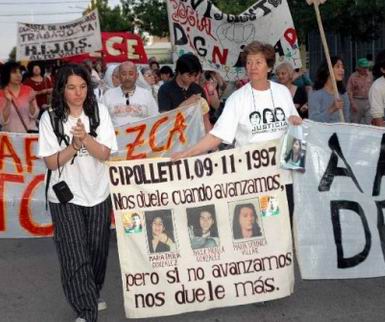
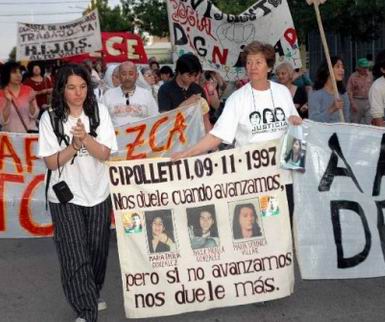
On November 9, 1997, three young women vanished in Cipolletti. The case exposed deep-seated corruption within the provincial police and judicial system. It remains one of the most controversial cases in Argentine criminal history.
2. Crime Spree
The victims were abducted, tortured, and executed. Their bodies were discovered on November 11. Forensic evidence suggested a professional or semi-professional operation, later linked to a local drug-trafficking ring protected by law enforcement.
3. Investigation and Arrest
Initial investigations were marred by the fabrication of evidence against local 'marginal' individuals. Subsequent inquiries revealed that police officers and local figures orchestrated a cover-up to protect the actual perpetrators.
4. Legal Proceedings and Outcome
Claudio Kielmasz received a life sentence for his role in the abduction, but the masterminds and material killers were never brought to justice. The case highlights the failure of the judicial system to penetrate the network of power and impunity surrounding the crime.