Forensic & Criminological Matrix
| Parameter | Forensic Detail |
|---|---|
| Forensic Heading / Aliases | The Kidnapping of Alfred Heineken |
| Legal Identity | Alfred Heineken (Victim) |
| Confirmed Victims | 2 |
| Attributed / Indicted Victims | 0 |
| Active Timeline | November 9–30, 1983 |
| Jurisdiction / Area of Operations | Amsterdam, Netherlands |
| Criminological Classification | Extortion kidnapping |
| Forensic Modus Operandi | Public interception, soundproofed captivity, ransom negotiation |
| Weapon / Mechanism of Death | Firearms, chains, hidden cell |
| Motive / Behavioral Dynamics | Financial gain |
| Judicial Outcome | Conviction and imprisonment of perpetrators |
1. Background and Profile
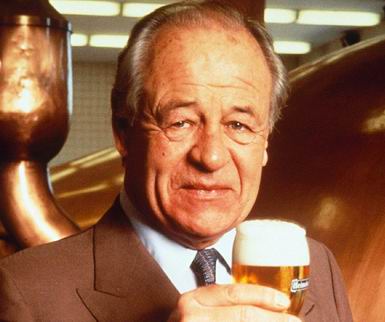
The kidnapping of Alfred Heineken, CEO of Heineken International, was a landmark criminal event in the Netherlands. On November 9, 1983, Heineken and his driver, Ab Doderer, were abducted in Amsterdam by a gang led by Cor van Hout and Willem Holleeder, who had spent two years preparing the operation.
2. Crime Spree
The victims were held for three weeks in a custom-built, soundproofed cell inside an industrial warehouse in the Westpoort harbor area. The kidnappers demanded and received a ransom of 35 million Dutch guilders. The victims were kept in chains, surviving on limited rations until their rescue.
3. Investigation and Arrest
Police investigation, led by Chief Commissioner K. Sietsma, relied on an anonymous tip and surveillance of the harbor area. Officers identified the warehouse by hearing the BBC radio broadcast, which Heineken was known to listen to. The raid on November 30, 1983, successfully freed both hostages.
4. Legal Proceedings and Outcome
The perpetrators were eventually captured after international manhunts. Frans Meijer fled to Paraguay, living under the alias 'Rudolf Doves' until his 2003 extradition. The case remains a significant study in organized crime and the evolution of executive protection protocols.