Forensic & Criminological Matrix
| Parameter | Forensic Detail |
|---|---|
| Forensic Heading / Aliases | The Fuencarral Street Crime |
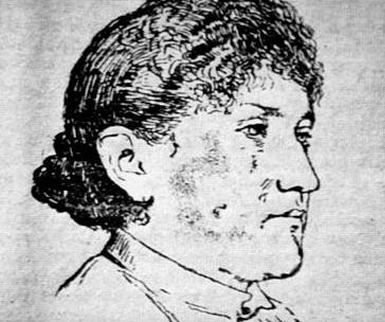
| Legal Identity | Higinia Balaguer Ostalé |
| Confirmed Victims | 1 |
| Attributed / Indicted Victims | 1 |
| Active Timeline | 1888 |
| Jurisdiction / Area of Operations | Madrid, Spain |
| Criminological Classification | Murder for robbery |
| Forensic Modus Operandi | Stabbing and subsequent arson |
| Weapon / Mechanism of Death | Bladed weapon |
| Motive / Behavioral Dynamics | Economic (robbery) |
| Judicial Outcome | Execution by garrote vil |
1. Background and Profile
The Fuencarral Street crime is considered the first major media-driven criminal case in Spanish history. Higinia Balaguer, a domestic servant, was accused of murdering her employer, Luciana Borcino. The case became a focal point for social unrest, highlighting tensions between the working class and the bourgeoisie.
2. Crime Spree
On July 1, 1888, Luciana Borcino was found dead in her apartment with multiple stab wounds. The perpetrator attempted to destroy evidence by setting the body and room on fire using petroleum. Higinia was found unconscious nearby, alongside a drugged bulldog, indicating premeditation.
3. Investigation and Arrest
The investigation was marred by allegations of corruption involving the director of the Model Prison, José Millán Astray, and the victim's son, José Vázquez Varela. Higinia's inconsistent testimonies fueled public speculation about a larger conspiracy.
4. Legal Proceedings and Outcome
The trial was a sensational event. Despite the efforts of prominent defense attorney Nicolás Salmerón, the court found Higinia guilty. The case remains a subject of historical debate regarding the potential involvement of unpunished accomplices.
5. Forensic Conclusion
Higinia Balaguer was executed by garrote vil on July 19, 1890. Her final words remain a historical mystery, suggesting that the truth behind the crime was never fully uncovered.