Forensic & Criminological Matrix
| Parameter | Forensic Detail |
|---|---|
| Forensic Heading / Aliases | The Crime of Calle de la Montera |
| Legal Identity | Clara Marina and Antonio Marina |
| Confirmed Victims | 2 |
| Attributed / Indicted Victims | 2 |
| Active Timeline | October 6, 1849 |
| Jurisdiction / Area of Operations | Madrid, Spain |
| Criminological Classification | Multiple Homicide / Murder |
| Forensic Modus Operandi | Strangulation and defenestration |
| Weapon / Mechanism of Death | Textile sash and physical force |
| Motive / Behavioral Dynamics | Robbery / Personal conflict |
| Judicial Outcome | Execution by garrote vil |
1. Background and Profile
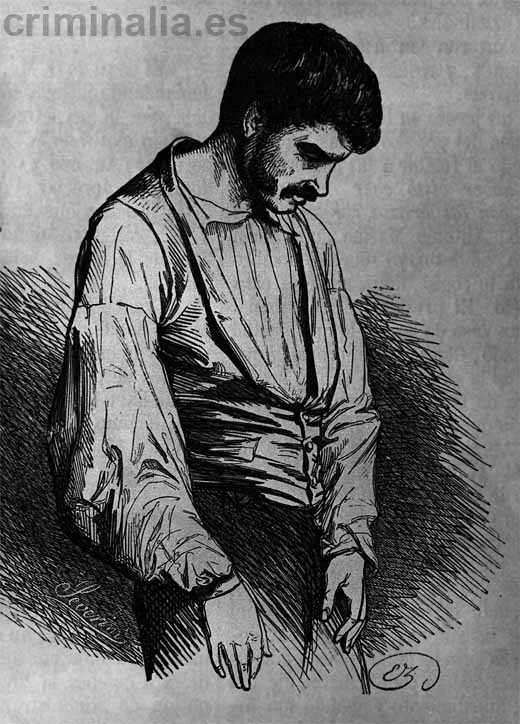
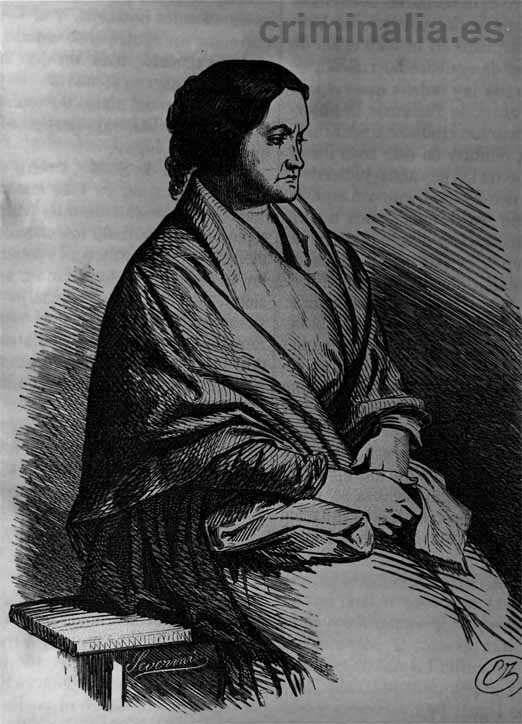
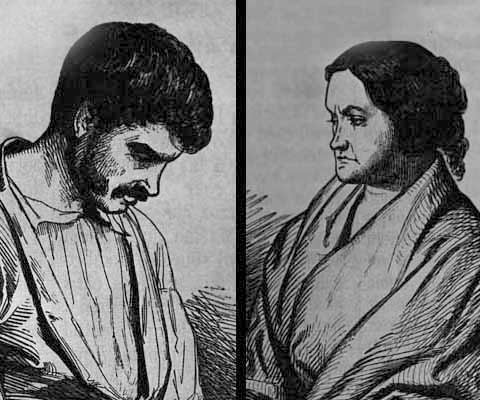
The 1849 Calle de la Montera case remains a landmark in Spanish legal history. Siblings Clara and Antonio Marina were accused of murdering tailor José Lafuente and an unidentified man, later identified as Felipe Ovejero ('Lucero'). The case was heavily influenced by public outcry and the lack of due process.
2. Crime Spree
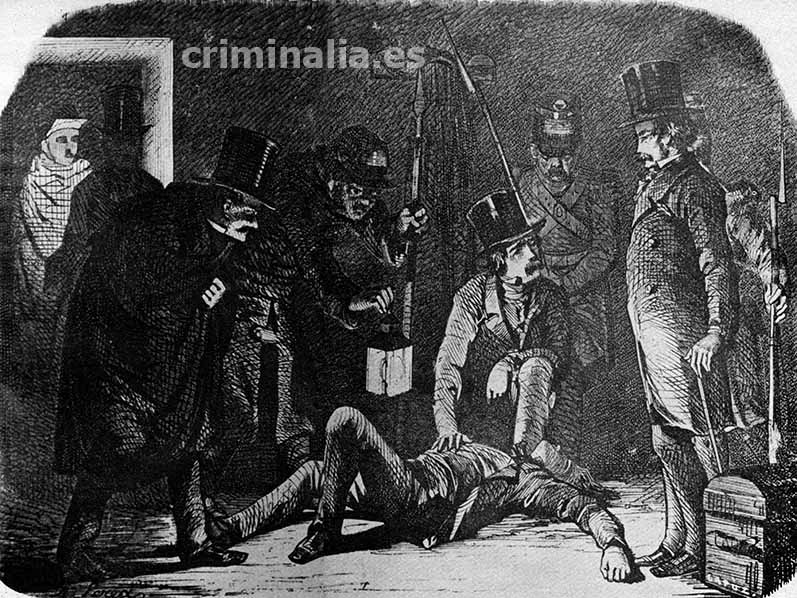
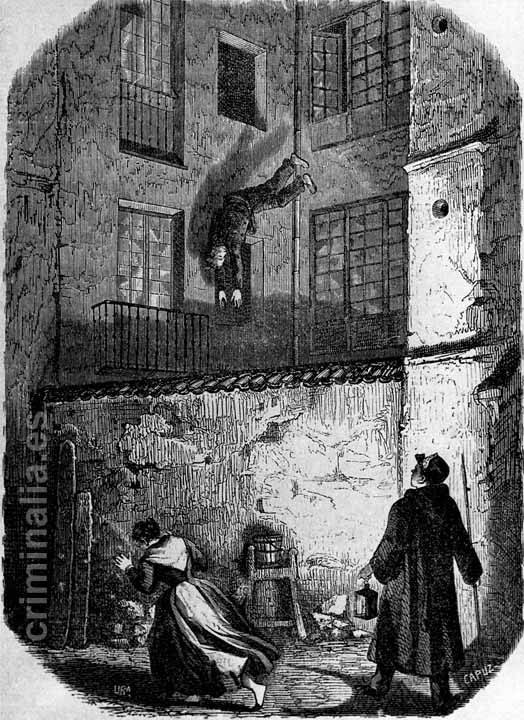
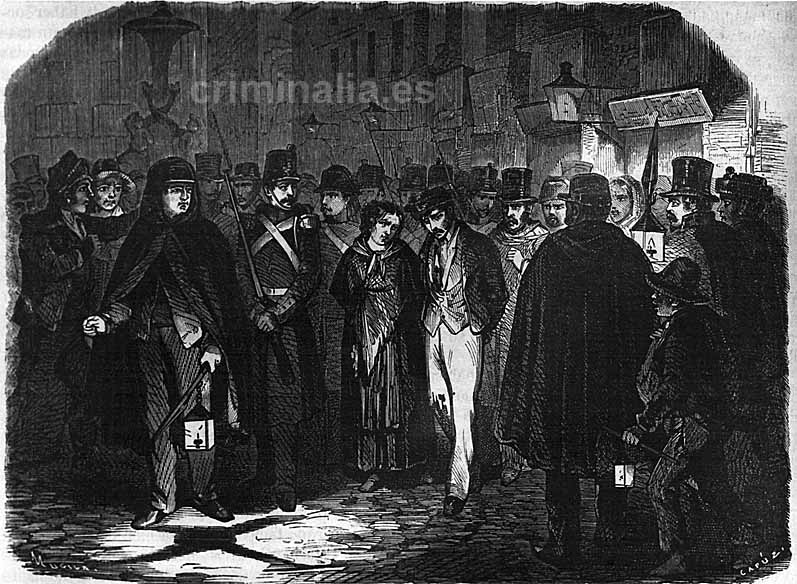
On the night of October 6, 1849, witnesses reported a body falling from a second-story window in Madrid. Authorities discovered the strangled body of José Lafuente inside the apartment. Clara and Antonio were found inside, stained with blood, and were immediately taken into custody.
3. Investigation and Arrest
Lacking modern forensic tools, the investigation relied on circumstantial evidence. Judge José Montemayor led the inquiry, which was characterized by a lack of physical proof and a reliance on the defendants' inconsistent statements under pressure.
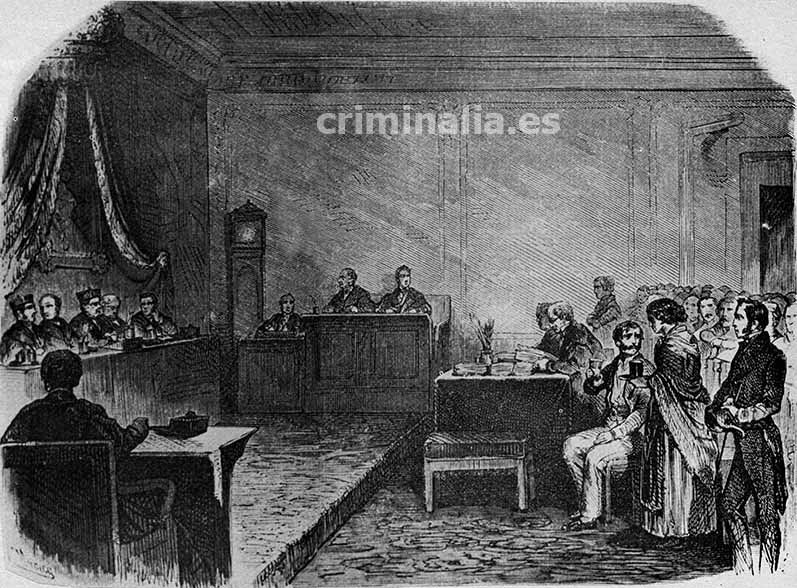
4. Legal Proceedings and Outcome
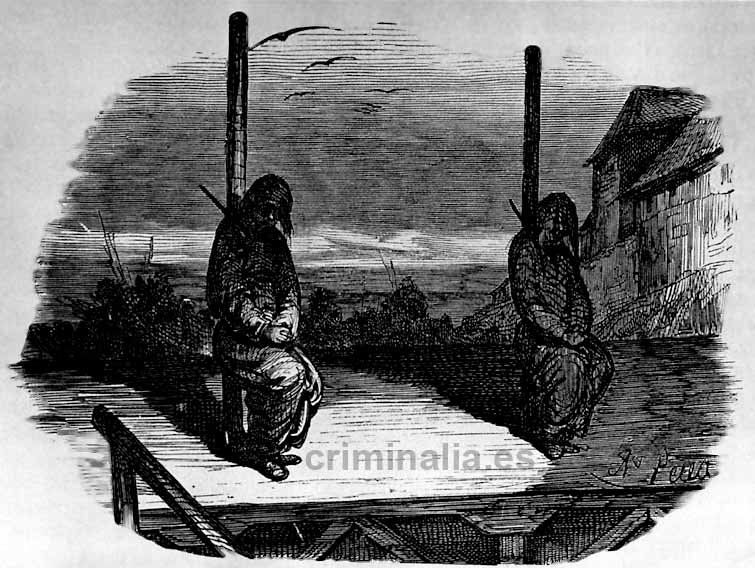
The trial was conducted with extreme haste. Despite defense attorney José María Navarro's arguments regarding the lack of concrete evidence, the court sentenced both siblings to death. They were executed by garrote vil on October 31, 1849, in a case that continues to be studied as a potential judicial error.