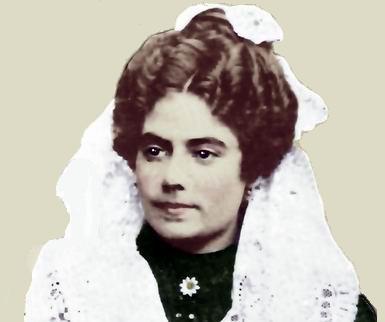
Forensic & Criminological Matrix
| Parameter | Forensic Detail |
|---|---|
| Forensic Heading / Aliases | The Don Benito Crime |
| Legal Identity | Carlos García de Paredes and Ramón Martín de Castejón |
| Confirmed Victims | 2 |
| Attributed / Indicted Victims | 2 |
| Active Timeline | June 19, 1902 |
| Jurisdiction / Area of Operations | Don Benito, Badajoz, Spain |
| Criminological Classification | Multiple Homicide / Sexual Violence |
| Forensic Modus Operandi | Deception, home invasion, and stabbing |
| Weapon / Mechanism of Death | Knife and blunt objects |
| Motive / Behavioral Dynamics | Sexual assault and spite |
| Judicial Outcome | Execution by garrote vil |
1. Background and Psychopathy
The Don Benito crime of 1902 remains a landmark case in Spanish forensic history. The perpetrators, Carlos García de Paredes and Ramón Martín de Castejón, were local elites who exploited their social standing. García de Paredes was notorious for his violent temper and predatory behavior toward women.
2. Crime Spree
On the night of June 19, 1902, the perpetrators, aided by night watchman Pedro Cidoncha, used a ruse to enter the home of Catalina Barragán. They murdered Catalina and her daughter, Inés María Calderón Barragán, who suffered 21 stab wounds while defending herself against sexual assault.
3. Investigation and Arrest
The initial investigation was flawed, leading to the wrongful detention of innocent individuals. Public outcry and the testimony of witness Tomás Benito Alonso Camacho eventually led to the identification of the true culprits.
4. Legal Proceedings and Outcome
Following the discovery of blood-stained clothing, the perpetrators were brought to trial. García de Paredes and Martín de Castejón were sentenced to death, while Cidoncha received a life sentence. The execution by garrote vil in 1905 was marked by technical failures, particularly in the case of Castejón, causing significant public controversy.



