Forensic & Criminological Matrix
| Parameter | Forensic Detail |
|---|---|
| Forensic Heading / Aliases | The Crime of Cuenca |
| Legal Identity | Tresjuncos Judicial Error Case |
| Confirmed Victims | 0 |
| Attributed / Indicted Victims | 1 (José María Grimaldos López) |
| Active Timeline | 1910-1926 |
| Jurisdiction / Area of Operations | Tresjuncos and Osa de la Vega, Cuenca |
| Criminological Classification | Miscarriage of Justice / Police Brutality |
| Forensic Modus Operandi | Systematic torture to extract false confessions |
| Weapon / Mechanism of Death | Physical and psychological coercion |
| Motive / Behavioral Dynamics | Family vendetta and judicial negligence |
| Judicial Outcome | Supreme Court annulment of sentence (1926) |
1. Background and Psychopathy
The "Crime of Cuenca" is a seminal case in Spanish legal history, illustrating the dangers of judicial and police corruption in isolated rural areas. The central figure, José María Grimaldos López, known as "El Cepa," was a young shepherd whose disappearance triggered a chain of events fueled by local rumors and systemic abuse.
2. Crime Spree
Following Grimaldos' disappearance in 1910, local suspicion fell upon León Sánchez and Gregorio Valero. Despite an initial dismissal of the case, it was reopened in 1913. The investigation was characterized by the complete absence of physical evidence and the reliance on coerced confessions.
3. Investigation and Arrest
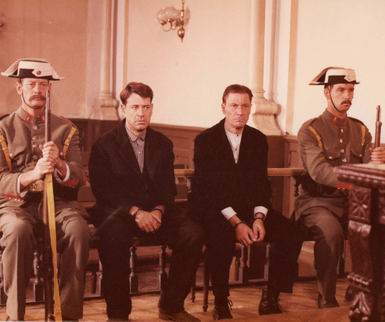
Under the supervision of Judge Emilio Isasa Echenique, the Civil Guard employed extreme torture to force Sánchez and Valero to confess to a murder that had not taken place. The suspects were forced to invent details about the disposal of a body that did not exist.
4. Legal Proceedings and Outcome
In 1918, the Provincial Court of Cuenca sentenced both men to 18 years in prison. They served over a decade before the "victim" reappeared in 1926, seeking his baptismal certificate to marry. The Supreme Court subsequently overturned the convictions, acknowledging the torture and the miscarriage of justice. The case remains a historical warning against the use of violence in police interrogations.



