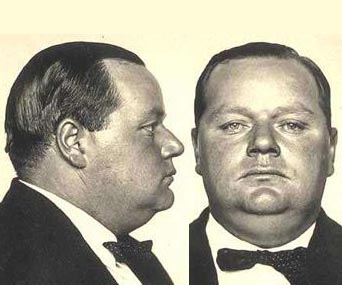




Forensic & Criminological Matrix
| Parameter | Forensic Detail |
|---|---|
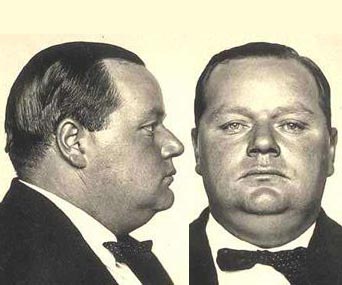
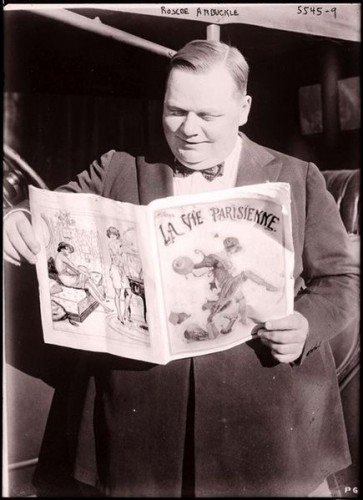
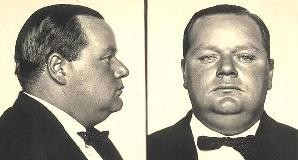
| Full Legal Name | Roscoe Conkling Arbuckle (known as Fatty Arbuckle) |
| Media Monikers | Fatty Arbuckle, The Hollywood Hotel Scandal |
| Nationality | American |
| Date of Birth | March 24, 1887, Smith Center, Kansas, United States |
| Date of Death | June 29, 1933 (aged 46, acute myocardial infarction in New York City) |
| Historical Penal Status | Fully acquitted of all involuntary manslaughter charges in April 1922; recipient of an unprecedented official written jury apology |
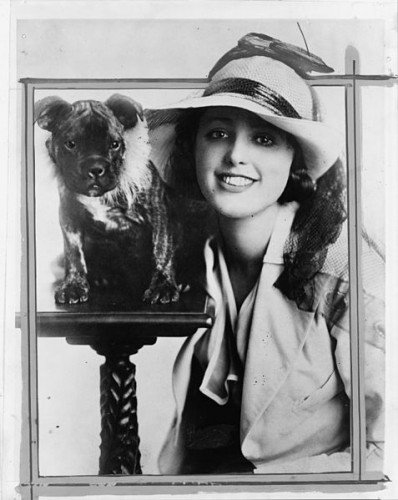
| Alleged Fatality | Virginia Rappe (26, silent screen actress and model; deceased September 9, 1921 from ruptured bladder and peritonitis) |
| Incident Date | September 5, 1921 (Labor Day) |
| Geographic Location | Suite 1221, St. Francis Hotel, Union Square, San Francisco, California |
| Forensic Pathological Cause of Death | Acute peritonitis secondary to spontaneous perforation of the urinary bladder caused by chronic pre-existing cystitis, compounded by illicit toxic alcohol ingestion |
| Criminological & Industry Legacy | Hollywood's foundational celebrity trial scandal; prompted the establishment of the Motion Picture Producers and Distributors of America (MPPDA) and the moral censorship regime known as the Hays Code |
| Judicial Assessment | Baseless prosecution driven by yellow journalism extortion, fabricated witness testimony (Maude Delmont), and moralistic hysteria |
1. Stardom and the St. Francis Holiday Gathering
By 1921, Roscoe "Fatty" Arbuckle stood as one of the preeminent figures of silent cinema comedy alongside Charlie Chaplin and Buster Keaton, having secured a landmark three-year, three-million-dollar contract with Paramount Pictures. Renowned for physical acrobatics defying his 260-pound frame, Arbuckle enjoyed universal acclaim.
Over Labor Day weekend in September 1921, Arbuckle drove to San Francisco to celebrate with friends, booking a luxury three-room suite at the St. Francis Hotel. On September 5, acquaintances congregated in Suite 1221 for an informal social gathering involving bootleg alcohol.
Among those present was 26-year-old actress Virginia Rappe, accompanied by Maude Delmont, a woman with documented police records for financial extortion and blackmail schemes.
2. The Suite 1221 Incident and Post-Mortem Findings
Midway through the afternoon, Rappe became severely ill in Arbuckle's suite. Arbuckle discovered her in the bathroom retching and suffering agonizing lower abdominal cramping:
- Arbuckle summoned hotel physicians and housekeeping personnel, who moved Rappe to another room and applied ice to relieve symptoms.
- Her condition deteriorated, leading to hospitalization at Wakefield Sanatorium on September 8. Rappe died the following day of generalized peritonitis.
- Delmont immediately filed police allegations, claiming Arbuckle had cornered Rappe in the bedroom, sexually assaulted her, and caused bladder rupture through crushing body weight.
3. Yellow Journalism and the Three Trials
Newspaper magnate William Randolph Hearst exploited the tragedy to boost national circulation, running sensationalized, fabricated accounts implying barbaric mutilation:
- Arbuckle was indicted for manslaughter amidst nationwide boycotts organized by temperance groups and religious organizations.
- Forensic Autopsy: The medical examiner's post-mortem documented that Rappe suffered from chronic severe cystitis that drastically thinned her bladder wall. The autopsy revealed no evidence of physical violence, genital bruising, or sexual assault.
- First Trial (November 1921): The jury hung 10 to 2 in favor of acquittal.
- Second Trial (January 1922): The jury again hung 9 to 3 for conviction, resulting in a mistrial.
- Third Trial (March–April 1922): Defense attorneys completely dismantled Delmont's credibility, proving she had planned to extort Arbuckle's studio. On April 12, 1922, the jury deliberated for just six minutes, returning a unanimous not-guilty verdict alongside a historic written apology:
"Acittal is not enough for Roscoe Arbuckle. We feel that a great injustice has been done him... There was not the slightest proof adduced to connect him in any way with the commission of a crime. He was manly throughout the case... We wish him success."
4. Career Destruction and the Hays Code
Despite total exoneration in court, the scandal decimated Arbuckle's career. Hollywood studios appointed Will H. Hays to oversee the new MPPDA censorship bureau, which banned Arbuckle's films from theaters nationwide.
Supported by lifelong friend Buster Keaton, Arbuckle worked behind the camera directing under the alias William Goodrich. In June 1933, Warner Bros. finally signed him to direct and star in a major feature film. Hours after telling friends "This is the best day of my life," Arbuckle suffered a fatal heart attack in his sleep at age 46.