Forensic & Criminological Matrix
| Parameter | Forensic Detail |
|---|---|
| Forensic Heading / Aliases | The Case of the Severed Hand |
| Legal Identity | Margarita Ruiz de Lihory y Resines |
| Confirmed Victims | 1 |
| Attributed / Indicted Victims | 1 |
| Active Timeline | 1954 |
| Jurisdiction / Area of Operations | Madrid and Albacete, Spain |
| Criminological Classification | Corpse desecration / Ritual necrophilia |
| Forensic Modus Operandi | Post-mortem mutilation using surgical instruments |
| Weapon / Mechanism of Death | Scalpel, scissors, and surgical forceps |
| Motive / Behavioral Dynamics | Relic collecting and death cultism |
| Judicial Outcome | Conviction for desecration of corpses and public health offenses |
1. Background and Profile
Margarita Ruiz de Lihory, the Marquesa de Villasante, was a prominent and highly eccentric figure in 20th-century Spain. A lawyer, journalist, and former spy, she was known for her intelligence and unconventional lifestyle. Her fascination with esotericism and the preservation of biological remains—often involving taxidermy—defined her later years.
2. Crime Spree
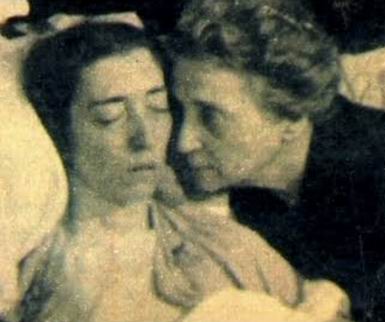
Following the natural death of her daughter, Margot Shelly, on January 19, 1954, the Marquesa and her partner, José María Bassols, performed a series of surgical mutilations on the corpse. They removed the daughter's right hand, eyes, and part of her tongue, storing them in alcohol-filled containers within their Madrid residence.
3. Investigation and Forensic Hunt
Luis Shelly, the victim's brother, alerted authorities to his mother's suspicious behavior. A police search of the Princesa Street residence revealed the severed hand in a plastic milk jug and other macabre specimens. Forensic exhumation confirmed the precise, professional nature of the cuts, which were performed post-mortem.
4. Legal Proceedings and Outcome
The case became a national sensation. The defendants were subjected to psychiatric evaluation and subsequently tried. In 1964, the Madrid Court found them guilty of desecrating a corpse and public health violations, resulting in custodial sentences and fines.
5. Psychiatric Assessment and Conclusion
Psychiatric reports concluded that the Marquesa suffered from a pathological obsession with relics rather than overt necrophilia. She died in 1968 in Albacete, having never fully explained the ritualistic nature of her actions.