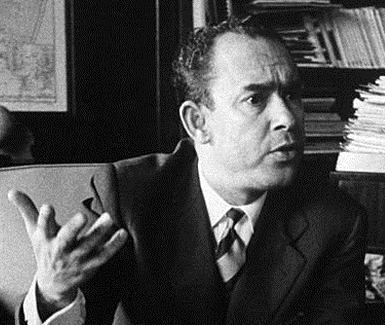
Forensic & Criminological Matrix
| Parameter | Forensic Detail |
|---|---|
| Forensic Heading / Aliases | The Ben Barka Affair |
| Legal Identity | Mehdi Ben Barka |
| Confirmed Victims | 0 (Unsolved case) |
| Attributed / Indicted Victims | 1 (Mehdi Ben Barka) |
| Active Timeline | October 29, 1965 |
| Jurisdiction / Area of Operations | Paris, France |
| Criminological Classification | Forced disappearance / State crime |
| Forensic Modus Operandi | Abduction by deception, torture, and disposal of remains |
| Weapon / Mechanism of Death | Torture, asphyxiation, alleged chemical dissolution |
| Motive / Behavioral Dynamics | Political elimination / State interest |
| Judicial Outcome | Unsolved / Partial convictions in absentia |
1. Background and Profile
Mehdi Ben Barka was a prominent Moroccan politician and a key figure in the opposition against King Hassan II. His influence in the Third World movement and his role in the Tricontinental Conference made him a target for the Moroccan regime and international intelligence agencies.
2. Crime Spree
On October 29, 1965, Ben Barka was abducted in Paris by French police officers posing as officials. He was taken to a villa in Fontenay-le-Vicomte, where he was tortured to death, allegedly in the presence of Moroccan Interior Minister Mohammed Oufkir.
3. Investigation and Forensic Hunt
The investigation was severely hampered by state secrets. Despite evidence linking the French SDECE and Moroccan secret services, the body was never recovered, leading to multiple theories regarding its disposal, including acid dissolution in Rabat.
4. Legal Proceedings and Outcome
Judicial proceedings in 1966 and 1967 led to some convictions, but the masterminds remained largely untouched. The case remains officially open, marked by decades of obstructionism and the suspicious deaths of key witnesses.
5. Psychiatric Assessment and Conclusion
The Ben Barka affair remains a landmark case of political impunity. The lack of physical evidence and the persistent refusal of state authorities to fully cooperate have prevented a definitive resolution, leaving it as a cold case of international significance.




