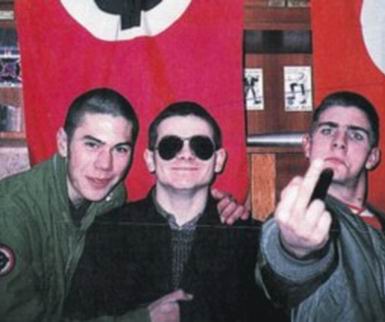
Forensic & Criminological Matrix
| Parameter | Forensic Detail |
|---|---|
| Forensic Heading / Aliases | The Murder of «Sonia» |
| Legal Identity | José Rescalvo Zafra |
| Confirmed Victims | 1 (Sonia) |
| Attributed / Indicted Victims | 3 (Sonia, Dori, Miguel Pérez Barreiros) |
| Active Timeline | October 6, 1991 |
| Jurisdiction / Area of Operations | Ciutadella Park, Barcelona, Spain |
| Criminological Classification | Hate Crime / Group Murder |
| Forensic Modus Operandi | 'Playing the drum': repeated kicks to the head with steel-toed boots |
| Weapon / Mechanism of Death | Aluminum-toed boots, broomsticks, metal rods |
| Motive / Behavioral Dynamics | Transphobia, homophobia, and neo-Nazi ideology |
| Judicial Outcome | Sentences ranging from 23 to 50 years for the six perpetrators |
1. Background and Profile
José Rescalvo Zafra, known as «Sonia», was a 45-year-old transgender woman originally from Cuenca. After leaving her family home at 16, she moved to Barcelona, where she performed at the Arnau Theater. Due to social marginalization, she eventually became homeless, frequently sleeping in Ciutadella Park.
2. Crime Spree
On the night of October 6, 1991, a group of seven neo-Nazi youths, after drinking in several bars in the Born district, entered Ciutadella Park. Finding Sonia and another transgender woman, Dori, sleeping in the Musicians' Gazebo, the group decided to perform a ritual they called 'playing the drum', which involved brutally kicking the victims' heads with steel-toed boots. After leaving Sonia dying, they continued their hunt, attacking a homeless man, Miguel Pérez Barreiros, causing him to lose an eye and part of an ear.
3. Investigation and Arrest
The investigation was led by the Mossos d’Esquadra. The breakthrough came when police intercepted a phone call in which Héctor López Frutos boasted about his involvement. Searches of the suspects' homes yielded neo-Nazi fanzines, brass knuckles, and Boixos Nois membership cards, linking them to far-right groups.
4. Legal Proceedings and Outcome
The seven suspects were arrested on March 11, 1992. The 1994 trial concluded that while they were not a formal organized gang, they acted with clear homicidal intent. The court sentenced six of the seven to a total of 310 years in prison, acknowledging the transphobic and homophobic nature of the attack.
5. Forensic Conclusion
This case was a turning point in Spanish jurisprudence regarding hate crimes. The verdict was pioneering in recognizing discriminatory motivation, eventually leading to the establishment of specialized hate crime prosecution units in Catalonia.