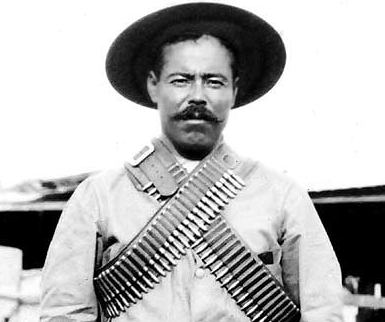
Forensic & Criminological Matrix
| Parameter | Forensic Detail |
|---|---|
| Forensic Heading / Aliases | The Centaur of the North |
| Legal Identity | José Doroteo Arango Arámbula |
| Confirmed Victims | 1 (Francisco Villa) |
| Attributed / Indicted Victims | 1 |
| Active Timeline | July 20, 1923 |
| Jurisdiction / Area of Operations | Hidalgo del Parral, Chihuahua |
| Criminological Classification | Political Assassination |
| Forensic Modus Operandi | Ambush with firearms |
| Weapon / Mechanism of Death | Rifles and handguns |
| Motive / Behavioral Dynamics | Political elimination and revenge |
| Judicial Outcome | Jesús Salas Barraza sentenced to 20 years, pardoned after 3 months |
1. Background and Profile
Pancho Villa, born José Doroteo Arango Arámbula, was a pivotal figure in the Mexican Revolution. Rising from a life of banditry to become the commander of the Division of the North, he was a polarizing figure known for his tactical genius and brutal methods. His life was marked by constant conflict with both domestic and international powers.
2. Crime Spree
On July 20, 1923, Villa was ambushed in Hidalgo del Parral. As his car turned onto Benito Juárez Street, gunmen fired from a nearby house, killing Villa and his secretary, Miguel Trillo. The subsequent decapitation of his corpse remains one of the most macabre details of the case.
3. Investigation and Arrest
The investigation was marred by political interference. Evidence suggests that high-ranking government officials, including Plutarco Elías Calles, orchestrated the hit. The local military garrison was conveniently absent, allowing the assassins to escape without pursuit.
4. Legal Proceedings and Outcome
Jesús Salas Barraza claimed sole responsibility for the assassination, citing personal vendettas. Despite a 20-year sentence, he was released after only three months due to a political pardon, confirming the state-sponsored nature of the crime.
5. Forensic Conclusion
The assassination of Pancho Villa stands as a classic example of a political execution disguised as a private act of vengeance. The subsequent desecration of his grave and the theft of his skull underscore the deep-seated animosity and the legendary status he held in Mexican history.