Forensic & Criminological Matrix
| Parameter | Forensic Detail |
|---|---|
| Forensic Heading / Aliases | The Benimussa Quadruple Murder |
| Legal Identity | Unidentified perpetrators |
| Confirmed Victims | 0 |
| Attributed / Indicted Victims | 4 |
| Active Timeline | August 23-24, 1989 |
| Jurisdiction / Area of Operations | Benimussa, Ibiza, Spain |
| Criminological Classification | Organized crime / Settling of scores |
| Forensic Modus Operandi | Torture and strangulation with wires |
| Weapon / Mechanism of Death | Cables, wires, and mechanical strangulation |
| Motive / Behavioral Dynamics | Drug trafficking / Medellín cartel revenge |
| Judicial Outcome | Unsolved case |
1. Background and Profile
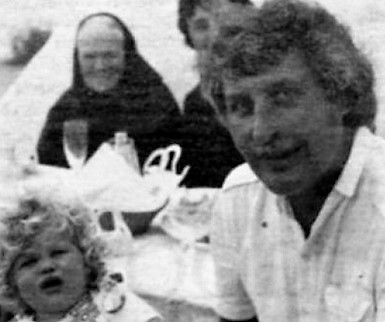
The Benimussa case is one of the most notorious cold cases in the Balearic Islands. Richard Schmitz, a 51-year-old German national, was allegedly involved in money laundering for the Medellín cartel, operating under Jorge Luis Ochoa. The family, including his partner Beate Josefine Werner (41) and their daughters Alexandra (6) and Bianca (4), lived at the Can Barda villa in Benimussa.
2. Crime Spree
Between the night of August 23 and 24, 1989, the family was subjected to extreme torture. The perpetrators, allegedly three individuals known by the monikers 'The Monster', 'The Lame', and 'The Boxer', strangled the victims using wires and cables. The children were executed in front of their parents to extract information. The bodies were buried under a concrete slab at an illegal construction site next to the house.
3. Investigation and Forensic Hunt
The discovery occurred on August 26 after a report by Beate Werner's employee. The Civil Guard, alerted by a strong stench and insects, found the remains under the concrete. Initial investigations focused on two Moroccan workers, who were later cleared. The crime was linked to the seizure of 650 kg of cocaine in Munich, allegedly caused by Schmitz's security failure.
4. Legal Proceedings and Outcome
The case remains unsolved. Despite investigations linking the crime to the Medellín cartel and potential involvement of other German nationals like Uwe K. in arms-related activities, no convictions have been secured. Case file 46/89 remains a symbol of impunity in drug-related homicides.
5. Psychiatric Assessment and Conclusion
The brutality of the method, the torture of minors, and the systematic concealment suggest a professional execution by hitmen linked to international organized crime. The case continues to be a subject of criminological study, connecting it to other homicides in the region, while remaining an open, unsolved file.




