Forensic & Criminological Matrix
| Parameter | Forensic Detail |
|---|---|
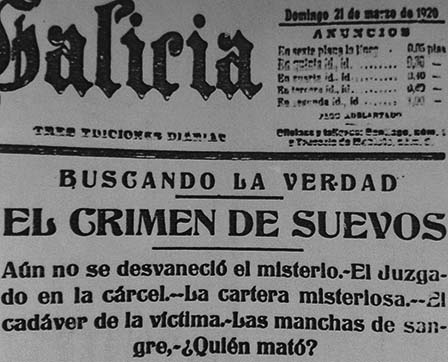
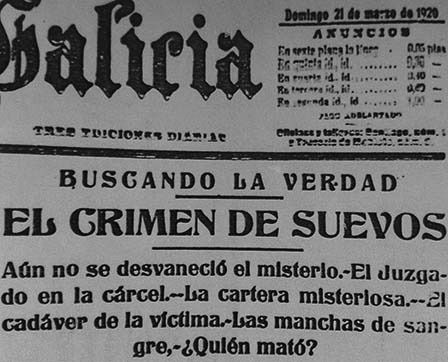
| Forensic Heading / Aliases | The Suevos Crime |
| Legal Identity | Bernardo del Río Buch and Manuel Folgar y Folgar |
| Confirmed Victims | 1 |
| Attributed / Indicted Victims | 1 |
| Active Timeline | March 18, 1920 |
| Jurisdiction / Area of Operations | Suevos, Arteixo, A Coruña, Spain |
| Criminological Classification | Parricide / Co-perpetrated Murder |
| Forensic Modus Operandi | Staged external robbery (alibi) and execution by stoning |
| Weapon / Mechanism of Death | Large stones |
| Motive / Behavioral Dynamics | Marital discord and victim control |
| Judicial Outcome | 14 years, 8 months, and 1 day of imprisonment |
1. Background and Psychopathy
The "Suevos Crime" involved Bernardo del Río Buch, a 38-year-old industrial engineer, and his servant, Manuel Folgar. Del Río, the son of a lieutenant colonel, married Carmen Fernández Martínez ("Rita") in 1915. The marriage was plagued by constant friction, with the husband alleging his wife suffered from mental instability, while others reported his own volatile behavior and infidelity. Folgar, described as a sullen and aggressive young man, was deeply embedded in the household's toxic dynamic.
2. Crime Spree
On the night of March 18, 1920, the couple and their servant were returning to their manor. The defendants initially claimed they were attacked by masked men. However, the autopsy revealed nine fatal head wounds caused by stones. The "masked men" alibi collapsed due to the lack of theft and the suspicious circumstances surrounding the husband's alleged restraint.
3. Investigation and Arrest
Judge Núñez de Cepeda led the investigation. Bloodstains on Folgar's clothing and the inconsistencies in the defendants' stories were critical. Under intense interrogation, Bernardo del Río eventually confessed that after a heated argument, Folgar struck the victim with a stone, and they subsequently staged the robbery to cover up the murder.
4. Legal Proceedings and Outcome
The trial began in 1921 but was suspended due to conflicting psychiatric reports regarding Del Río's alleged "latent epilepsy." A second trial in 1922 resulted in both men being sentenced to 14 years, 8 months, and 1 day in prison, a verdict that sparked public outrage for being perceived as overly lenient.