Forensic & Criminological Matrix
| Parameter | Forensic Detail |
|---|---|
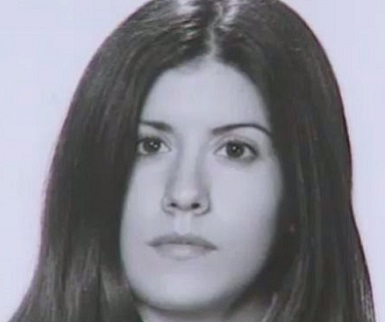
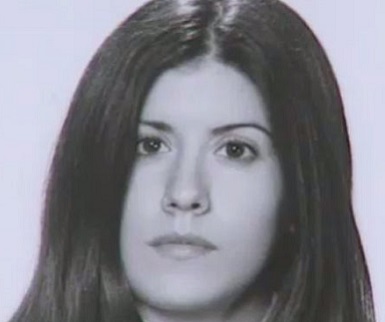
| Forensic Heading / Aliases | The Sheila Barrero Case |
| Legal Identity | Sheila Lorena Barrero Fernández |
| Confirmed Victims | 0 (Unsolved case) |
| Attributed / Indicted Victims | 1 |
| Active Timeline | January 25, 2004 |
| Jurisdiction / Area of Operations | La Collada, Asturias/León border |
| Criminological Classification | Unsolved Homicide |
| Forensic Modus Operandi | Contact gunshot wound to the nape |
| Weapon / Mechanism of Death | 6.35 mm caliber pistol |
| Motive / Behavioral Dynamics | Unknown |
| Judicial Outcome | Provisional dismissal due to lack of known perpetrator |
1. Background and Profile
Sheila Lorena Barrero Fernández was a 22-year-old tourism student from Degaña, Asturias. She worked at a travel agency in Gijón during the week and at a pub in Villablino, León, on weekends. She was well-regarded by her peers and family, making her sudden death a significant shock to the local community.
2. Crime Spree
On January 25, 2004, after finishing her shift at a pub in Villablino, Sheila drove home. She was intercepted at the La Collada mountain pass. Forensic evidence suggests she knew her attacker, as there were no signs of a struggle or evasive maneuvers. She was shot in the back of the head from the backseat of her own car. Her body was later discovered by her brother in a nearby recreational area.
3. Investigation and Arrest
The Civil Guard conducted an extensive investigation, interviewing over 600 individuals. Forensic evidence included a scarf found in the vehicle and gunshot residue detected on a former boyfriend, Borja V. G. Despite these leads, the lack of definitive DNA matches or conclusive ballistic evidence hindered the prosecution.
4. Legal Proceedings and Outcome
Borja V. G. was arrested six months post-crime but was released due to insufficient evidence. In 2007, the case was provisionally dismissed by the court in Cangas del Narcea. The Provincial Court of Oviedo upheld this decision in 2008, citing a lack of evidence to proceed to trial. The case remains officially unsolved, with the victim's family continuing to advocate for the use of modern forensic technology to identify the perpetrator.