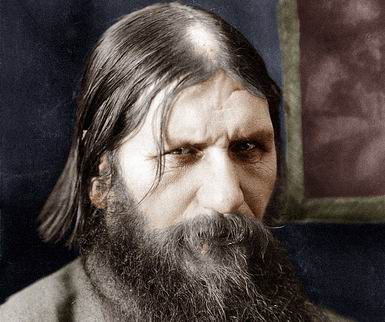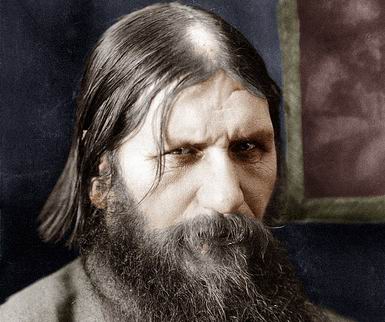
Forensic & Criminological Matrix
| Parameter | Forensic Detail |
|---|---|
| Forensic Heading / Aliases | The Mad Monk |
| Legal Identity | Grigori Yefímovich Rasputín |
| Confirmed Victims | 0 (Victim of homicide) |
| Attributed / Indicted Victims | 1 (Grigori Rasputin) |
| Active Timeline | December 17, 1916 |
| Jurisdiction / Area of Operations | Moika Palace, St. Petersburg, Russia |
| Criminological Classification | Political Assassination |
| Forensic Modus Operandi | Poisoning, firearm assault, and drowning |
| Weapon / Mechanism of Death | Cyanide, Browning pistol, submersion |
| Motive / Behavioral Dynamics | Removal of political influence on the Tsar's court |
| Judicial Outcome | Unsolved / No formal convictions |
1. Background and Profile
Grigori Rasputin was a Siberian mystic whose proximity to the Romanov family, particularly the Tsarina Alexandra, caused significant political friction. His alleged influence over the Tsar's decisions and his controversial lifestyle made him a target for the Russian aristocracy.
2. Crime Spree
On the night of December 16-17, 1916, a group led by Prince Felix Yusupov executed a complex assassination plan. After failing to kill Rasputin with cyanide-laced food, the conspirators resorted to firearms. Rasputin was shot, but survived long enough to attempt an escape, leading to his final execution and disposal in the Neva River.
3. Investigation and Forensic Hunt
Forensic evidence from the autopsy confirmed that Rasputin died by drowning, proving that he was still alive when he was thrown into the icy waters of the Neva River.
4. Legal Proceedings and Outcome
Due to the high social standing of the conspirators, no formal judicial process resulted in a conviction. The political upheaval of the Russian Revolution shortly thereafter rendered the case legally dormant.
5. Psychiatric Assessment and Conclusion
Rasputin's death remains a pivotal moment in Russian history, symbolizing the decay of the Tsarist regime and the intense social pressures of the era.