Forensic & Criminological Matrix
| Parameter | Forensic Detail |
|---|---|
| Forensic Heading / Aliases | Nicasio Pérez Moreno Case |
| Legal Identity | Nicasio Pérez Moreno |
| Confirmed Victims | 1 |
| Attributed / Indicted Victims | 1 |
| Active Timeline | July 15, 1921 |
| Jurisdiction / Area of Operations | Ferrol, A Coruña, Spain |
| Criminological Classification | Labor-related assassination |
| Forensic Modus Operandi | Ambush with firearms |
| Weapon / Mechanism of Death | Multiple gunshot wounds (4) |
| Motive / Behavioral Dynamics | Labor strike and lockout conflict |
| Judicial Outcome | Life imprisonment for two perpetrators; 1934 amnesty |
1. Background and Profile
Nicasio Pérez Moreno was a prominent figure in the Ferrol bourgeoisie in the early 20th century. As a shipping agent, contractor, and owner of the 'El Noroeste' automobile company, he chaired the employers' association during a period of extreme social tension. The conflict stemmed from port workers' refusal to work overtime without additional pay, leading to a lockout and direct threats against Pérez Moreno.
2. Crime Spree
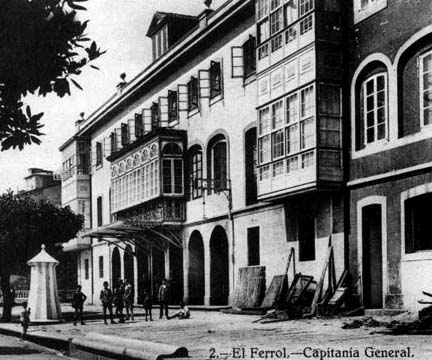
On July 15, 1921, after attending the Jofre Theater, the victim was intercepted in front of the Captaincy General palace. Six individuals surrounded him and fired multiple shots. Pérez Moreno sustained four bullet wounds: to the right leg, chest, thigh, and back. Despite being rushed to the Red Cross station, he died shortly after midnight due to the severity of his injuries.
3. Investigation and Arrest
The police, who had already assigned an escort (Gregorio Beato) due to the threats, were unable to prevent the attack. The investigation focused on the labor union environment. Searches and arrests were conducted, including the discovery of ammunition buried on the property of one of the suspects. The widow, Antonia Rodríguez, identified two of the attackers during the judicial proceedings.
4. Legal Proceedings and Outcome
The trial began in December 1924 at the A Coruña Court. The defendants were Celestino Cordero, Nicasio López Fidalgo, and Antonio Oroso Fraguela. The private prosecution requested the death penalty, while the defense argued for the lack of conclusive evidence and the context of social misery. Ultimately, Cordero and López Fidalgo were sentenced to life imprisonment.
5. Forensic Conclusion
The convicted men served less than six years in prison, being released following the amnesty decreed by the Second Republic in 1934. The case remains a landmark of political and social violence in 1920s Spain.