Forensic & Criminological Matrix
| Parameter | Forensic Detail |
|---|---|
| Forensic Heading / Aliases | null |
| Legal Identity | Juan Prim y Prats |
| Confirmed Victims | 0 (unconvicted) |
| Attributed / Indicted Victims | 1 (Juan Prim y Prats) |
| Active Timeline | December 27, 1870 |
| Jurisdiction / Area of Operations | Madrid, Spain |
| Criminological Classification | Regicide / Political Conspiracy |
| Forensic Modus Operandi | Ambush with blunderbusses and potential strangulation |
| Weapon / Mechanism of Death | Blunderbusses, bladed weapon, and ligature |
| Motive / Behavioral Dynamics | Political power and elimination of rivals |
| Judicial Outcome | Unsolved / No perpetrator convicted |
1. Background and Profile
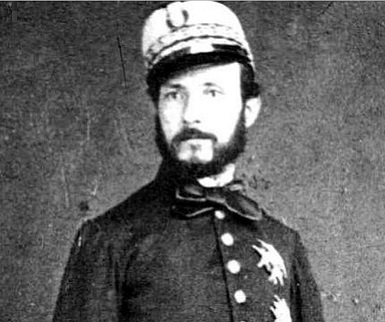
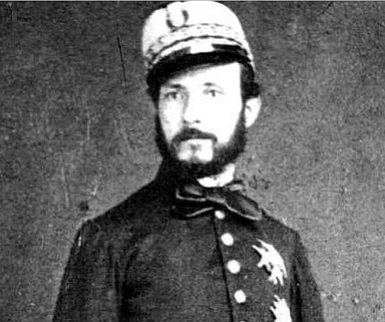
Juan Prim y Prats was a pivotal figure in 19th-century Spanish history. As a decorated general and Prime Minister, he orchestrated the revolution that deposed Queen Isabel II and championed the candidacy of Amadeo of Savoy. His political influence and Masonic affiliations made him a target for various factions.
2. Crime Spree
On December 27, 1870, Prim was ambushed in Madrid's Calle del Turco. Multiple gunmen surrounded his carriage and fired at close range. While official records claimed he died of infection three days later, modern forensic studies suggest he was finished off by strangulation and stabbing while incapacitated in his home.
3. Investigation and Forensic Hunt
The original judicial file (Sumario 306/1870) was heavily tampered with over the decades. Modern forensic analysis of his mummified remains has uncovered evidence of strangulation and stab wounds, contradicting the 1870 official report and pointing toward a high-level conspiracy involving powerful political figures.
4. Legal Proceedings and Outcome
No judicial resolution was ever reached. The case was effectively closed without convictions, and the original evidence was systematically destroyed or lost. The assassination remains a cold case, subject to ongoing historical and forensic debate.
5. Forensic Conclusion
The case remains a landmark in Spanish criminology, highlighting the intersection of political corruption and the limitations of 19th-century forensic science, which continues to be debated by modern experts.