







Forensic & Criminological Matrix
| Parameter | Forensic Detail |
|---|---|
| Forensic Heading / Aliases | The Murder of "El Federal" / The Mariñamansa Case |
| Legal Identity | Antonio Fernández Vila (alias Marracú) & Antonio Expósito (alias El Gallego) |
| Confirmed Victims | 1 (José Delgado Guzmán) |
| Active Timeline | January 1919 |
| Jurisdiction / Area of Operations | Ourense, Spain |
| Criminological Classification | Instrumental Homicide (Larceny-based) |
| Forensic Modus Operandi | Social engineering (scam), interstate luring, and blunt force trauma |
| Weapon / Mechanism of Death | Hammer / Cranioencephalic trauma |
| Motive / Behavioral Dynamics | Financial gain (Theft of 50,000 pesetas) |
| Judicial Outcome | Case closed due to the death of the primary suspect (1924) |
1. Background and Psychopathy
José Delgado Guzmán, known as "El Federal," was a 68-year-old prominent merchant from Madrid's Rastro market. In 1919, he became the target of Antonio Fernández Vila (alias "Marracú"), a career criminal with a history of violent threats. Marracú identified Delgado as a high-value target after the merchant sold his shops for a significant cash sum. The perpetrators displayed high levels of planning and predatory behavior, designing a complex ruse to isolate the victim from his support network in the capital.
2. Crime Spree
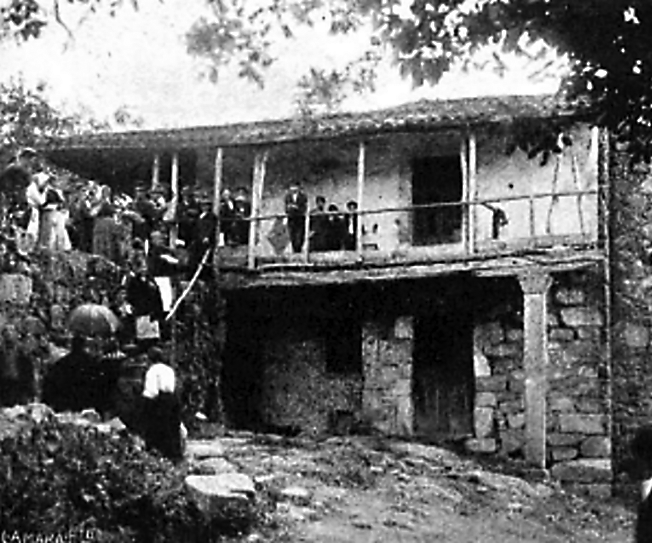
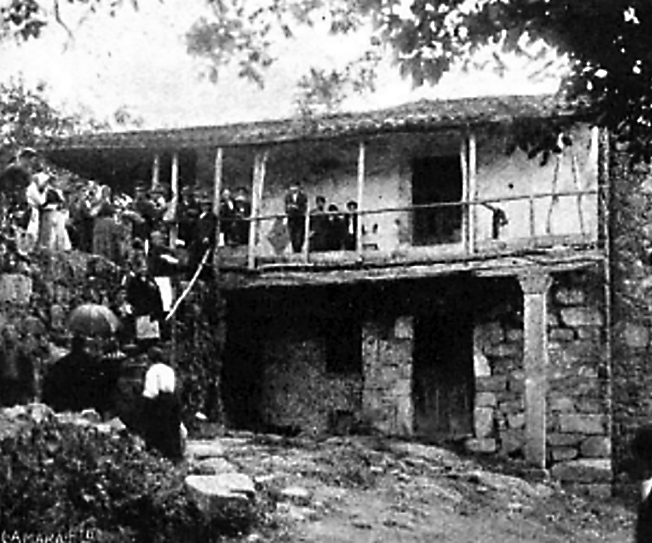
The crime was a single, meticulously planned execution. Under the guise of a business opportunity involving industrial machinery in Padrón, the victim was lured onto a train and eventually taken to a secluded farmhouse in Mariñamansa, Ourense. Forensic reconstruction indicates that between January 21 and 22, 1919, Delgado was struck in the parietal region with a hammer, causing immediate death. The perpetrators stole 50,000 pesetas and concealed the body in a disused water mine, demonstrating a sophisticated understanding of forensic disposal to delay discovery.
3. Police Investigation
The investigation was initially hampered by the victim's habit of traveling for weeks without notice. However, by February 1919, the family's persistence led to a national search. Despite early suspicions pointing toward Ourense, Marracú successfully deceived investigators during a routine check. His ability to maintain a facade of innocence allowed him to liquidate his assets and flee to Cuba with his entire family in March 1919, effectively stalling the case for years.
4. Arrest and Judicial Process
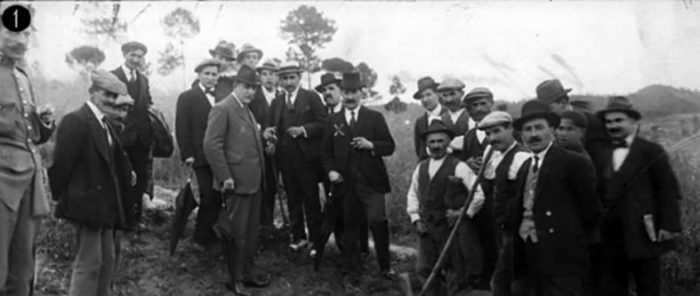
The breakthrough occurred in 1924 following a separate homicide in La Roda. A suspect named Nicolás Rodríguez confessed to the 1919 murder as part of a plea or retaliatory statement against his former associate, "El Gallego." This led Judge Marquina to the exact location of the body. The remains were identified through dental records and a distinctive scar on the back. Marracú was eventually apprehended, but the legal proceedings were cut short by his failing health.
5. Outcome and Criminological Legacy
Marracú died of tuberculosis on December 6, 1924, while in custody. His death resulted in the extinction of criminal responsibility. The case is studied in Spanish criminology as a prime example of the "confidence trick" evolving into a violent capital crime, highlighting the vulnerabilities of merchants in the early 20th century and the challenges of interstate criminal pursuit before modern forensic databases.