



Forensic & Criminological Matrix
| Parameter | Forensic Detail |
|---|---|
| Forensic Heading | The Assassination of William Justus Goebel / The Kentucky Capitol Murder |
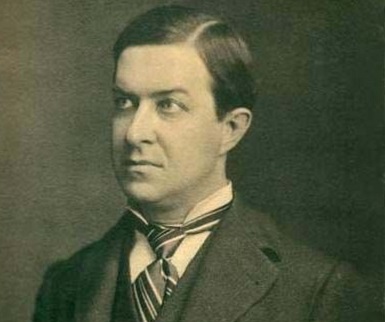
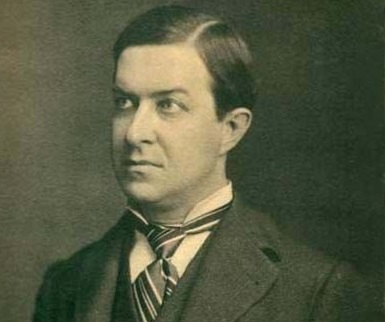
| Victim | William Justus Goebel (44 years old, Governor of the Commonwealth of Kentucky) |
| Conspiracy Defendants | Indicted: Kentucky Secretary of State Caleb Powers, clerk Henry Youtsey, and shooter James Howard (pardoned in 1908) |
| Date & Time of Incident | January 30, 1900, at 11:15 AM; died February 3, 1900 |
| Crime Scene | Front plaza of the Old State Capitol, Frankfort, Kentucky, United States |
| Forensic Ballistics | High-powered rifle (.38-55 Winchester or .30-30); sniper bullet discharged from a first-floor window ~60 meters away |
| Cause of Death | Traumatic hemopneumothorax from penetrating gunshot wound through right chest and lung followed by terminal sepsis |
| Historic Landmark | Only sitting state governor in United States history assassinated while in office |
| Legal Outcome | Protracted judicial trials with multiple appellate reversals ending in gubernatorial pardons in 1908 |
1. The Disputed Kentucky Gubernatorial Election of 1899
At the close of the 19th century, Kentucky hovered on the brink of regional civil conflict. In the November 1899 gubernatorial race, Republican William S. Taylor was officially certified as the winner by an extraordinarily narrow margin of 2,383 votes over Democratic state senator William Justus Goebel, an aggressive populist reformer and author of the controversial Goebel Election Law granting the legislature final review of contested ballots.
Goebel formally petitioned the General Assembly, alleging ballot stuffing, unlawful disenfranchisement of African American voters, and armed intimidation in eastern Appalachian coal counties. Over a thousand armed Republican partisans carrying Winchester carbines converged on Frankfort, creating an explosive standoff outside the state legislative buildings.
2. The Capitol Grounds Sniper Ambush
At 11:15 AM on Tuesday, January 30, 1900, Goebel walked across the frozen State Capitol lawn toward the morning committee hearing flanked by two political aides, Jack Chinn and Eph Lillard:
- As they crossed the sidewalk approximately sixty yards from the entrance, five to six rifle reports cracked through the winter air.
- One high-velocity bullet struck Goebel in the chest just beneath his right nipple, punctured his right lung, and passed out his back near the spine.
- Goebel slumped forward groaning, «I guess they've got me!». His companions dragged him to shelter as additional bullets chipped the brick walkway. Forensic vectors proved the rifle fire originated from a first-floor window of the State Executive Building, directly adjacent to the private office of Republican Secretary of State Caleb Powers.
3. Deathbed Inauguration and Demise
Goebel was transported to the nearby Capital Hotel:
- As physicians struggled to stem severe internal thoracic hemorrhaging, Governor Taylor declared a state of insurrection and deployed the Kentucky state militia to bar Democratic lawmakers from entering the Capitol.
- On January 31, 1900, Democratic legislators convened secretly in the hotel and formally declared Goebel the legally elected Governor of Kentucky.
- At 20:00 that evening, lying on his deathbed in room 17, Goebel was administered the official oath of office. His first executive directive commanded the dismissal of Taylor's militia units.
- After four days of respiratory collapse and mounting sepsis, Governor William Goebel died at 18:45 on February 3, 1900, at age 44. His reported dying words were: «Tell my friends to be brave, fearless, and loyal to the common people».
4. Conspiracy Prosecutions and Executive Pardons
The assassination initiated the most celebrated political trials in Kentucky legal history:
- Indictments were returned against sixteen men connected to the Republican administration.
- Caleb Powers, Secretary of State, was accused of orchestrating the sniper's access to his office. He underwent four separate trials over eight years amidst extreme jury bias, being convicted three times before appellate courts overturned each verdict; he was ultimately granted an unconditional pardon by Governor Augustus Willson in 1908.
- Henry Youtsey, an executive clerk who had possession of the office key and procured ammunition, was sentenced to life imprisonment.
- James B. Howard, a Clay County mountaineer accused of pulling the trigger, was convicted and sentenced to life, but likewise received an executive pardon in 1908.
The definitive identity of the marksman who fired the fatal bullet remains one of American political history's enduring unsolved controversies.