



Forensic & Criminological Matrix
| Parameter | Forensic Detail |
|---|---|
| Forensic Heading / Aliases | The Murder of Verónica Carlier Corell / "The Belgian Consul's Daughter" |
| Legal Identity | Verónica Carlier Corell |
| Confirmed Victims | 0 |
| Attributed / Indicted Victims | 1 |
| Active Timeline | 1977 |
| Jurisdiction / Area of Operations | Godella, Valencia, Spain |
| Criminological Classification | Kidnapping, sexual assault, and child homicide |
| Forensic Modus Operandi | Opportunistic abduction, sexual assault, and burial alive in a rural area |
| Weapon / Mechanism of Death | Physical force, head trauma, burial alive |
| Motive / Behavioral Dynamics | Sexual sadism / Unknown |
| Judicial Outcome | Case closed without identified perpetrator after the release of the sole suspect |
1. Background and Psychopathy
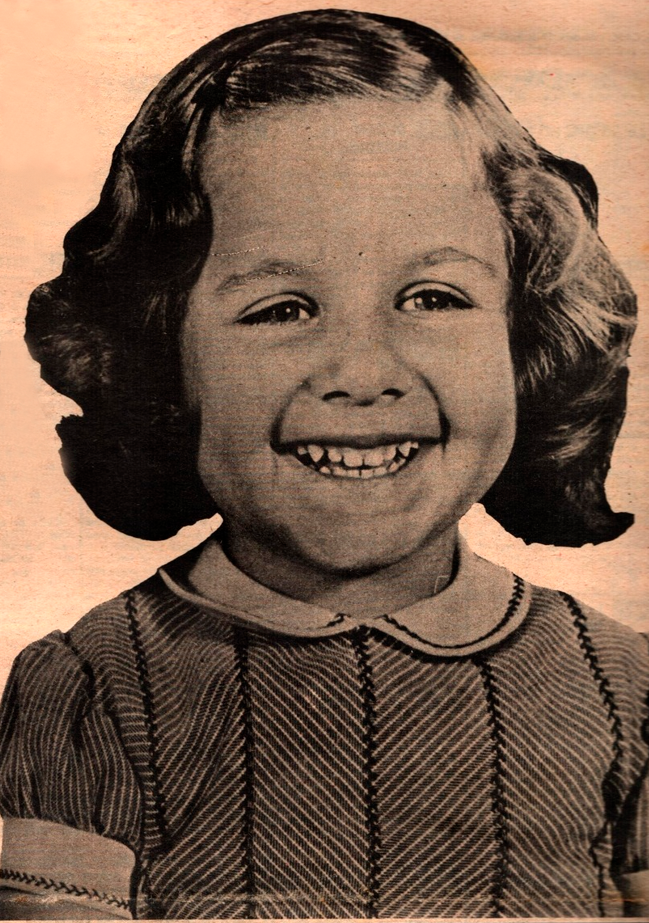
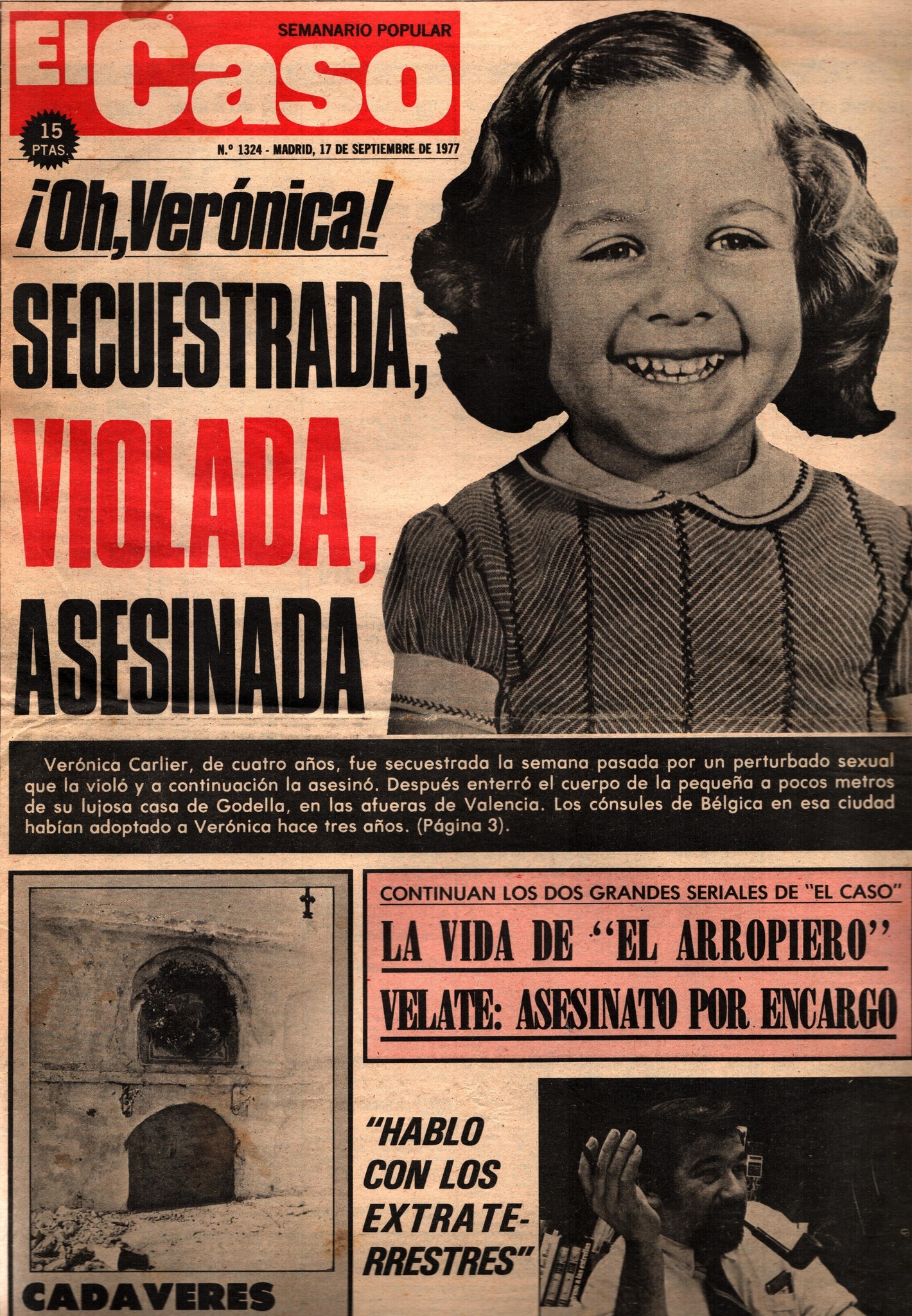
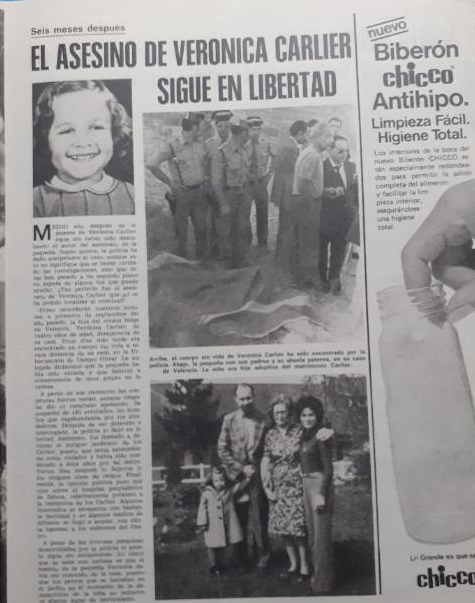
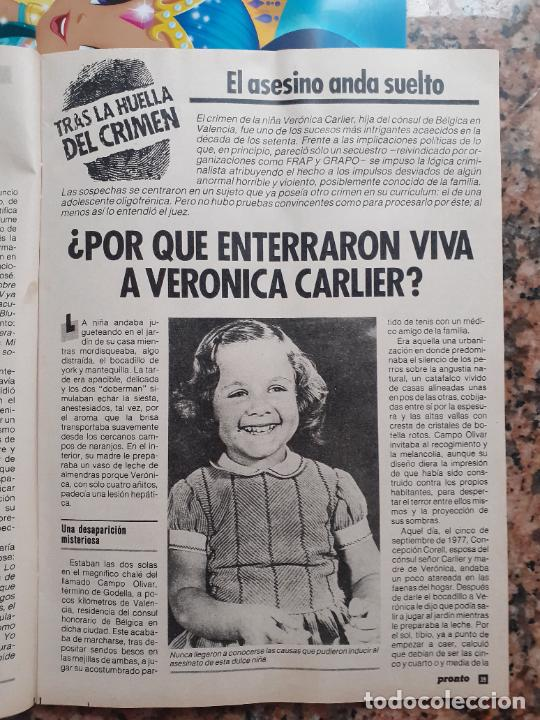
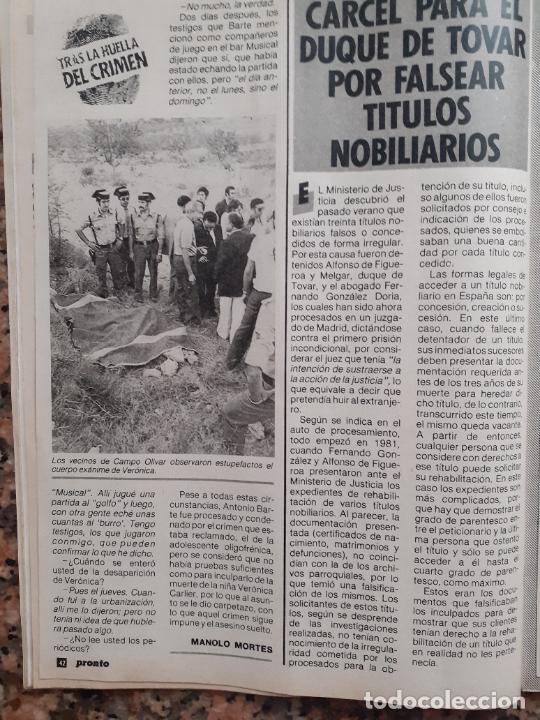
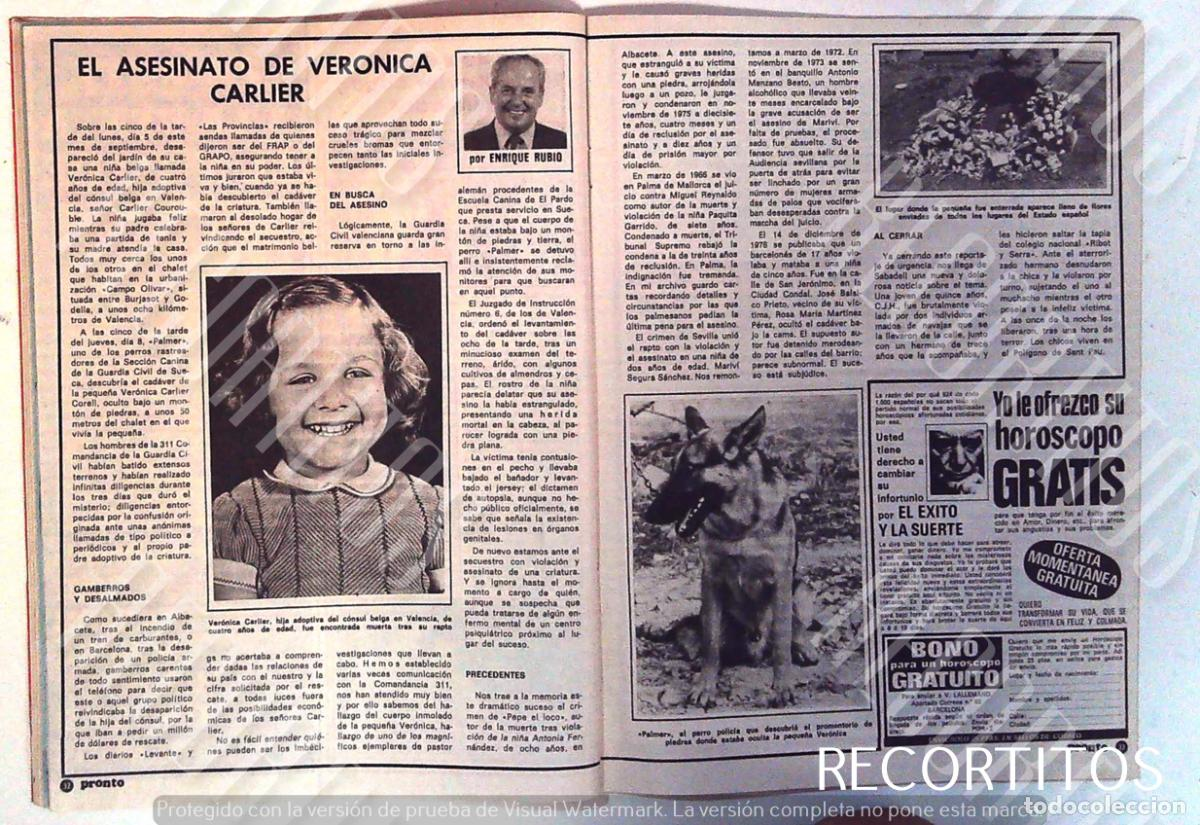
Verónica Carlier Corell, 4, was the adopted daughter of the Belgian consul in Valencia, Pier Jean Carlier. On September 5, 1977, she disappeared from her home garden in the Campo Olivar urbanization, Godella, while her mother was briefly inside the house. The incident caused significant diplomatic concern, with the Belgian ambassador traveling to Valencia to support the family. The crime occurred during Spain's transition to democracy, a period of social upheaval that was deeply shaken by this brutal event.
2. Crime Spree
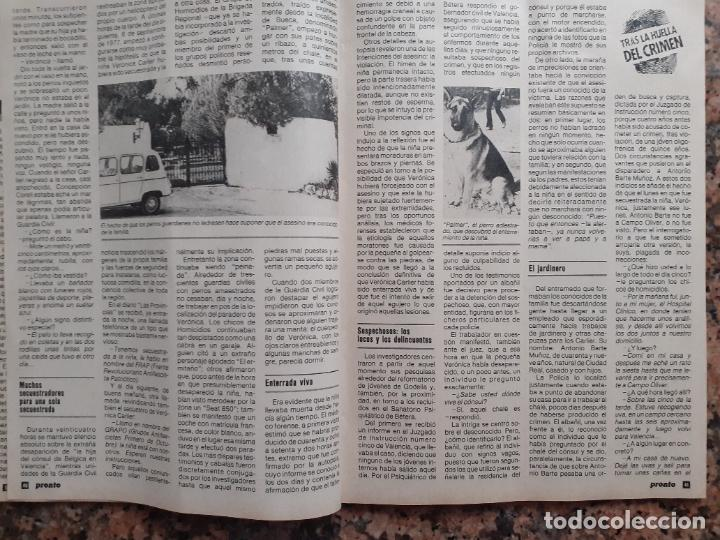
The child was abducted without alerting the home's two Doberman guard dogs, suggesting she knew her attacker. On September 8, 70 hours after her disappearance, her body was found 80 meters from the house by a police dog named 'Palmer', who sat on the stones and brush concealing the body. The victim was wearing her original clothing: a blue sweater, white bikini, and rubber sandals. The bikini bottom was lowered to her knees. An autopsy performed on September 9 confirmed she had been sexually assaulted and struck on the head, remaining unconscious before being buried alive in a marshy area between vineyards and almond fields. Forensic analysis noted that the stones covering the body were expertly laid, suggesting the perpetrator had masonry skills.
3. Police Investigation and Forensic Hunt
The investigation was hampered by conflicting leads. Claims of responsibility by terrorist groups (FRAP and GRAPO) were officially denied. Theories involving patients from the Bétera psychiatric facility or the Godella Reformatory were also ruled out. A massive search involving over 200 Civil Guard officers, helicopters, and tracking dogs covered a ten-kilometer radius. Authorities investigated a Simca 1200 with French license plates spotted near the scene. The family's gardener was also interrogated but was cleared of any involvement due to a lack of evidence.
4. Judicial Outcome
Salvador Carbonell Roca, known as 'El Ermitaño', a 53-year-old mason and resident of the Campo-Olivar urbanization, was arrested on September 16, 1977. Civil Guard investigators found his tools near the crime scene. Carbonell, who had built his own villa, knew the victim and had a prior record for child abuse. Despite these circumstantial links, the judge released him due to a lack of conclusive evidence. The case remains unsolved and is now legally time-barred.
5. Psychiatric Evaluation and Conclusion
The nature of the crime, involving sexual assault and burial alive, suggests a perpetrator with sadistic or psychopathological traits. The lack of a conviction prevents a formal clinical classification, leaving the murder of the child as one of the most notorious unsolved cases in 1970s Valencia. The perpetrator escaped justice, and the case has long since expired under the statute of limitations.